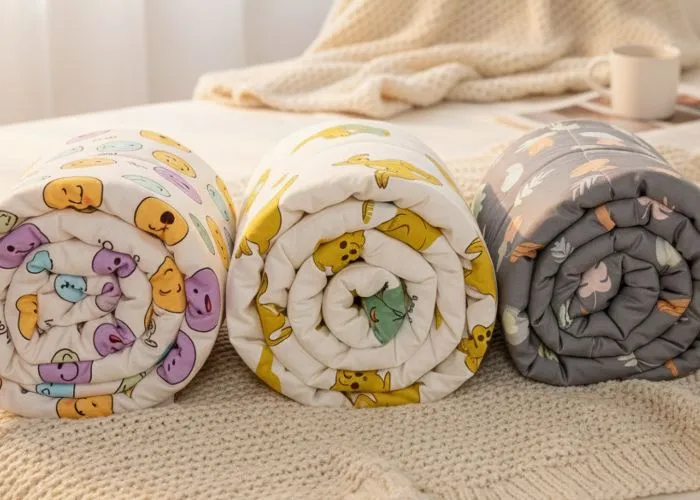

Parents researching sensory tools for autistic children often come across strong claims about weighted blankets that they cure anxiety, fix sleep problems overnight, or work for every child. The reality, according to occupational therapists and published research, is more nuanced. This guide summarizes what professionals in the field actually say about deep pressure therapy, where the evidence is strong, and where it remains limited.
Understanding Deep Pressure Stimulation
What Is Deep Pressure Stimulation?
Deep pressure stimulation (DPS) is a sensory technique that applies firm, even pressure across the body, similar to the sensation of a firm hug or swaddle. Occupational therapists use this technique because it is thought to help regulate the autonomic nervous system and increase the production of calming hormones. The concept draws on decades of sensory integration work, including research by autism advocate Temple Grandin, who developed a "squeeze machine" based on studying the differences between light and deep touch.
Why Occupational Therapists Use It
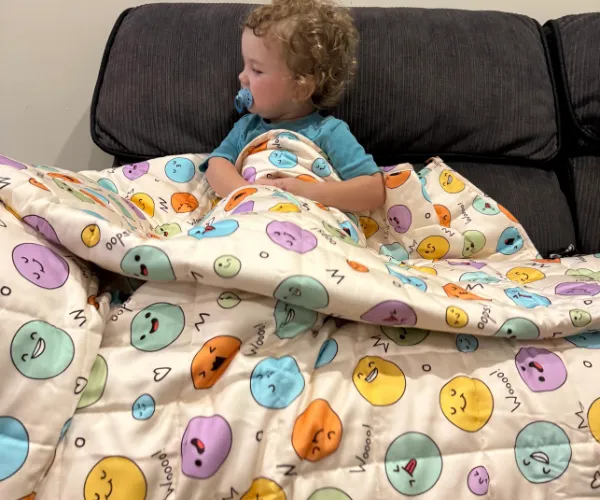
Weighted blankets are one of several tools used within sensory integration therapy, a form of occupational therapy that helps autistic individuals and others with sensory processing differences engage with sensory input in a more regulated way. Therapists frequently turn to weighted blankets specifically for children who have difficulty processing sensory information, a trait commonly associated with autism, using the pressure to help their nervous systems adapt over time. Families exploring this option often start by browsing a properly weighted, sensory-friendly autism weighted blanket range before introducing one into a child's routine.
What the Research Actually Shows
Evidence Supporting Calming Effects
Some of the earliest formal research into weighted blankets focused on anxiety reduction in adults. A 2008 study published in Occupational Therapy in Mental Health found that use of a 30-lb weighted blanket led participants to report lower anxiety, along with measurable improvements in physiological markers like blood pressure and pulse rate. This early study helped establish the theoretical basis many therapists still reference today.
Mixed Findings on Sleep Quality
When it comes to sleep specifically, the picture is less clear-cut. A 2021 single-subject study published in the Open Journal of Occupational Therapy followed two four-year-old children with autism and sleep disturbances through a baseline period, a weighted blanket intervention, and a withdrawal phase. The results suggested only minimal changes to overall sleep patterns, though one participant did fall asleep significantly faster, and caregivers reported improved morning mood after nights using the blanket. The researchers concluded that the growing body of evidence indicates weighted blankets may not strongly influence sleep quality for every child with ASD and sensory processing difficulties and called for further studies with larger participant numbers.
A Cautious, Individualized Approach
Perhaps most tellingly, professional sensory integration bodies don't present weighted blankets as a guaranteed fix. One clinical resource notes that the use of weighted blankets remains a genuinely debated topic within Ayres' Sensory Integration practice and occupational therapy more broadly, and that responses to their use are highly individual, requiring careful assessment of each child's needs. The same source points therapists toward a small but specific body of research, including a 2017 study on weighted blankets for children with ASD, sensory overresponsivity, and sleep disturbance, and a 2020 systematic review of weighted blanket use published in the American Journal of Occupational Therapy. That systematic review itself notes that while sensory integration tools like weighted blankets are used in practice to support emotional and physical regulation, the underlying research on their effectiveness remains sparse overall.
How Therapists Recommend Using Weighted Blankets
Getting the Weight Right
Occupational therapists generally suggest a weighted blanket around 10% of a child's body weight to balance comfort with therapeutic pressure. Introducing the blanket matters too; therapists often recommend a gradual introduction so children can adjust to the sensation rather than being overwhelmed by it from the first night.
Part of a Broader Sensory Diet
Occupational therapists typically position weighted blankets as one component of a broader sensory diet, used alongside other strategies to help manage sensory processing challenges and anxiety, rather than as a standalone solution. This is an important distinction for parents to understand: a weighted blanket is a supportive tool, not a substitute for individualized therapy or professional guidance.
What This Means for Parents
The takeaway from professional and research literature is balanced rather than definitive. Deep pressure stimulation has a plausible physiological basis and a track record of anecdotal and some clinical support, particularly around calming effects and anxiety. At the same time, rigorous, large-scale evidence, especially around sleep outcomes in children, is still limited, and responses vary significantly from child to child. This is why most occupational therapy guidance recommends individual assessment rather than a one-size-fits-all approach, and why it's worth discussing sensory tools with your child's OT or pediatrician before introducing them.
If you're considering trying a weighted blanket as part of your child's sensory toolkit, choosing one appropriately sized and made from breathable, skin-friendly materials matters just as much as the therapeutic concept behind it. For more on selecting fabrics suited to sensory-sensitive children, see our guide on the best fabrics for kids' bedding.
Final Thoughts
Weighted blankets occupy a genuinely interesting space in occupational therapy: grounded in real sensory science, supported by some encouraging early research, yet still an area where professionals urge caution and individual assessment over blanket claims. For parents, the most useful approach is to treat weighted blankets as one part of a broader, professionally guided sensory strategy rather than a guaranteed cure-all.




























Sign in to leave a comment.