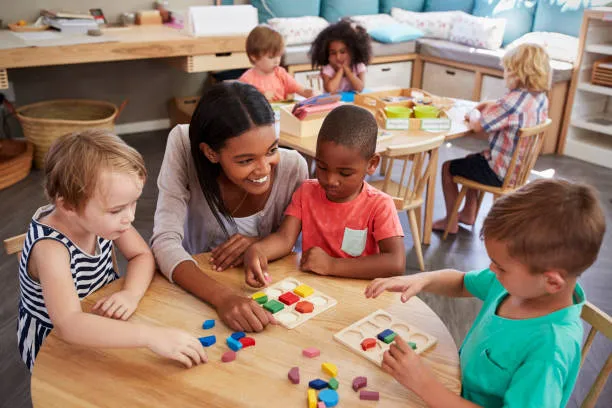

If you've got a toddler at home, you've probably noticed it. Every other parent in your group chat is asking about early childhood education in Illinois like it's the only topic worth discussing. And honestly? It kind of is. The state has been pushing hard on early learning funding for the past few years, and that's changed the conversation for families who used to think preschool was just glorified babysitting. It's not. Not anymore, and frankly it never really was, we just didn't talk about it the right way.
Illinois ranks among the more aggressive states when it comes to expanding pre-K access, especially through programs tied to public school districts. But here's the thing nobody tells you upfront — access isn't the same as quality. You can have a program down the street from you, fully funded, doors wide open, and it still might not be the right fit for your kid. That's where the real homework starts.
What Does Early Childhood Education In Illinois Actually Cover?
Let's back up for a second. When people say "early childhood education," they usually mean the stretch from birth to around age eight, though most of the conversation centers on ages two through five. This is the window where brain development moves at a pace it'll never hit again. Language, motor skills, emotional regulation — all of it gets wired during these years. Illinois recognizes this, which is part of why the state has pushed things like the Preschool for All initiative and expanded funding through the Illinois State Board of Education.
But funding and mandates only get you so far. What actually happens in the classroom, that's the part parents need to dig into themselves. Ask about teacher-to-child ratios. Ask what curriculum framework they use — HighScope, Conscious Discipline, Gardner's multiple intelligences, these aren't just buzzwords schools throw around, they genuinely shape how a kid learns to think and interact. A program that can name its philosophy and explain it in plain English is usually a program that's put real thought into how kids grow.
The Search For Best Preschools Starts With The Wrong Question
Most parents start their search for the Best Preschools by asking "which one is closest" or "which one is cheapest." I get it, those are real constraints. But they're not the first question you should be asking. The first question should be: does this place actually like kids, or does it just tolerate them until pickup time?
You can tell a lot from a five minute walkthrough. Are the walls covered in kid-made art or in laminated posters bought off a catalog? Do the teachers know the kids' names without checking a clipboard? Is there a hum of activity, or is everyone sitting quietly in rows waiting for a bell? None of that shows up on a website. You have to go see it. Call and schedule a tour, and don't be shy about showing up with a list of blunt questions.
Socialization Matters More Than Most Parents Realize
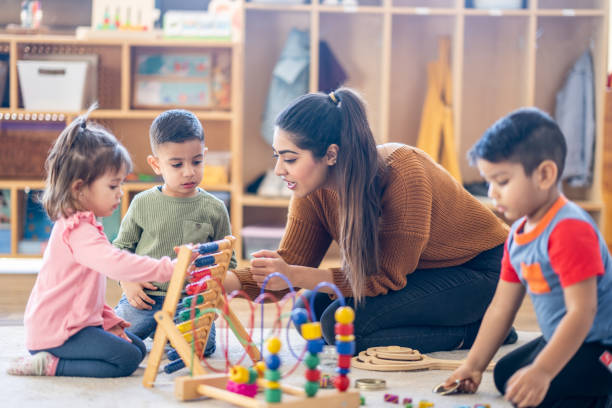
Here's something that gets glossed over a lot: the social skills your child builds between ages two and five will shape how they interact with literally everyone for the rest of their life. Sharing, waiting their turn, reading another kid's mood, apologizing without being told to — none of that is instinctive. It's taught, mostly through repetition and modeling, and a good early childhood program in Illinois builds that in constantly, not as an afterthought.
Kids who spend their early years around structured group settings tend to walk into kindergarten with a leg up socially. They already know how classrooms work. They already know what it feels like to raise a hand, to wait, to lose a game and not fall apart. That stuff compounds. It's not flashy, nobody puts "improved conflict resolution skills" on a preschool brochure, but it's arguably one of the most important things happening in that classroom every single day.
Confidence Building Isn't Just A Feel-Good Phrase
I'll be blunt, "confidence building" sounds like something a marketing team came up with to make preschool sound fancier than it is. But it's actually a real, measurable thing. Teachers who use consistent positive reinforcement, small praise for small wins, gentle correction instead of shame, are literally shaping how a child sees themselves for years down the road.
The Best Preschools tend to strike a balance here. Too much praise and kids grow up expecting a trophy for breathing. Too little and they shrink from anything challenging. Good programs walk that line carefully, encouraging effort without inflating egos, and it shows up later in how these kids handle failure, whether it's a bad grade in third grade or a missed goal in a soccer game.
A Love Of Learning Gets Built Early, Or It Doesn't Get Built At All
This one's personal for a lot of parents, myself included. One bad early experience with a teacher, one boring classroom, one too many worksheets before a kid's even ready to hold a pencil properly, and you can sour a child on learning for years. It happens more than people admit.
The flip side is just as true. A classroom that makes learning feel like play, where counting happens through games and reading happens through stories a kid actually wants to hear, builds a foundation that lasts. Early childhood education in Illinois, when it's done right, leans hard into this. Learning through play isn't a lesser form of education, it's arguably the most effective one for this age group, and any preschool worth its tuition should be able to explain exactly how they weave academics into everyday play without you even asking.

What To Actually Look For When Comparing Programs
When you're comparing the Best Preschools in your area, skip the glossy brochures for a minute and focus on a few concrete things. Staff turnover matters, a lot. If teachers are leaving every few months, that instability trickles down to the kids. Curriculum transparency matters too, a school that can't clearly explain what your child will be learning and why probably hasn't thought it through very deeply themselves.
Also pay attention to how they handle discipline. Programs that use frameworks like Conscious Discipline tend to focus on teaching kids to name and manage their emotions rather than just punishing outbursts. That approach tends to stick better long-term than time-outs and stickers ever did. Ask directly how they handle a meltdown, a bite, a tantrum in the middle of circle time. Their answer will tell you more than any brochure could.
The Role Of Illinois State Programs And Funding
It's worth understanding a little about how the state fits into all this. Illinois has invested significantly in expanding access to early learning, particularly for lower-income families, through public pre-K programs run out of local school districts. These programs can be a great option, and they're often free or low-cost, which matters a lot to a lot of families.
That said, public pre-K slots fill up fast, and waitlists in some Illinois districts stretch on for months. Private early childhood centers, meanwhile, often offer more flexibility with scheduling, extended hours for working parents, and sometimes smaller class sizes. Neither option is automatically better, it really comes down to your family's specific needs, your work schedule, and honestly, what feels right when you walk through the door.
Making The Final Decision Without Losing Your Mind
At some point you have to stop researching and actually pick something. That's easier said than done, I know. My advice, for what it's worth, is to trust your gut alongside the data. Visit more than one place. Ask the awkward questions about staff turnover and discipline and what a typical day looks like hour by hour. Talk to other parents whose kids already attend, they'll tell you things a tour guide never will.
And don't assume the most expensive option is automatically the best one. Some of the most respected early childhood education programs in Illinois are modestly priced but staffed by teachers who've been there a decade or more, which honestly says more about quality than a shiny new building ever could.

Conclusion
Early childhood education in Illinois isn't a box to check off before kindergarten, it's the foundation everything else gets built on top of. The best preschools aren't necessarily the ones with the fanciest websites or the biggest parking lots, they're the ones where teachers know your kid's name, where learning looks like play, and where confidence and social skills get built right alongside the ABCs. Take your time, ask the blunt questions, and trust what you see when you walk through the door. Your kid's first classroom experience shapes more than you'd think, so it's worth getting right.
Frequently Asked Questions
Why is early childhood education important in Illinois?
The first several years of a child's life shape brain development, social skills, and emotional regulation more than any other stage. Illinois has expanded funding for early learning because research consistently shows kids who get quality early education arrive at kindergarten more prepared, academically and socially.
What age does early childhood education cover?
Generally, it covers birth through age eight, though most programs and public conversation focus on ages two through five, the years right before kindergarten.
How do I find the Best Preschools near me in Illinois?
Start by researching state-licensed programs and public Preschool for All options through your local school district. Then schedule tours, ask about teacher turnover, curriculum, and discipline approach, and talk to current parents if you can.
Is public pre-K or private preschool better in Illinois?
Neither is automatically better. Public pre-K is often free but can have long waitlists. Private centers usually offer more scheduling flexibility and sometimes smaller classes. It depends on your family's needs and budget.
What should I ask during a preschool tour?
Ask about staff-to-child ratios, how long teachers typically stay, what curriculum framework they follow, and how they handle discipline or a child's meltdown. Their answers tell you a lot more than a brochure will.























Sign in to leave a comment.