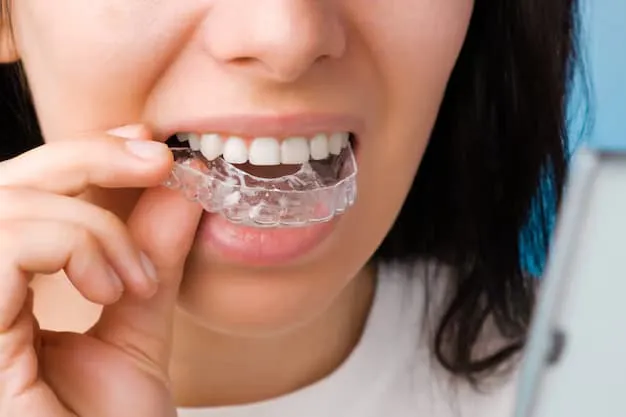

Choosing the right orthodontic provider can make a significant difference in a patient's treatment experience and overall satisfaction. People considering clear aligner treatment often want an option that fits their dental needs, appearance preferences, lifestyle, and budget. An invisalign dentist can evaluate tooth alignment and determine whether clear aligners may be appropriate for the patient's goals. Understanding the provider's qualifications, treatment approach, costs, appointment process, and patient responsibilities can help individuals make a more informed decision.
Understanding Invisalign Treatment
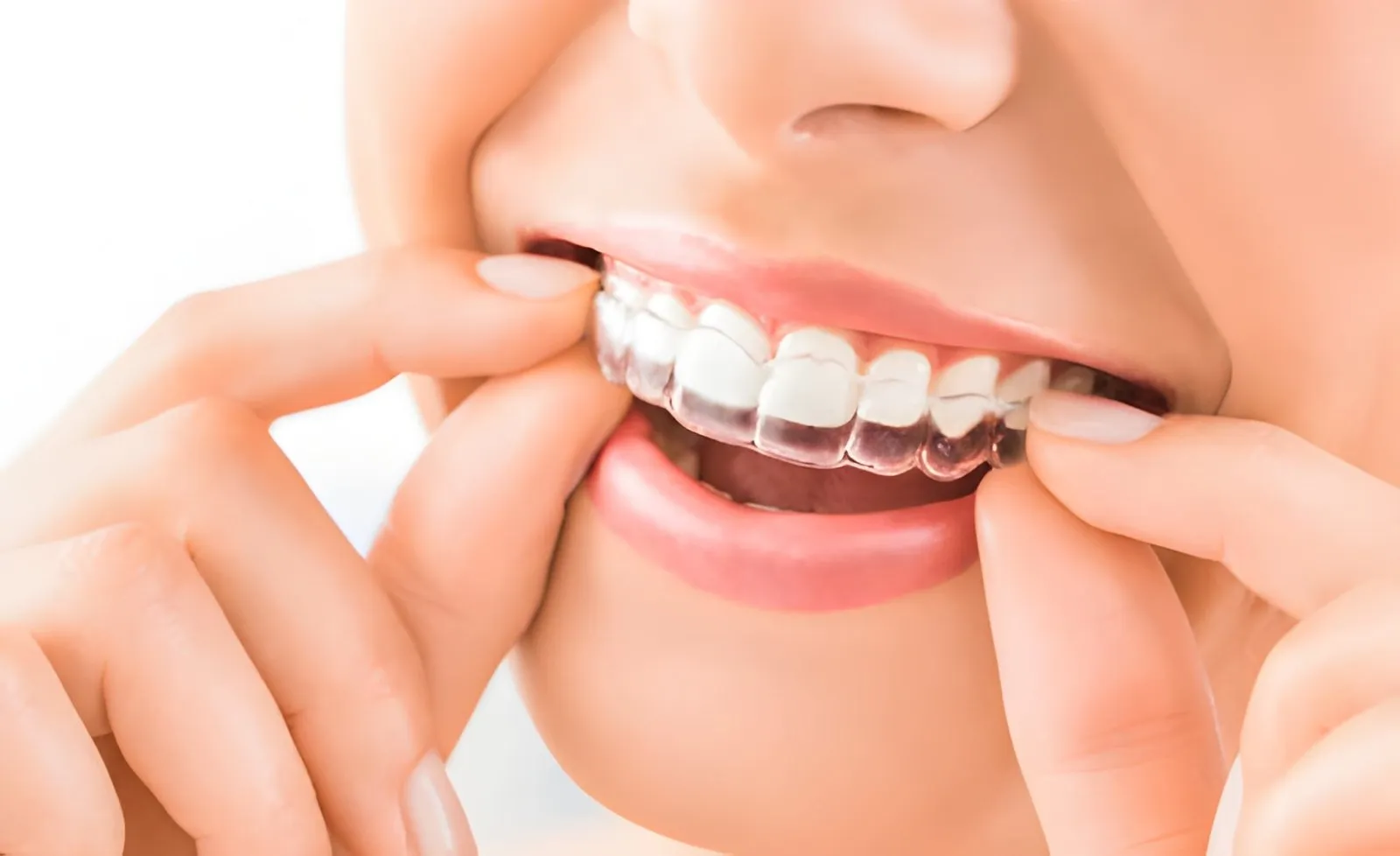
Invisalign treatment uses a series of clear, removable aligners designed to gradually move teeth toward planned positions. Each aligner is created to apply controlled pressure to specific areas of the smile. Patients typically progress through a sequence of aligners according to a treatment plan. Because the aligners are removable, patients can take them out for meals and routine oral hygiene, although consistent wear is important for treatment progress.
Clear aligners may be considered for several alignment concerns, including certain spacing, crowding, and bite related issues. However, not every patient will be suitable for the same type of aligner treatment. The complexity of the dental condition, tooth movement required, and overall oral health can influence the recommended approach. A professional examination is necessary before determining whether clear aligners are an appropriate choice.
Why Choosing the Provider Matters
The provider overseeing aligner treatment plays an important role in planning and monitoring the patient's progress. Clear aligners are not simply a product that patients select independently. Treatment involves evaluating the teeth, developing a movement plan, monitoring changes, and making adjustments when necessary. Patients should therefore consider the provider's training, experience with orthodontic treatment, communication style, and approach to personalized care.
A good consultation should give patients an opportunity to understand their treatment options. The provider can explain what the aligners are expected to accomplish and whether additional procedures may be needed. Patients should feel comfortable asking questions about the treatment process and expected results. Clear communication before treatment begins can help establish realistic expectations and reduce uncertainty throughout the orthodontic journey.
Evaluating Qualifications and Training
Patients should consider the professional background of the provider before beginning treatment. Orthodontic care requires an understanding of tooth movement, bite relationships, jaw structure, and treatment planning. Depending on the patient's needs, different dental professionals may provide aligner treatment, but patients should understand who will evaluate and oversee their specific case.
Asking about education, training, and experience with clear aligner treatment can help patients make an informed choice. Patients may also want to understand how complex cases are handled and how treatment progress is monitored. A provider who takes time to explain the process can help patients feel more confident about the care they are considering.
Importance of the Initial Consultation
The first consultation is an important part of choosing a suitable provider. During the appointment, the teeth and bite can be examined, and diagnostic records may be recommended. Digital scans, photographs, or other records may help create a detailed picture of the patient's current alignment. This information can support the development of a personalized treatment plan.
Patients should use the consultation to discuss their primary concerns and desired results. They may want to ask whether clear aligners can address their specific alignment issues and what limitations may apply. Questions about treatment duration, appointments, costs, refinements, and retainers can also provide useful information. A detailed consultation can help patients understand the entire process before making a commitment.
Understanding the Treatment Plan
Every clear aligner treatment plan should be based on the patient's individual dental condition. The number of aligners required can vary depending on how much tooth movement is needed. Some patients may complete treatment with a relatively straightforward sequence, while others may require additional aligners or refinements to achieve the planned result.
Patients should ask what their treatment plan includes before starting. It can be helpful to understand how progress will be evaluated and what happens if the teeth do not move exactly as expected. Knowing whether additional scans or refinements are included in the treatment arrangement can prevent confusion later. A clear treatment plan allows patients to approach the process with more realistic expectations.
Considering Treatment Duration
Treatment duration can vary widely depending on the patient's alignment concerns and how consistently the aligners are worn. Mild cases may require less time than more complex cases involving significant tooth movement or bite correction. The patient's biological response can also influence progress. Because of these differences, treatment timelines should be viewed as estimates rather than guaranteed schedules.
Patient cooperation can have an important influence on treatment progress. Clear aligners are removable, which means patients are responsible for wearing them according to professional instructions. Frequently removing aligners or failing to follow the recommended schedule may interfere with planned tooth movement. Patients who understand this responsibility can better prepare for the daily commitment required during treatment.
Assessing Daily Lifestyle Needs
One advantage of clear aligners is that they can be removed during meals and oral hygiene. This feature can make them appealing to people who want greater flexibility in their daily routines. Patients can generally eat without having an orthodontic appliance permanently attached to the teeth. They can also brush and floss without navigating around brackets and wires.
However, convenience does not mean that aligner treatment requires little effort. Patients must remember to replace the aligners after eating and cleaning their teeth. Losing or forgetting an aligner can interrupt the planned sequence. Individuals with busy schedules should consider whether they can consistently manage aligner wear and storage before selecting this treatment option.
Understanding Oral Hygiene Requirements
Maintaining good oral hygiene remains important during clear aligner treatment. Patients should clean their teeth regularly before replacing the aligners after meals. Food particles trapped against the teeth beneath an aligner can create an environment that may contribute to plaque buildup. Consistent brushing, flossing, and routine dental care can help support healthy teeth and gums throughout treatment.
The aligners themselves also require appropriate care. Patients should follow professional instructions for cleaning and storing them. Using unsuitable cleaning methods or exposing aligners to excessive heat may affect their appearance or shape. Proper care can help keep the aligners clean and comfortable while reducing unnecessary problems during treatment.
Considering Treatment Cost
Cost is an important factor for many patients considering clear aligner treatment. The overall expense may depend on the complexity of the case, number of aligners, treatment duration, diagnostic services, appointments, refinements, and retention. Patients should ask for a complete treatment estimate rather than focusing only on an advertised starting price.
Payment arrangements and insurance benefits may also affect the financial decision. Insurance coverage varies according to individual policies and treatment requirements. Some providers may offer financing or payment plans that allow patients to spread expenses over time. Patients should review these details carefully before beginning treatment so they understand what is included and what additional costs may arise.
Understanding the Importance of Follow Up Visits
Clear aligner treatment still requires professional monitoring even though the aligners are removable. Follow up appointments allow the provider to evaluate tooth movement and determine whether treatment is progressing as planned. The frequency of appointments can vary depending on the treatment approach and individual needs.
Patients should ask how often appointments are expected and whether some monitoring can occur remotely when appropriate. Understanding the follow up schedule can help patients plan around work, school, travel, and other commitments. Regular monitoring also gives patients an opportunity to report discomfort, fit problems, or other concerns before they interfere with treatment progress.
Managing Aligner Comfort
Patients may notice pressure or mild tenderness when switching to a new aligner. This can occur because the appliance is designed to guide teeth toward their planned positions. Some patients may also notice that an aligner feels unusual during the first few days of a new stage. These sensations may change as the mouth becomes accustomed to each new aligner.
Persistent pain, significant irritation, or an aligner that does not fit properly should be discussed with the provider. Patients should not attempt to modify the appliance themselves. A professional can determine whether the issue is expected or whether the treatment plan needs to be reviewed. Prompt communication can help prevent minor concerns from becoming larger problems.
Asking About Refinements
Not every patient's teeth move exactly according to the original prediction. Additional aligners, sometimes called refinements, may be considered when further movement is necessary. Patients should ask how refinements are handled under the proposed treatment arrangement. Understanding this process in advance can help patients avoid unexpected concerns about additional appointments or costs.
The possibility of refinement does not necessarily mean treatment has failed. Tooth movement can vary between individuals, and adjustments may sometimes be necessary to achieve the intended result. What matters is that the provider monitors progress and responds appropriately when the teeth do not move exactly as planned.
Thinking About Retainers After Treatment
The orthodontic process does not necessarily end when the final active aligner is completed. Teeth can naturally move after treatment, so retainers are commonly recommended to help maintain the achieved alignment. The type of retainer and wearing schedule can vary depending on the patient's individual circumstances and treatment plan.
Patients should ask about retention before beginning aligner treatment. Understanding the expected retainer type, care requirements, replacement considerations, and wearing schedule can help patients prepare for the long term responsibilities associated with maintaining their results. Consistent retention can be an important part of protecting the investment made in orthodontic treatment.
Comparing Providers Carefully
Patients may want to compare several providers before making a final decision. Important factors can include qualifications, treatment planning, communication, appointment availability, cost transparency, and the overall approach to patient care. A convenient location may be helpful, but convenience should be balanced with the quality and suitability of the proposed treatment.
Patients can prepare a list of questions for each consultation and compare the answers. They may ask about expected treatment duration, monitoring, refinements, retainers, total cost, and potential limitations. Comparing complete treatment plans rather than individual prices can provide a clearer understanding of the overall value and commitment involved.
Recognizing the Importance of Patient Commitment
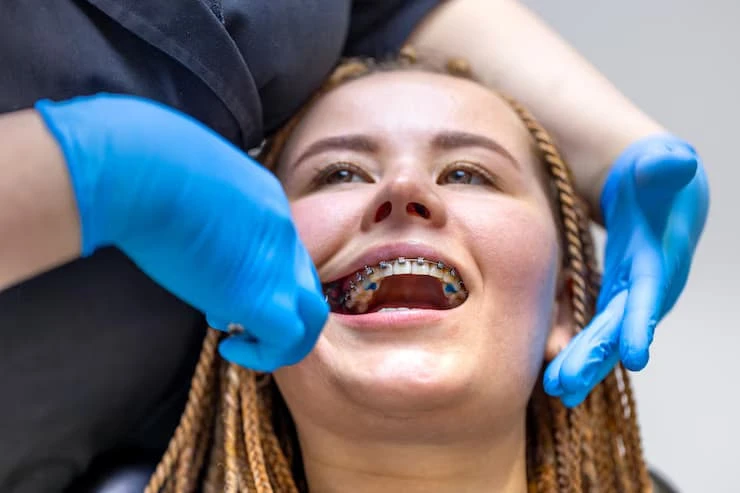
Clear aligner treatment gives patients greater flexibility, but that flexibility comes with responsibility. Unlike fixed braces, aligners can be removed, so patients must remember to wear them according to the recommended schedule. Frequent removal or failure to replace the aligners can affect treatment progress and may require additional time.
Patients should develop habits that make consistent wear easier. Keeping the aligners stored safely when removed, cleaning them appropriately, and remembering to replace them after meals can support better routine management. Patients who understand these responsibilities before treatment begins may be better prepared to maintain consistency throughout the entire process.
Making an Informed Decision
Choosing an Invisalign provider should involve careful consideration of dental needs, treatment goals, professional qualifications, costs, monitoring, and long term retention. Patients should avoid selecting a provider based solely on promotional pricing or convenience. A personalized treatment plan and clear communication can provide a stronger foundation for a successful orthodontic experience.
The consultation should leave patients with a clear understanding of what will happen from the beginning of treatment through retention. Patients can ask questions until they understand the recommendations and financial responsibilities. Taking time to compare options can help individuals choose treatment that fits their dental needs and daily lifestyle while creating realistic expectations about the journey ahead.
Final Thoughts
Choosing the right provider for clear aligner treatment involves more than selecting an appliance. Patients should consider qualifications, personalized treatment planning, cost, monitoring, daily responsibilities, refinements, and retention before beginning care. A thorough consultation can help determine whether aligners are appropriate and provide a clearer understanding of the expected treatment process. Patients researching clear aligner options can consider Textbook Orthodontics when exploring information about orthodontic treatment and planning a more confident path toward improved smile alignment.
























Sign in to leave a comment.