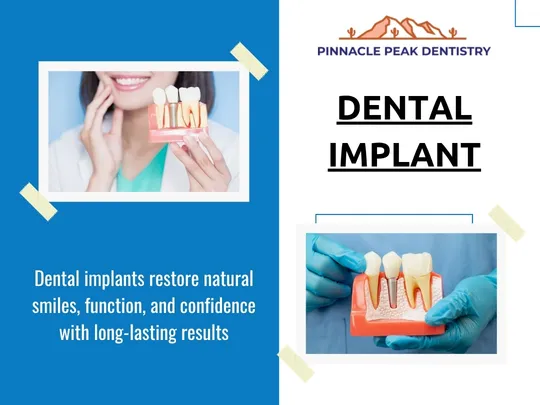

Losing a tooth can affect more than appearance. A missing tooth may make chewing uncomfortable, change how your teeth come together, and leave you wondering which replacement option makes sense for your long-term oral health. For many patients researching dental implants scottsdale, the biggest questions involve candidacy, treatment time, recovery, and whether implants are appropriate for their situation.
Dental implants are designed to replace the root portion of a missing tooth and support a replacement crown, bridge, or denture. Because the implant is placed into the jawbone, it can provide stable support for the visible restoration.
What Are Dental Implants and How Do They Work?
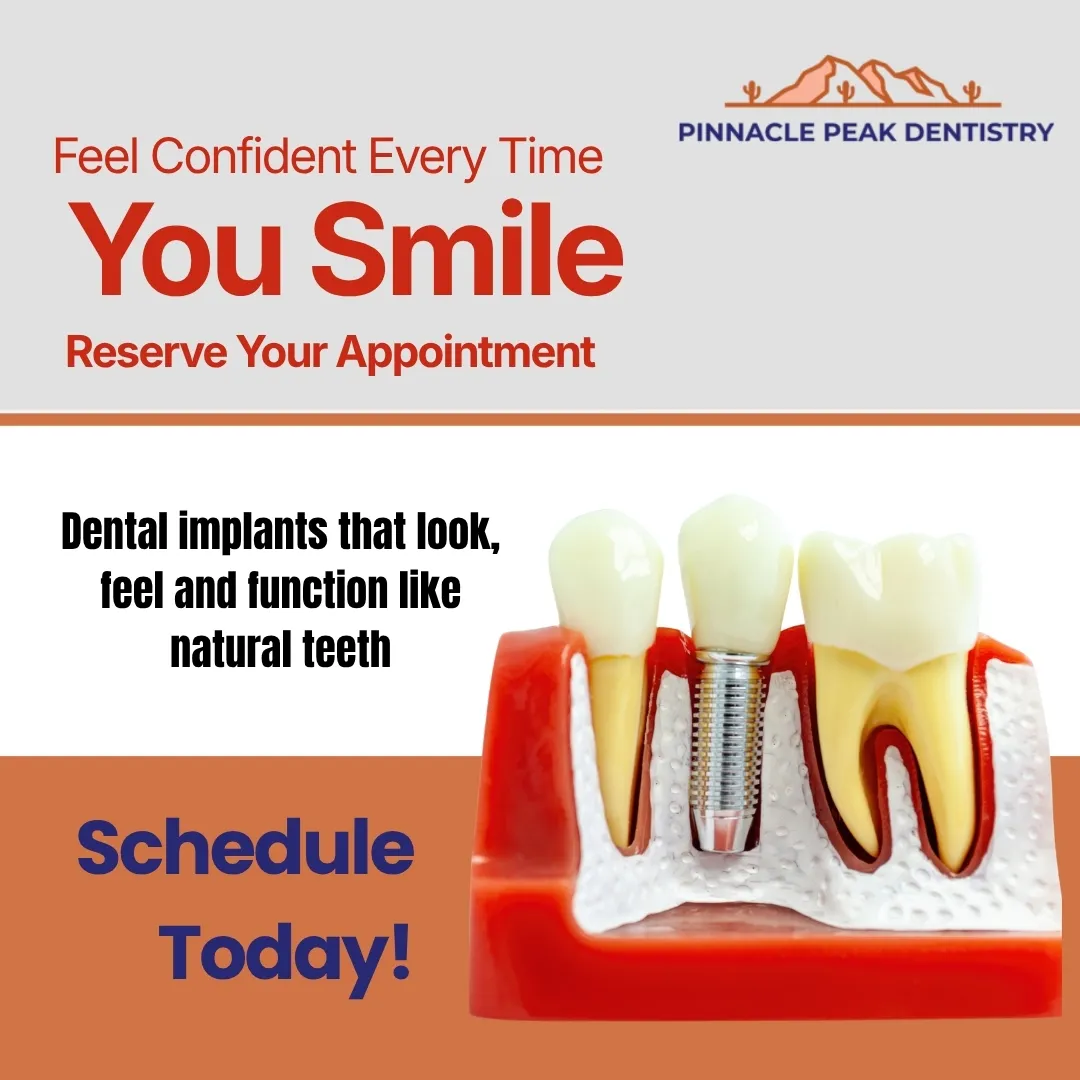
A dental implant typically consists of three main components: the implant post, an abutment, and the replacement tooth.
The implant post is positioned in the jawbone and acts as an artificial tooth root. During healing, bone can integrate with the implant surface, creating a stable foundation. The abutment connects the implant to the final restoration, such as a dental crown.
How Does Dental Implant Treatment Work?
Treatment generally begins with an examination of your teeth, gums, jawbone, and overall oral health. Dental imaging may be used to evaluate available bone and plan implant placement.
Depending on the condition of the mouth, treatment may involve:
- Removal of a damaged tooth
- Bone grafting when additional bone support is needed
- Placement of the dental implant
- A healing period for bone integration
- Placement of the abutment
- Attachment of the final crown, bridge, or denture
Treatment timelines vary considerably from one patient to another. Some cases can involve several months of healing before the permanent restoration is placed, while other treatment approaches may allow different stages to be combined.
Who Is a Candidate for Dental Implants?
Not everyone with a missing tooth automatically needs an implant. Candidacy depends on individual factors rather than simply age.
A dental professional may evaluate:
- Jawbone volume and density
- Gum health
- Condition of neighboring teeth
- Oral hygiene
- Overall health
- Smoking or tobacco use
- Certain medications or medical conditions
- Ability to maintain regular dental care
Healthy bone and gums are important because the implant needs adequate support during healing. If bone has been lost after tooth loss, bone grafting or another treatment may sometimes be considered before implant placement.
Are Dental Implants Suitable for One Missing Tooth?
Yes. A single dental implant can support an individual crown and replace a missing tooth without relying on neighboring teeth for support. Multiple missing teeth can also be replaced using implant-supported bridges or other restorations, depending on the patient's needs.
How Long Do Dental Implants Take to Heal?
Healing time varies based on the procedure and the patient's individual circumstances. One important stage is osseointegration, when bone gradually bonds with the implant.
Some implant treatment plans require several months between implant placement and the final restoration. Additional procedures, such as tooth extraction or bone grafting, can affect the overall timeline.
This is why patients should be cautious about assuming that every implant treatment can be completed within a fixed number of days. A personalized examination is necessary to determine an appropriate timeline.
How Do You Care for Dental Implants?
Implants still require regular oral hygiene and professional dental care. Patients should brush thoroughly, clean between teeth as recommended, and attend routine dental examinations.
It is also important to protect the gums and tissues surrounding an implant. A replacement tooth may be artificial, but the surrounding oral tissues remain living and require ongoing care.
What Questions Should You Ask Before Choosing Dental Implants?
Before starting treatment, consider asking:
- Do I have enough bone to support an implant?
- Are my gums healthy enough for implant treatment?
- Do I need an extraction or bone graft first?
- What type of restoration will the implant support?
- How long is my expected treatment timeline?
- What should I expect during recovery?
- What alternatives should I consider?
- How will the implant be maintained after treatment?
Getting clear answers can help you understand whether implant treatment fits your oral health needs rather than choosing a procedure based solely on appearance.
Dental Implants Scottsdale: What Should You Do Next?
If you are researching dental implants scottsdale, start with a comprehensive dental evaluation rather than assuming an implant is automatically the right solution. A dentist can assess the missing tooth, surrounding teeth, gums, available bone, and your long-term oral health goals.
At Pinnacle Peak Dentistry - Scottsdale, patients can discuss their individual tooth-replacement needs, understand available options, and develop a treatment plan based on their clinical situation. The goal is to make an informed decision about restoring function and maintaining long-term oral health.



















Sign in to leave a comment.