
Losing a tooth can affect more than appearance. It may make chewing difficult, change how your remaining teeth meet, and contribute to changes in the jawbone over time. For people considering tooth replacement, dental implants scottsdale patients often have questions about candidacy, treatment time, recovery, risks, and long-term care.
Dental implants are designed to replace the root portion of a missing tooth. An implant is placed into the jawbone and can support a dental crown, bridge, or denture. Because treatment involves surgery and healing, an evaluation is important before deciding whether implants are appropriate.
What Are Dental Implants?
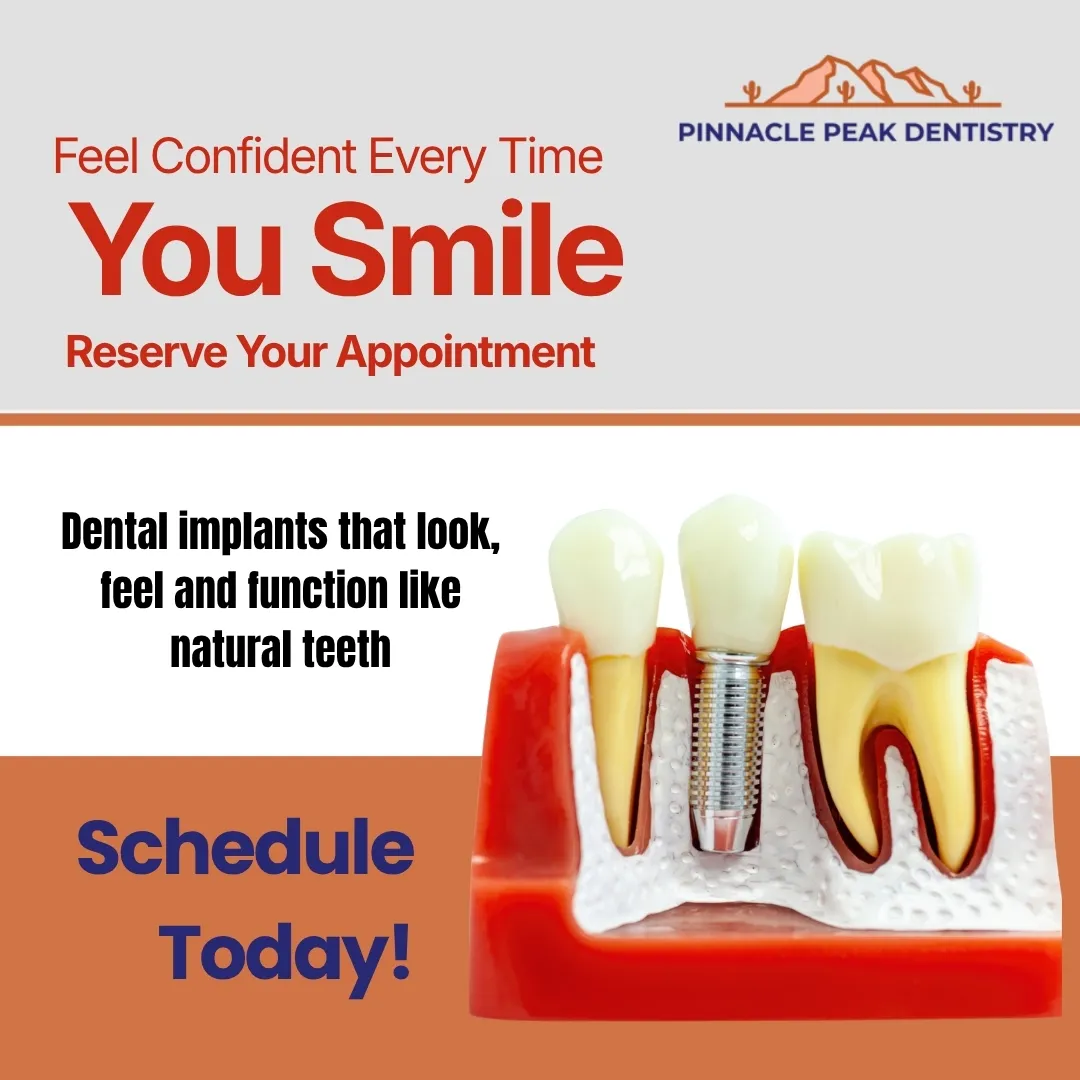
A dental implant consists of an implant post, an abutment, and a replacement tooth or prosthesis. The post is positioned in the jawbone, where it can gradually integrate with the surrounding bone. Once healing is sufficient, the replacement tooth can be attached.
Unlike a conventional bridge, an implant replaces the missing tooth root without relying on neighboring teeth for support. However, the right option depends on factors such as bone volume, gum health, overall health, and the number and location of missing teeth.
Who Is a Good Candidate for Dental Implants?
One of the most common patient questions is, “Can anyone get dental implants?”
Not necessarily. A dental professional typically evaluates:
- The amount and quality of available jawbone
- Gum and periodontal health
- The condition of remaining teeth
- Overall health and healing ability
- Tobacco use
- Certain medications or medical conditions
- Oral hygiene habits
Age alone does not automatically determine candidacy. Healthy bone and tissues, along with the ability to heal properly, are more important considerations. In some situations, bone grafting may be recommended before or during implant treatment.
How Long Does Dental Implant Treatment Take?
Another common search question is, “How long does the entire process take?”
The timeline varies considerably from patient to patient. Treatment generally includes an examination and imaging, implant placement, a healing period, and placement of the final restoration.
During healing, a process called osseointegration allows bone to develop around the implant and provide stability. This can take several months, although the exact timeframe depends on the individual case and treatment approach.
Patients who require tooth extraction, bone grafting, or treatment for existing gum disease may need additional time before the final restoration is completed.
Is Dental Implant Surgery Painful?
Patients commonly worry about discomfort during and after implant placement. Local anesthesia is generally used during surgery, while sedation may be considered in appropriate situations.
After treatment, some tenderness, swelling, bruising, or minor bleeding can occur. Your dental provider will give specific aftercare instructions based on the procedure performed.
What Are the Risks of Dental Implants?
Dental implants have a strong clinical track record, but no surgical procedure is completely risk-free. Possible complications include infection, damage to surrounding structures, nerve-related symptoms, sinus complications in certain upper-jaw cases, and failure of the implant to integrate with bone.
Smoking and certain health conditions may affect healing, so patients should provide their dentist with an accurate medical and medication history before treatment.
How Should You Care for Dental Implants?
An implant still requires consistent oral hygiene. Brushing, cleaning between teeth, professional dental visits, and monitoring the gums around the implant are important for maintaining oral health.
Patients should also contact their dental provider if an implant becomes loose, painful, swollen, or shows signs of infection. Regular follow-up allows potential problems to be identified early.
What Should You Ask Before Choosing Dental Implants?
Before beginning treatment, consider asking:
- Am I a suitable candidate for an implant?
- Do I have enough bone for implant placement?
- Will I need a bone graft or other preliminary treatment?
- What type of restoration will be attached to the implant?
- How long is my expected treatment timeline?
- What are the potential risks in my particular case?
- What will my follow-up and maintenance schedule involve?
A detailed consultation can help you understand your options rather than assuming implants are automatically the right solution.
Final Thoughts
For Scottsdale patients researching dental implants scottsdale, understanding the treatment process, candidacy requirements, healing period, benefits, and potential risks is an important first step. Dental implants can be an effective option for replacing missing teeth, but treatment should be planned around each patient's oral and overall health.
Pinnacle Peak Dentistry - Scottsdale can discuss your individual circumstances, examine your oral health, and help you understand whether implant treatment or another tooth-replacement option may be appropriate for you.





























Sign in to leave a comment.