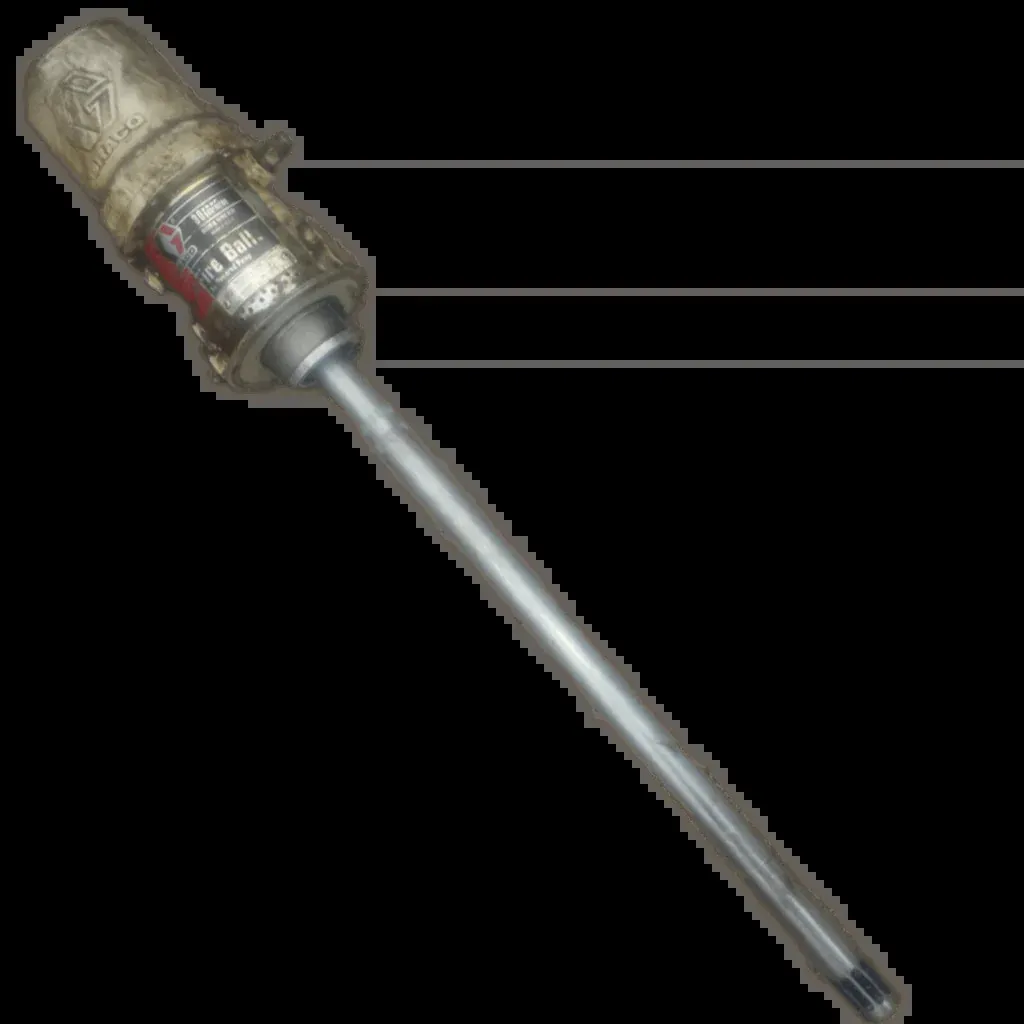

Choosing a grease pump can seem straightforward until you start seeing numbers such as 50:1, 55:1, or 60:1. What do these numbers actually mean, and does a higher pressure ratio always mean a better pump? The answer depends on your equipment, grease type, lubrication points, and working conditions. Understanding pressure ratio can help you select a pump that delivers the performance you need without paying for unnecessary capacity.
What Does Grease Pump Pressure Ratio Mean?
A pressure ratio describes the relationship between the air pressure supplied to a pneumatic grease pump and the approximate fluid pressure the pump can develop. For example, a 50:1 grease pump can theoretically produce around 50 times the inlet air pressure under suitable operating conditions.
If the pump receives 100 PSI of air pressure, a 50:1 ratio indicates a potential grease pressure of approximately 5,000 PSI. Similarly, a 60:1 pump could theoretically reach around 6,000 PSI under comparable conditions.
However, these figures should not be interpreted as the pump constantly operating at maximum pressure. Actual output depends on several factors, including grease viscosity, temperature, hose length, fittings, lubrication-point resistance, and the pump's operating conditions.
Why Does Pressure Ratio Matter?
Grease is considerably thicker than many other fluids, and getting it into a bearing, joint, or fitting can require substantial pressure. This becomes especially important when lubrication points are restricted, contaminated, or resistant to grease flow.
A suitable pressure ratio allows the pump to overcome this resistance and maintain useful grease delivery. If the pump does not have enough pressure capability for the application, you may notice slow grease flow, difficulty priming, or trouble getting grease through a fitting.
On the other hand, choosing an unnecessarily high-pressure pump does not automatically improve lubrication. The goal is to select a pump that matches the requirements of the job.
50:1 vs. 55:1 vs. 60:1: What's the Difference?
These pressure ratios are commonly associated with pneumatic grease pumps, but the difference should be considered in the context of your complete lubrication system.
50:1 Grease Pumps
A 50:1 pump can provide substantial pressure for many workshop, automotive, agricultural, and general maintenance applications. It can be a practical choice when you need reliable grease delivery without requiring the highest possible pressure capability.
55:1 Grease Pumps
A 55:1 pump offers a little more pressure multiplication than a 50:1 model. This can be useful for applications where grease resistance is higher or where equipment requires stronger pressure to reach difficult lubrication points.
60:1 Grease Pumps
A 60:1 pump provides an even higher potential pressure output. It can be beneficial for demanding lubrication environments involving heavy equipment, long delivery lines, or stubborn lubrication points.
The important thing to remember is that pressure ratio is only one part of pump selection. A 60:1 pump is not automatically the right choice simply because its number is higher.
How to Choose the Right Pressure Ratio
Start by looking at the equipment you need to lubricate. Heavy machinery with large bearings and difficult-to-access fittings may require greater pressure capability than routine automotive maintenance.
Next, consider the grease you're using. Higher-viscosity greases can be more difficult to move, particularly in colder conditions. A pump with suitable pressure capability can help maintain consistent delivery when grease becomes more resistant to movement.
Your hose and fittings also matter. Long hoses, narrow passages, restrictive fittings, and multiple connection points can increase resistance in the delivery system. In these situations, having sufficient pressure capability can make grease delivery easier.
Finally, consider how frequently the pump will be used. A busy fleet maintenance shop may benefit from a robust pneumatic pump designed for repeated operation, while a smaller workshop may not need the same level of pressure capability.
Does Higher Pressure Mean Better Performance?
Not necessarily.
Think of pressure ratio as available capability rather than a performance score. The best pump is the one that can comfortably handle your application's pressure requirements while providing appropriate grease flow.
A pump with excessive pressure capability may add cost without providing a meaningful advantage for a simple lubrication task. More importantly, lubrication equipment should always be operated within the pressure limits of the pump, hose, fittings, grease gun, and other connected components.
Always check manufacturer specifications before operating a grease pump at high pressure.
Don't Forget Flow Rate
Pressure and flow are related, but they are not the same thing.
Pressure helps the grease overcome resistance.
Flow rate determines how quickly grease can be delivered.
For a busy maintenance operation, you need a balance between the two. A pump that develops excellent pressure but delivers grease too slowly may still reduce productivity. Likewise, high flow without sufficient pressure may not effectively reach resistant lubrication points.
This is why choosing equipment based solely on a pressure-ratio number can lead to disappointing results.
The Bottom Line
Choosing the right grease pump pressure ratio does not have to be complicated. A 50:1 pump may be perfectly suitable for many everyday applications, while 55:1 or 60:1 models can provide additional pressure capability for more demanding lubrication work.
Before making a decision, consider the grease grade, equipment type, lubrication-point resistance, hose length, required flow rate, operating environment, and frequency of use. By looking at the complete application rather than focusing on one number, you can build a grease dispensing system that works efficiently and reliably.
For workshops and maintenance operations looking for dependable lubrication equipment, Empire Lube Equipment offers a range of grease pump solutions designed for different applications and container sizes. The right combination of pressure, flow, and equipment compatibility can make routine lubrication faster, cleaner, and far more efficient.

























Sign in to leave a comment.