Professional safety precautions for old insulation removal involve using high-grade personal protective equipment, industrial-strength vacuum systems, and strict containment procedures. These methods prevent the spread of hazardous particles like fiberglass shards, asbestos, mold spores, and rodent waste throughout your living space. Experts prioritize air quality by sealing off the work area and using specialized filtration tools to capture microscopic debris.
Removing aged materials requires more than just clearing space. It is a technical process that demands specific gear to protect both the workers and your family from environmental toxins. The following details explain how professionals manage these risks to keep your property safe and clean during the project.

Protective gear for safe material handling
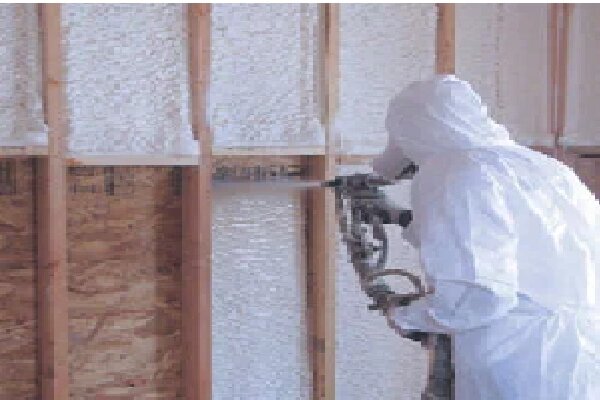
Safety is a top priority when providing Insulation Services in Pflugerville, TX, especially during insulation removal or replacement projects. One of the most visible safety measures is the use of personal protective equipment (PPE). Technicians wear full-body suits made from breathable yet durable fabric to keep fiberglass fibers, dust, and debris off their skin, preventing the itching and irritation commonly associated with older insulation materials.
As part of professional Insulation Services in Pflugerville, TX, technicians rely on several essential pieces of protective equipment to ensure a safe working environment:
- Full-face respirators with P100 filters to block fine particulates.
- Heavy-duty gloves that resist punctures and tears from sharp debris.
- Safety goggles that create a secure seal to protect the eyes from dust and insulation fibers.
Respirators are particularly important because they filter out harmful contaminants such as mold spores and dried rodent droppings. In the humid climate of Central Texas, aging insulation often traps moisture that encourages biological growth. Using the proper protective equipment allows insulation professionals to safely remove these materials while protecting both their health and the indoor environment of the property.
Respiratory protection standards
Technicians use NIOSH-approved respirators rather than simple paper masks. Paper masks often allow fine fiberglass fibers to pass through the sides. A proper seal is mandatory for every person entering the attic space.
Disposable clothing and hygiene
Disposable coveralls prevent workers from carrying dust from the attic into other parts of your home. Once the old insulation removal is finished for the day, these suits are removed and bagged. This practice keeps the rest of your house a clean zone.
A helpful tip for homeowners If you are planning this service, clear a path from the attic hatch to the nearest exit. This minimizes the time workers spend in your living areas while wearing their gear.
Why is containment essential during extraction
Containment refers to the physical barriers used to stop dust from moving. Professionals use heavy-duty plastic sheeting to create a sealed corridor between the attic access point and the outdoors. This prevents loose debris from floating into your bedrooms or hallways.
Standard safety measures for containment
| Safety Feature | Standard Removal | Professional Safety Removal |
|---|---|---|
| Air Filtration | None | HEPA Air Scrubbers |
| Work Area Seal | Open | Plastic Zip-Wall Barriers |
| Debris Transport | Hand-carried bags | High-powered vacuum hose |
| Pressure Control | Neutral | Negative Air Pressure |
Negative air pressure is a technique where fans pull air out of the attic and vent it directly outside. This creates a vacuum effect that ensures any loose dust is sucked toward the exterior rather than pushed down into your home. This is a standard part of high-quality insulation removal services.
Specialized tools used by an insulation removal company
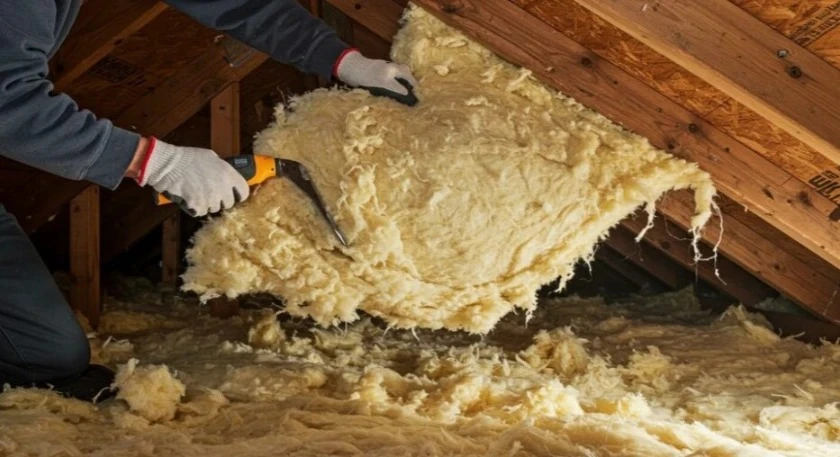
A professional insulation removal company does not use standard household vacuums or shop vacs. Those smaller machines often blow fine dust back into the air through their exhaust. Instead, they use large, truck-mounted vacuum systems with massive hoses.
High-volume suction power
These industrial vacuums stay outside the home. A long, flexible hose is run directly into the attic. This allows the team to suck up loose-fill cellulose or fiberglass batts and send them straight into a collection bag inside the truck or a trailer.
HEPA filtration systems
High-Efficiency Particulate Air filters are used to trap 99.97% of particles as small as 0.3 microns. These are used in air scrubbers that run continuously during the job. They help clean the air that the vacuum system might miss.
An expert recommendation Ask your provider if they use a gas-powered vacuum. These are much more powerful than electric models and complete the job faster, reducing the time your home is under construction.

Managing local environmental risks in Texas
Pflugerville homes face specific challenges like extreme attic heat and local pests. During the summer, attic temperatures in Central Texas can rise above 140 degrees Fahrenheit. This poses a major risk for heat exhaustion for anyone working in the space.
Safety protocols for Texas heat
- Scheduling work for the early morning hours to avoid peak heat.
- Mandatory hydration breaks for all crew members.
- Using cooling vests under protective suits to regulate body temperature.
Pests like squirrels and raccoons frequently nest in Texas attics. Their waste can carry diseases like Hantavirus. Safely removing these materials requires sanitizing the area after the debris is gone. An attic insulation removal specialist will often apply an antimicrobial treatment to the wood framing once the old material is cleared. Addressing these regional challenges ensures the area is ready for the final disposal phase.
The process of safe debris disposal
Once the material is out of the house, it cannot simply be tossed into a regular trash bin. Most old insulation removal projects result in dozens of large bags of waste. These bags must be sealed tightly to prevent fibers from blowing around the neighborhood.
Professionals handle the hauling and disposal at approved waste facilities. This saves you from having to figure out which local landfills accept construction and demolition debris. It also keeps your driveway and yard free of hazardous fiberglass particles.
Bagging and sealing procedures
Each bag is filled while still inside the vacuum collection system or inside the containment zone. This double-handling ensures that no open bags of old insulation are ever sitting in your yard or driveway.
Final attic cleaning
After the bulk of the material is gone, technicians use smaller vacuum attachments to get into the corners and crevices. They want to ensure the joists are clean before any new product is installed. A clean surface allows for a better seal if you decide to upgrade to spray foam or mineral wool.
Six factors to check before starting the project
- Check for the presence of asbestos, especially in homes built before 1990.
- Identify any active pest infestations that need treatment first.
- Ensure all electrical wiring in the attic is in good condition to avoid fire risks.
- Verify that the team has a plan for negative air pressure.
- Confirm that the disposal of the old material is included in the service price.
- Assess the structural integrity of the attic floor to prevent accidents.
Market data suggests that nearly 90% of existing homes in the United States are under-insulated. This means many homeowners in Pflugerville are living with outdated or degraded materials. Removing these properly is the first step toward a more energy-efficient and healthy home environment.
Protecting your indoor air quality
The ultimate goal of these safety precautions is to protect your indoor air quality. When insulation is disturbed, it releases thousands of tiny fibers. If these enter your HVAC system, they can circulate through your house for weeks.
Professional teams seal off your vents and turn off the air conditioning during the most active parts of the removal. This simple step prevents the furnace or AC from sucking in dust and distributing it to every room. It is a small detail that makes a massive difference in the cleanliness of your home after the job is done.
Moving toward a safer home environment
Following these safety steps ensures that your home remains a healthy place during and after the project. By using the right gear and containment methods, experts manage the hidden dangers found in old building materials. Taking these precautions seriously prevents long-term respiratory issues and keeps your living spaces clean. Once the old, dusty material is gone, you have a blank slate to improve your home's comfort and energy performance.
Request a free quote for your insulation project
When you are ready to update your home, reaching out to a professional like Spray Foam Tech is the best way to ensure the job is done safely. They specialize in a wide range of services, including residential and commercial spray foam, mineral wool, and specialized old insulation removal. You can contact their expert team to discuss your specific needs and get a detailed estimate. To learn more about how they can help you improve your property, call (737) 777-9590 or send an email to [email protected].
Common questions about removing old insulation
How long does it take to remove insulation from an attic?
Most residential removals take between 4 and 8 hours, depending on the size of the attic and the type of material. Blown-in fiberglass is usually faster to remove than old batts or wood shavings.
Can I stay in my house during the removal process?
Yes, you can usually stay in the home if the crew uses proper containment and negative air pressure. However, some people prefer to leave for a few hours if they are sensitive to noise or have severe allergies.
Does removing old insulation get rid of smells?
If the smell is caused by rodent waste or mold within the material, then yes. Removing the source of the odor and sanitizing the area is the most effective way to freshen the attic air.
What happens to the old material after it is removed?
The material is transported in sealed bags or a vacuum trailer to a local landfill that is licensed to handle construction waste. It is never left on the curb for standard trash pickup.
Is it necessary to remove old insulation before adding new insulation?
It is highly recommended that the old material be wet, molded, or full of animal waste. Removing the old layer also allows you to seal air leaks in the attic floor more effectively.























Sign in to leave a comment.