

A strong foundation in preventive dental care for kids can shape a child's oral health for life. Starting early, staying consistent, and knowing what to prioritize makes all the difference between a childhood full of healthy smiles and one spent managing cavities and discomfort.
But what does a solid preventive plan actually include? Many parents know the basics, like brushing and flossing, yet there are several other layers to pediatric preventive dentistry that often get overlooked. Understanding each piece helps parents make informed decisions and build healthy teeth habits for kids from the very start.
When Should Preventive Dental Care for Kids Begin?
The American Academy of Pediatric Dentistry recommends a child's first dental visit by age one or within six months of the first tooth appearing. This early start allows a dentist to assess baby teeth care and maintenance, screen for early childhood caries prevention, and guide parents on young child oral hygiene.
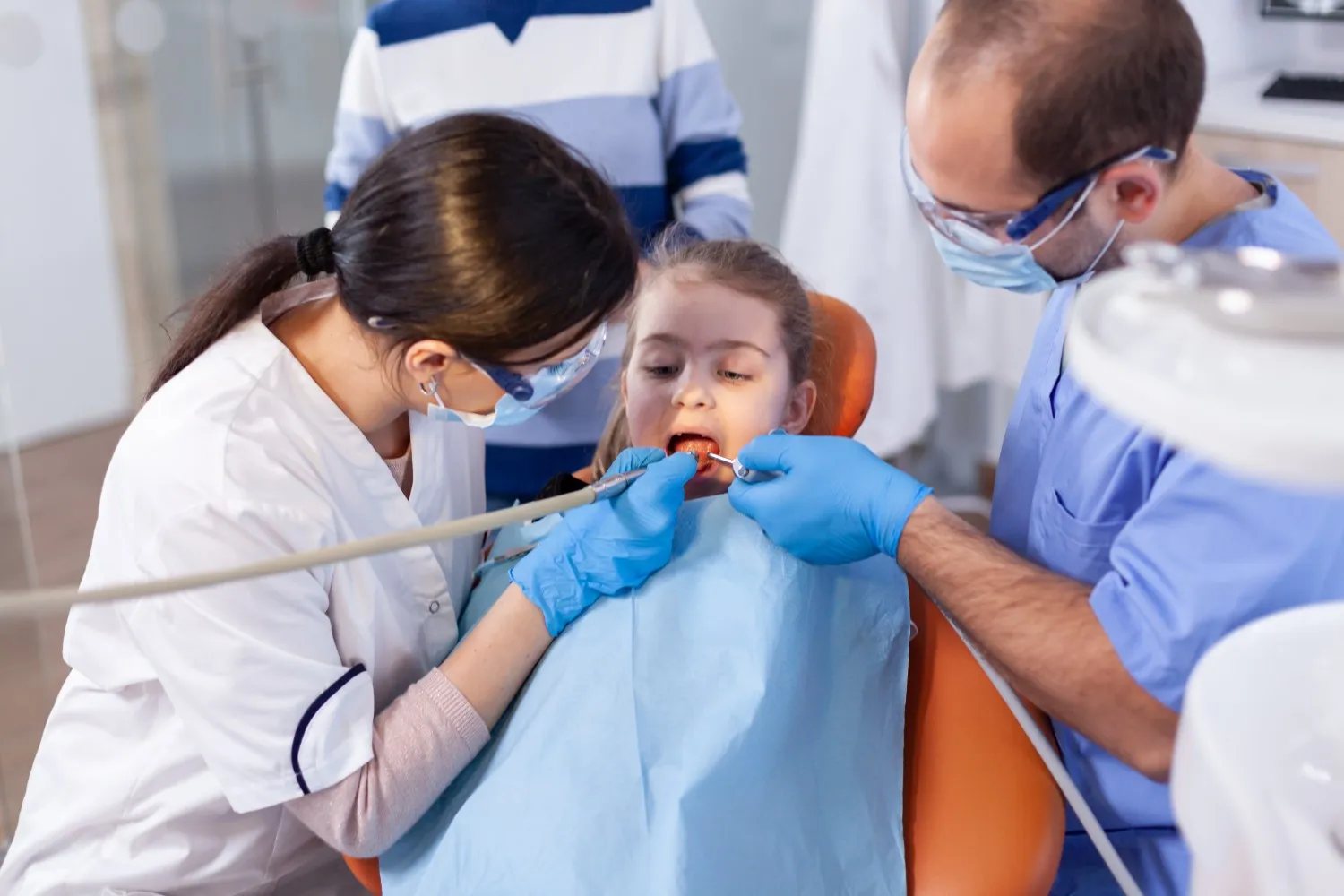
These initial pediatric dental checkups are short and gentle. They set the tone for future visits, helping kids feel comfortable in the dental chair before any major work is ever needed.
The Core Components of a Preventive Plan
A well-rounded preventive plan for children covers more than just brushing. Here are the key elements every parent should know about:
Daily Oral Hygiene at Home
Proper children's tooth brushing techniques matter more than most parents realize. Use a soft-bristled, age-appropriate toothbrush and a rice-grain-sized amount of fluoride toothpaste for kids under three. For children three and older, a pea-sized amount is recommended.
Dental flossing for kids should begin as soon as two teeth touch. Parents should supervise brushing until around age seven or eight, when children develop the motor skills to do a thorough job on their own.
Professional Fluoride Treatments and Dental Sealants
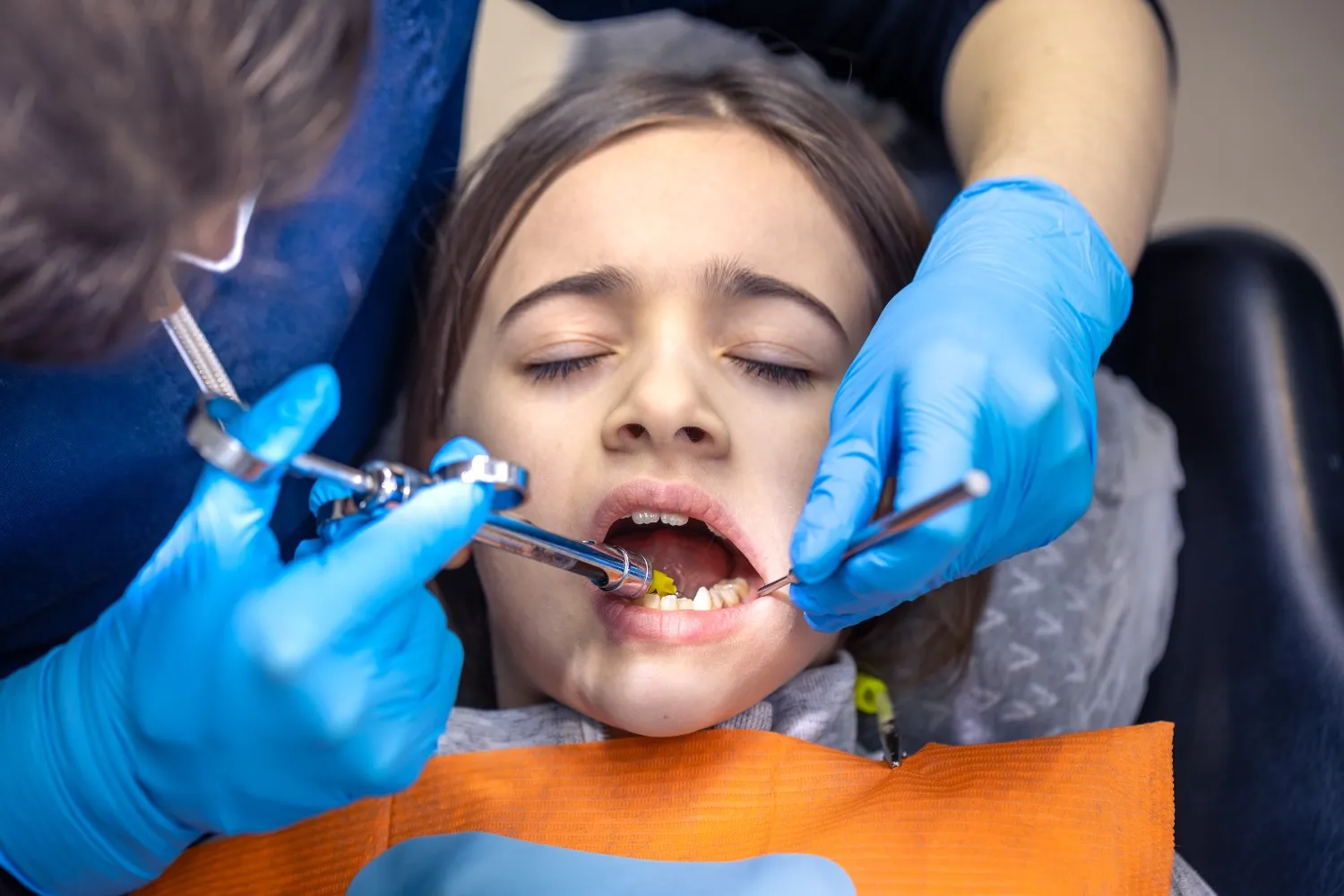
Fluoride treatments for kids strengthen enamel and help reverse early signs of decay. Applied during routine pediatric dental visits, they provide an extra layer of protection beyond what toothpaste alone offers.
Dental sealants for children are another powerful tool for cavity prevention. A thin, protective coating is painted onto the chewing surfaces of back molars, sealing out bacteria and food particles. Sealants can reduce the risk of decay in treated teeth by up to 80 percent.
Regular Checkups and Cleanings
Twice-yearly pediatric dental checkups allow the dentist to catch problems early, from kids tooth decay prevention to gum disease prevention in children. Professional cleanings remove plaque buildup that brushing alone can miss.
These visits are also an opportunity for early orthodontic screenings. Identifying alignment or bite concerns early can simplify orthodontic care for children later on. Experienced pediatric professionals like dr sheryl george dds focus on making these checkups comfortable and thorough for young patients.
Diet and Its Role in Kids Dental Health
Sugar and kids teeth health are closely linked. Frequent snacking on sugary or starchy foods feeds the bacteria that cause cavities. Limiting juice, candy, and sticky snacks between meals is one of the simplest steps parents can take.
Encourage water as the primary drink and offer crunchy fruits and vegetables as snacks. These choices naturally clean teeth and stimulate saliva production, which helps neutralize acids in the mouth. Some parents also ask about children's mouthwash and rinses. For kids over six, an alcohol-free fluoride rinse can be a helpful addition, but it should never replace brushing and flossing.
Understanding Costs and Access to Preventive Care
One concern that keeps families from consistent dental visits is cost. Many parents wonder how much does pediatric dentist cost without insurance, and the answer varies by location and practice. Preventive visits, including exams, cleanings, and fluoride, are typically the most affordable services a dental office provides.
Investing in prevention now almost always costs less than treating cavities, infections, or extractions later. Many practices offer payment plans or membership options specifically for families without insurance, making children's dental care more accessible.
A preventive dental plan for kids doesn't need to be complicated, but it does need to be consistent. Combining daily brushing and flossing with regular professional checkups, fluoride treatments, sealants, and smart dietary choices gives children the strongest possible defense against decay and gum disease.
Starting these habits early and staying on track sets kids up for a lifetime of healthy smiles. Parents who take a proactive approach to pediatric preventive dentistry give their children one of the most valuable gifts: oral health they can carry into adulthood.
Frequently Asked Questions
1. When should a child first see a dentist?
A child should have their first dental visit by age one or within six months of their first tooth coming in.
2. What are dental sealants and do kids need them?
Dental sealants are thin protective coatings applied to back molars that can reduce cavity risk by up to 80 percent, making them highly recommended for children.
3. How often should kids go to the dentist for preventive care?
Kids should visit the dentist every six months for checkups and professional cleanings to catch problems early and maintain healthy teeth.
























Sign in to leave a comment.