What Should a Restaurant Manager Know Before Opening Each Morning? Using Daily Briefings to Make Better Business Decisions


A restaurant manager rarely has a quiet start to the day. There are deliveries to check, staff to organise, bookings to review and problems left over from the previous shift. Somewhere in between, the manager also needs to understand whether the business made money yesterday and what needs to change today.
The difficulty is that the answers are often spread across different systems. Sales figures sit in one report, staff hours in another, and supplier invoices may still be waiting for approval. Bringing everything together can take longer than it should, leaving less time to prepare the team for service.
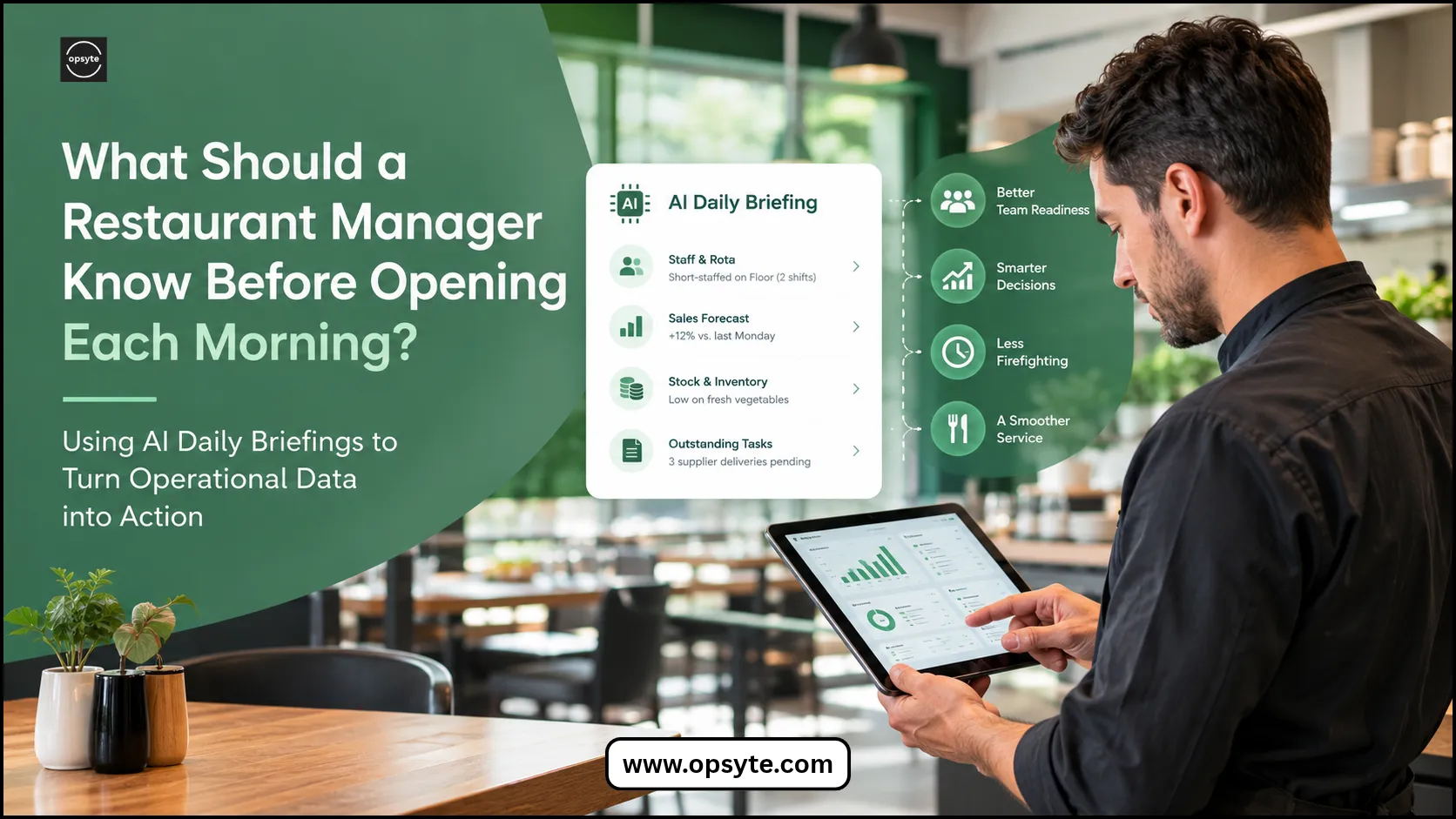
A daily operational briefing can help. By bringing important business information into one place, managers can see what needs attention before the restaurant opens. With tools such as Opsyte’s Operator AI, this process can become quicker and more useful, helping managers focus on decisions rather than chasing figures.
1. Look at Profitability, Not Just Yesterday’s Sales
Strong sales do not necessarily mean a restaurant has had a profitable day. A busy evening might generate good revenue, but unexpected overtime, higher ingredient costs or unnecessary staffing can eat into the margin.
Before opening, managers should look beyond the till total and ask a few straightforward questions. Did sales meet expectations? Were labour costs reasonable for the level of trade? Were there any unusual expenses? Did the cash-up balance correctly?
Consider a restaurant that took £4,500 yesterday. At first glance, that sounds like a successful trading day. However, if the team worked more hours than planned and supplier costs were higher than usual, the final result may be less impressive.
A daily briefing can help bring these figures together and draw attention to unusual results. Rather than spending the first hour of the morning searching through reports, the manager can start by investigating the figures that matter most.
The aim is simple: understand what happened yesterday and decide whether anything needs to change today.
2. Make Sure the Staff Rota Reflects the Day Ahead
A staff rota that worked last Tuesday may not work this Tuesday. Bookings change, employees call in sick, local events bring unexpected customers, and quieter trading periods can leave too many people on the clock.
Checking the rota before service gives managers time to deal with these problems before they affect customers or put unnecessary pressure on the team.
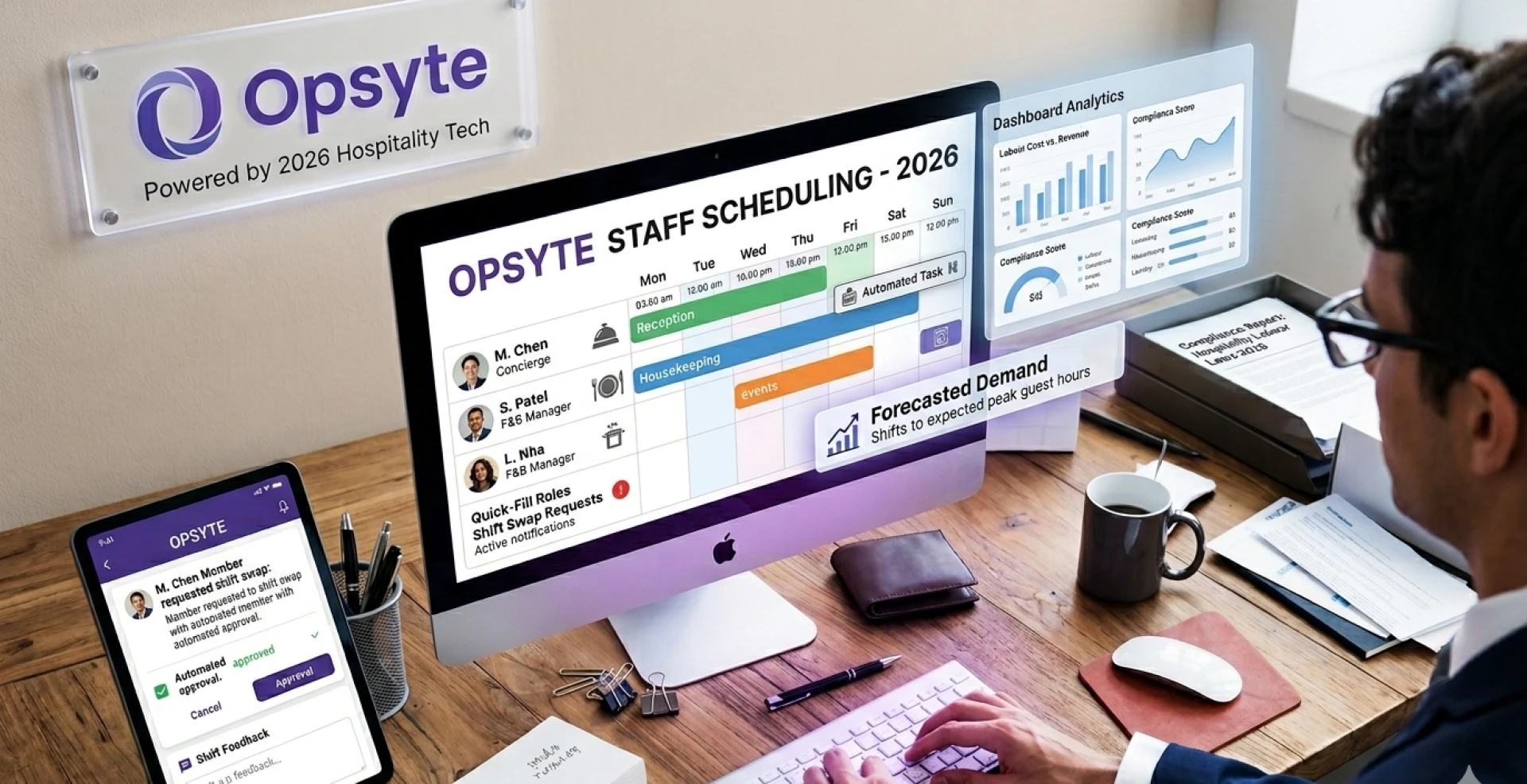
Using staff rota software, restaurant managers can organise shifts and keep track of staffing arrangements in one place. Having a clearer view of scheduled hours also makes it easier to compare planned staffing with actual demand and identify potential labour-cost problems.
For example, a restaurant expecting a quiet lunch might discover that bookings have increased considerably. The manager can review the available team and arrange suitable cover before the kitchen and front of house become busy.
The opposite matters just as much. If bookings are lower than expected, managers can review staffing arrangements while respecting contracts, employment requirements and employee needs.
The objective is not to cut hours wherever possible. It is to have the right people working at the right time, without letting wage costs get out of step with sales.
3. Check HR Tasks Before They Become a Problem
Not every staffing issue appears on a rota. A new employee might still need to complete onboarding paperwork, a contract might be awaiting a signature, or an employee record might need updating.
These tasks can easily be overlooked during a busy service. They become particularly difficult to manage when documents are scattered across email inboxes, shared folders and paper files.
Hospitality Hr Management Software helps businesses organise employee information and manage tasks such as digital contracts, e-signatures and onboarding documentation. Instead of trying to remember every outstanding item, managers can work from a more organised set of records.
Suitable Hr Software for Hospitality can also help multi-site businesses maintain more consistent HR processes across their venues.
A morning review is a useful opportunity to identify outstanding administrative tasks and assign responsibility for resolving them. For instance, if a new starter has incomplete paperwork, the manager can follow up before the next shift rather than discovering the issue at the last minute.
Daily briefings can bring these tasks to the manager’s attention, but sensitive employee matters still require appropriate judgement, confidentiality and human oversight.
4. Keep an Eye on Supplier Invoices and Rising Costs
Restaurant margins can be affected by small cost increases that go unnoticed for weeks. A supplier may raise the price of an ingredient, a delivery may contain an unexpected charge, or an invoice may remain unapproved while the accounts team waits for clarification.
Individually, these issues may seem minor. Across regular deliveries and several locations, however, they can make a noticeable difference to profitability.
Managers should check whether important invoices have been received, whether approvals are outstanding and whether any charges need investigating. Automated invoice processing can reduce the time spent entering information manually and help businesses keep their purchasing records organised.
When invoice information is reviewed alongside sales and financial reports, it becomes easier to understand why costs have changed. A rise in food expenditure, for example, might reflect higher supplier prices, increased purchasing or a change in the volume of business.
A daily briefing can help flag unusual expenditure or outstanding tasks, giving managers a reason to investigate before the next reporting period. It will not automatically explain every cost increase, but it can make the important questions easier to spot.
5. Use a Rota Template as a Starting Point, Not a Rulebook
Many restaurants have regular staffing patterns. The same employees might usually cover weekday lunches, while weekends require a larger team. Rebuilding these schedules from scratch every week wastes time.
A Rota Template gives managers a starting point for planning recurring shifts. It can make scheduling more consistent and reduce repetitive administration.
However, copying the same schedule without reviewing the week ahead can create problems. A bank holiday, local event, staff holiday or change in bookings may mean the usual staffing pattern is no longer suitable.
This is where rota software can help managers organise schedules and review staffing arrangements more efficiently. Rather than relying on a spreadsheet that quickly becomes outdated, they can manage rota information in a more structured way.
Templates are useful for routine planning, but they should leave room for changes in demand. Reviewing bookings, availability and expected trading before publishing the rota helps managers avoid preventable staffing problems.
6. Turn the Morning Review into Three or Four Clear Priorities
A report full of figures is not particularly helpful if the manager finishes reading it without knowing what to do next.
The best morning routine turns information into a short list of practical actions. These might include finding cover for a shift, investigating an unusual labour percentage, checking a supplier invoice or completing an outstanding onboarding task.
For example, a restaurant manager might discover that yesterday’s labour costs were higher than planned. Rather than immediately reducing staffing, they can check whether the restaurant experienced unexpected demand, overtime or a scheduling mismatch.
At the same time, a cash-up discrepancy may need to be investigated before the accounts are finalised. If the restaurant has a busy lunch service ahead, the manager also needs to make sure the team is ready.
Opsyte’s Operator AI can help bring operational information together in a daily briefing, making it easier to identify issues that deserve attention. Managers can then investigate the underlying records, decide which actions are appropriate and communicate priorities to their teams.
For restaurant groups, this can also help operations managers see which locations need support without having to chase every site for a separate update.
Conclusion
A restaurant manager should start the day knowing three things: how the business performed yesterday, what the team needs for today’s service and which outstanding issues could affect costs or operations.
Getting those answers should not require an hour of checking spreadsheets, emails and separate reports. Daily briefings can make the process more manageable by bringing important information into one place and highlighting areas that need attention.
With Opsyte, restaurant operators can connect everyday tasks such as staff scheduling and HR administration with a broader view of business performance. Combined with invoice processing, cash-up information and reporting, this gives managers a more practical way to oversee their operations.
The real benefit is not having another report to read. It is having the information needed to make better decisions before the day gets busy.






Sign in to leave a comment.