

A brighter smile can improve the appearance of your teeth and may help you feel more confident about your smile. When considering professional teeth whitening, it is important to understand how the process works, what preparation may be needed, and how aftercare can help maintain the result. Understanding factors that can influence teeth whitening cost can also help readers make informed decisions about the treatment and whether it suits their dental needs.
Understanding Teeth Whitening
Teeth whitening is a cosmetic dental treatment that lightens the appearance of natural teeth by reducing certain types of staining and discolouration. Teeth can become darker over time because of food, drinks, smoking, ageing, or changes within the tooth. Whitening does not permanently change the natural colour of teeth, and the outcome can vary depending on the type and depth of staining.
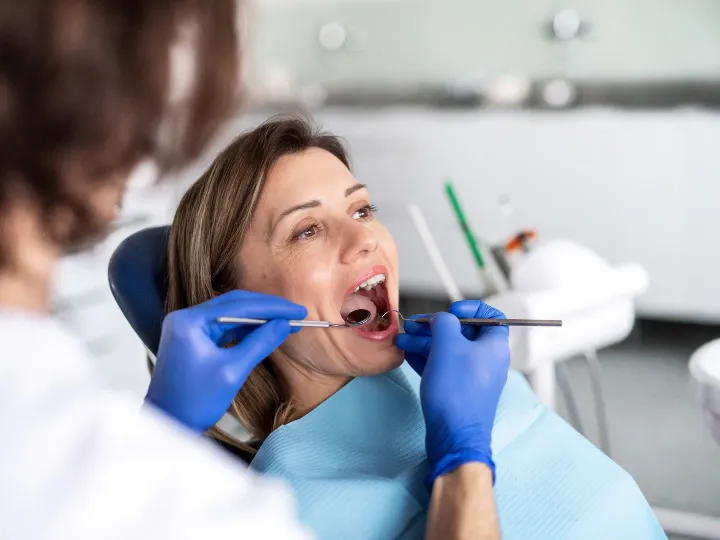
Before considering whitening, a dental assessment can help determine whether your teeth and gums are suitable for treatment. Existing dental concerns may need attention first, particularly when there are signs of decay, gum irritation, cracks, or other problems.
How Whitening Treatments Work
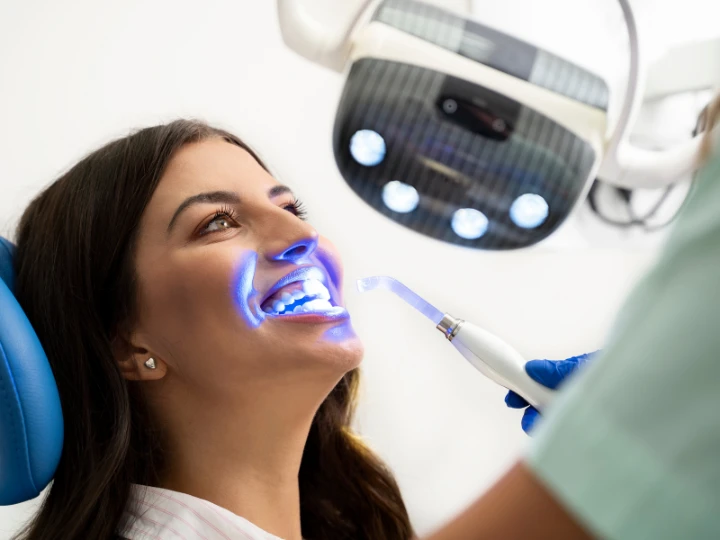
Whitening treatments generally use a bleaching agent that works on stains within the tooth structure. The active ingredients can break down certain compounds responsible for darker colouring, making the teeth appear lighter.
The treatment approach can vary depending on individual circumstances. Some people may receive treatment under professional supervision, while others may receive a customised approach for at-home use. The appropriate option depends on dental health, the type of staining, sensitivity, and the desired outcome.
Preparing Before Treatment
Good preparation can make whitening more comfortable. A dental professional may examine the teeth and gums before treatment to identify issues that could affect the process. Discuss any existing sensitivity beforehand.
Maintaining normal brushing and flossing habits is useful before treatment. However, whitening should not replace regular dental care. Clean teeth can also make it easier for a dental professional to assess the existing shade and identify areas of staining.
What Can Affect Whitening Results?
Several factors can influence how effectively teeth respond to whitening. Surface stains from certain foods and drinks may respond differently than deeper discolouration. Natural tooth colour, enamel condition, age, and previous dental treatment can also affect the final appearance.
Whitening generally affects natural tooth structure and may not change the colour of restorations such as crowns, fillings, or veneers. This matters for people with visible dental restorations because a shade difference may become more noticeable after whitening.
Managing Tooth Sensitivity
Temporary sensitivity can occur during or after whitening. Some people may notice discomfort when consuming hot, cold, sweet, or acidic foods and drinks. Sensitivity can vary by person and may depend on the condition of the teeth.
If you experience sensitivity, follow your dental professional’s advice to manage discomfort. Using suitable oral care products and avoiding very hot or cold foods for a short period may also be helpful. Discuss persistent or severe sensitivity with a dental professional rather than ignoring it.
Aftercare for Whiter Teeth
Aftercare plays an important role in maintaining the appearance of whitened teeth. Teeth may be more prone to staining soon after treatment, so limiting strongly coloured foods and drinks can be beneficial. Examples include coffee, tea, red wine, curry, and dark sauces.
Regular brushing with fluoride toothpaste and daily flossing can help keep the teeth clean. Drinking water after meals and rinsing the mouth can also help reduce the amount of staining material left on the teeth.
Understanding Treatment Costs
Overall teeth whitening costs can vary based on the treatment method, the condition of the teeth, the level of staining, and whether additional dental care is required. A consultation can help clarify what is appropriate for an individual situation.
Consider the suitability and safety of treatment rather than choosing an option based only on price. Professional guidance can help identify whether whitening is appropriate and whether another dental treatment may be needed first.
Maintaining a Healthy Smile
Whitening results naturally fade as teeth are exposed to everyday foods, drinks, and other staining sources. Good oral hygiene and regular dental check-ups can help maintain both the appearance and health of the teeth.
Avoiding tobacco products, moderating staining foods and drinks, and maintaining consistent brushing and flossing habits may help preserve a brighter appearance. Repeat whitening only as advised by your dentist, as unnecessary or excessive use may cause sensitivity or irritation.
Final Thoughts
Teeth whitening can be a useful cosmetic option for reducing certain types of tooth discolouration when it suits the individual. By understanding the treatment process, managing sensitivity, following appropriate aftercare, and considering factors that influence teeth whitening cost, readers can make more informed choices. With professional guidance and good oral hygiene, professional teeth whitening can be part of a sensible approach to maintaining a clean, brighter-looking smile.




















Sign in to leave a comment.