

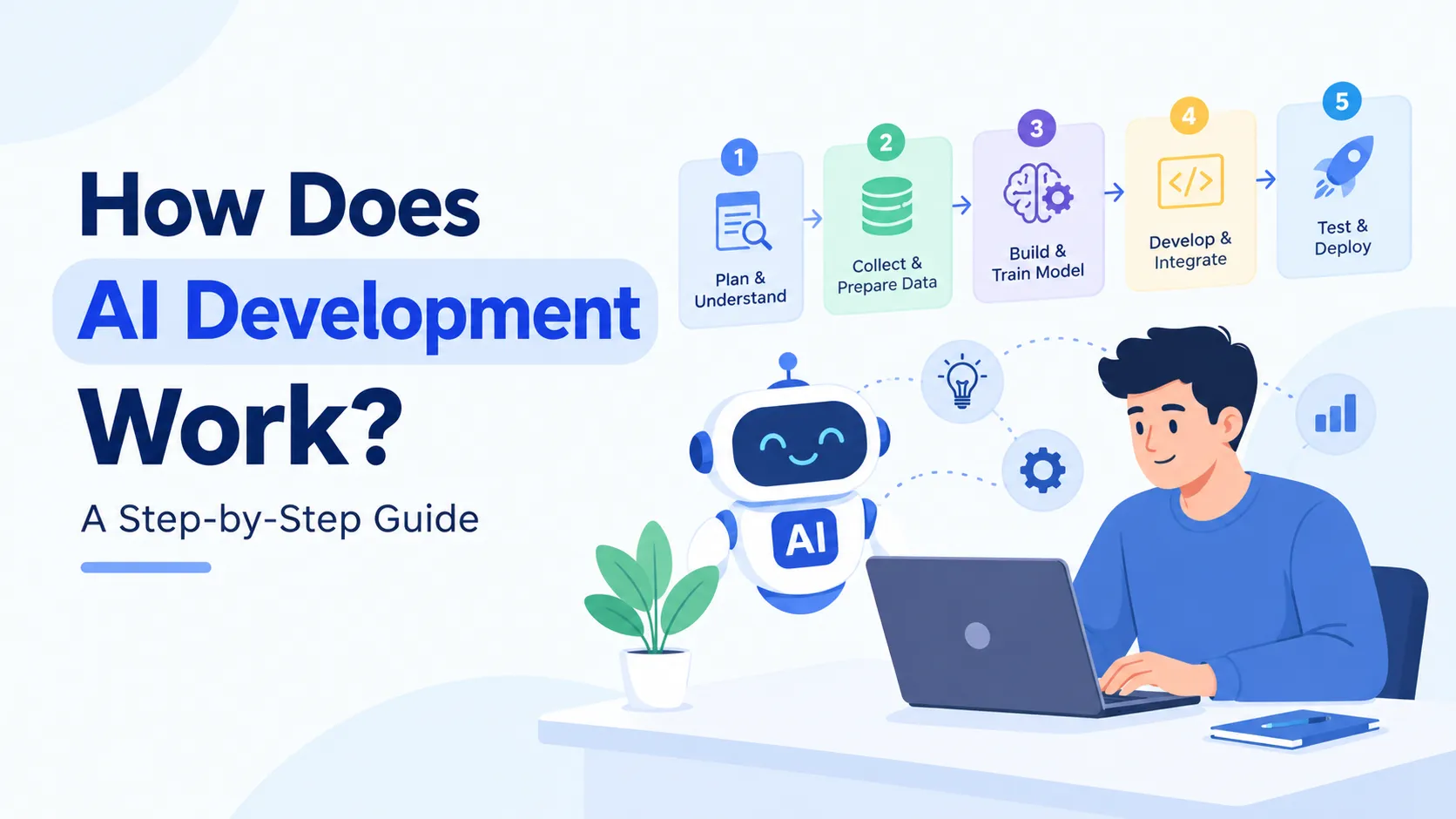
Artificial intelligence is becoming a practical part of everyday business operations. Companies are using AI to automate repetitive tasks, understand customer behavior, analyze large amounts of data, improve productivity, and build smarter digital products. But starting an AI project involves more than choosing a popular model or adding an AI feature to an existing application.
Before development begins, businesses need to understand their goals, data, technology environment, budget, and expected results.
Define the Business Problem First
A successful AI project starts with a clear business problem. Instead of adopting AI simply because it is trending, companies should identify where it can deliver measurable value.
For example, a business might want to reduce the time employees spend processing documents, improve customer support, or identify patterns in sales data. Once the goal is clear, the development team can determine whether AI is the right solution.
This approach also helps prevent unnecessary features and keeps the project focused on a specific outcome.
Make Sure Your Data Is Ready
Data is one of the most important foundations of an AI solution. Businesses should know what data they have, where it is stored, and whether it is accurate and useful for the intended application.
Depending on the project, data may need to be cleaned, organized, labeled, or brought together from multiple systems. Privacy and security should also be considered, especially when the solution handles customer or proprietary business information.
If the available data is incomplete or unreliable, those issues should be addressed before moving too far into development.
Choose the Right AI Approach
Not every business needs the same type of AI technology. A company working on demand forecasting may use predictive analytics, while another may need natural language processing for customer interactions or computer vision for image-based applications.
Generative AI can be useful for content creation, knowledge assistants, document analysis, and conversational tools. Some projects can use an existing model through an API, while others may require customization or integration with proprietary business data.
The right approach should be based on the actual business requirement rather than simply choosing the newest technology.
Consider Integration and Future Growth
An AI solution usually needs to work with the systems a business already uses. It may need to connect with databases, CRM platforms, websites, internal applications, or cloud infrastructure.
Scalability is another important consideration. A solution that performs well for a small team may need additional infrastructure and optimization as the number of users, requests, or data increases.
Planning for growth early can make future improvements easier and more cost-effective.
Find the Right Development Expertise
Companies without an in-house AI team may work with experienced AI Development Companies that can provide specialized technical expertise. Depending on the project, these teams can help with AI strategy, application development, model integration, testing, deployment, and ongoing maintenance.
When evaluating potential providers in the USA, businesses should look beyond a list of technologies. Relevant project experience, technical capabilities, communication, security practices, development processes, and post-launch support can all help determine whether a provider is a good fit.
Explore organizations offering AI development services in USA to understand their capabilities and areas of expertise.
Conclusion
Starting an AI project becomes much easier when businesses focus on the problem before choosing the technology. Clear objectives, reliable data, the right technical approach, proper integration, and ongoing support can all contribute to a successful implementation.
With a practical strategy, AI can become a valuable part of business operations instead of simply another technology experiment.



























Sign in to leave a comment.