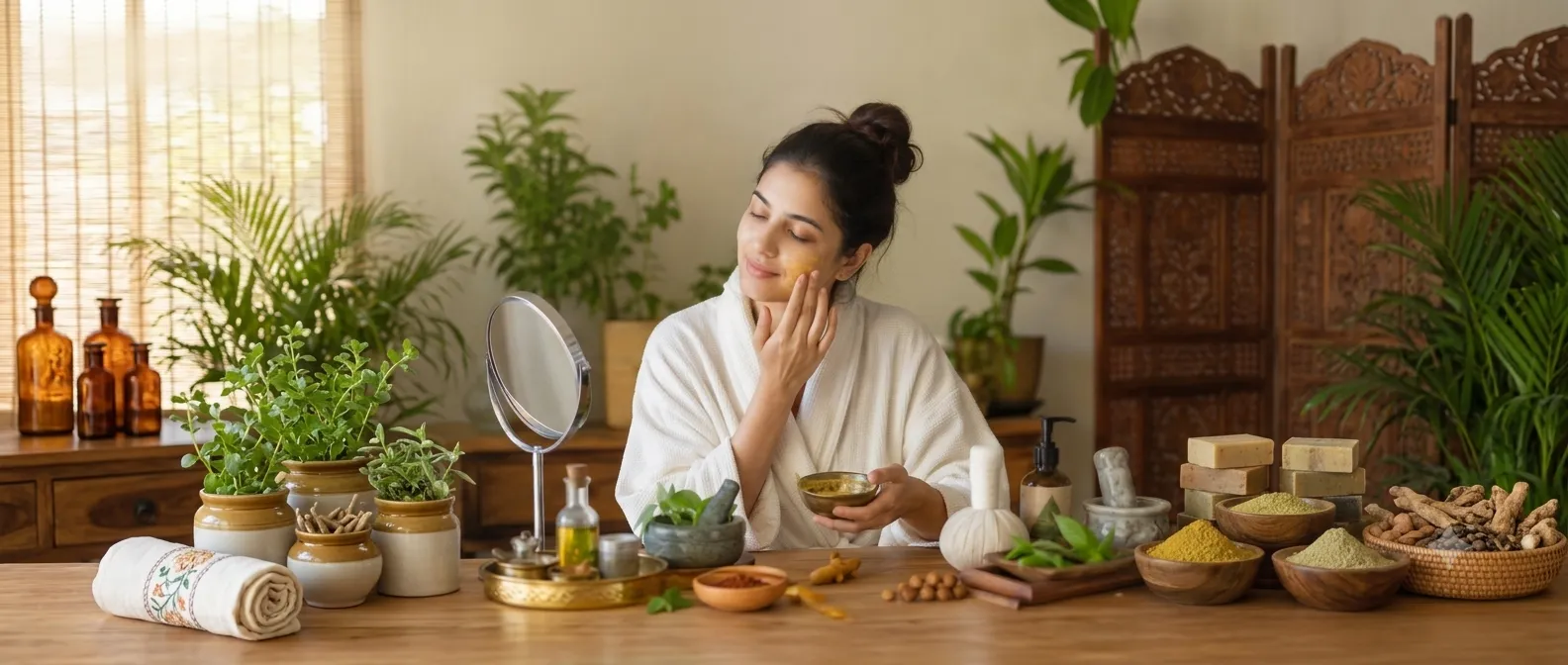

Dry skin can feel tight, flaky, and uncomfortable, especially when the lotion you reach for every morning is packed with synthetic fillers that barely scratch the surface. Finding the saffron face cream for glowing skin or the best organic body lotion for dry skin starts with understanding what your skin actually needs and what ingredients deliver real, lasting hydration.
Not all moisturizers are created equal. Some sit on top of the skin without ever truly absorbing, while others contain harsh chemicals that strip away natural oils over time. If you have chronically dry or sensitive skin, choosing the right lotion is less about branding and more about reading the label with a critical eye.
This guide breaks down exactly what dry skin types should prioritize when shopping for a body lotion, from key ingredients to certifications that actually matter.
Why Dry Skin Needs More Than Just Any Moisturizer
Dry skin lacks adequate lipids and moisture in the outermost layer. Standard lotions often rely on petroleum-based ingredients or silicones that create a temporary barrier but do not replenish what the skin is missing.
A truly effective natural body lotion for dry skin works on two fronts. It draws moisture into the skin (humectants) and locks it in (occlusives and emollients). Without this dual approach, relief is short-lived, and you find yourself reapplying constantly.
Plant-based body lotions with ingredients like shea butter, jojoba oil, and aloe vera tend to mimic the skin's natural lipid structure more closely than synthetic alternatives. That compatibility matters for long-term skin health.
Key Ingredients in the Best Organic Body Lotion for Dry Skin
When evaluating a lotion, flip it over and scan the ingredient list before anything else. Here are the ingredients worth looking for:
Humectants That Pull Moisture In
- Hyaluronic acid holds up to 1,000 times its weight in water and pulls hydration from the environment into your skin.
- Glycerin (plant-derived) is one of the most effective and gentle humectants available.
- Pure aloe vera gel soothes irritation while delivering lightweight hydration, making it ideal for sensitive dry skin.
If you regularly buy pure aloe vera gel for sunburns, consider using it as a base layer under your lotion for an extra moisture boost.
Emollients and Occlusives That Seal It In
- Shea butter is rich in fatty acids and vitamins A and E, deeply nourishing without clogging pores.
- Coconut oil provides a natural occlusive barrier, though it works best for body use rather than the face.
- Jojoba oil closely resembles human sebum, so the skin absorbs it quickly and comfortably.
- Cocoa butter offers intensive moisturizing and helps repair the skin's protective barrier.
The best natural body lotion combines both humectants and emollients in a balanced formula. One without the other leaves gaps in hydration.
What to Avoid if You Have Dry or Sensitive Skin
Knowing what to avoid is just as important as knowing what to look for. Many conventional lotions include ingredients that actively work against dry skin over time.
- Synthetic fragrances are one of the top skin irritants and can trigger allergic reactions or worsen dryness. A fragrance-free moisturizer for dry skin is almost always the safer choice.
- Parabens and sulfates can disrupt the skin's natural microbiome and strip essential oils.
- Alcohol (denatured) evaporates quickly and takes moisture with it, leaving skin drier than before.
- Artificial dyes serve no skincare function and can cause sensitivity.
A chemical-free body lotion or non-toxic body lotion eliminates these concerns entirely. Look for products that are transparent about every ingredient on the label.
Certifications and Labels That Actually Matter
The word "natural" on a label means almost nothing from a regulatory standpoint. Anyone can use it. When shopping for a certified organic lotion, look for legitimate third-party certifications.
- USDA Organic confirms that at least 95% of ingredients are organically produced.
- ECOCERT is an international certification for organic and natural cosmetics.
- Leaping Bunny or PETA certifications verify that a product is cruelty-free.
- Vegan certifications confirm no animal-derived ingredients are used.
A vegan body lotion for dry skin with proper certifications gives you confidence that what is on the label matches what is in the bottle. If a product carries a best organic body lotion for dry skin label along with recognized certifications, that is a strong sign of quality and ingredient integrity.
How to Apply Lotion for Maximum Hydration
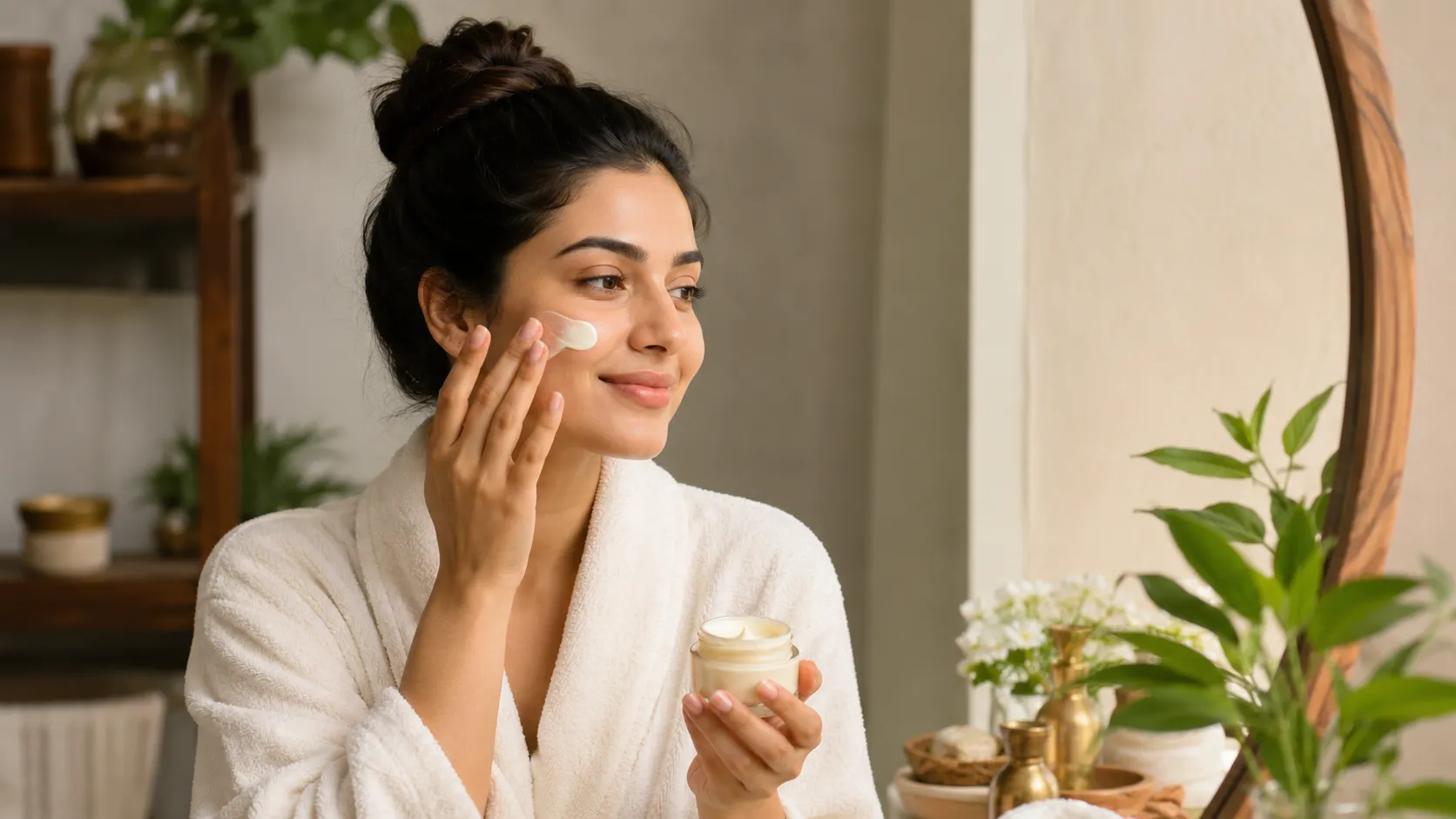
Even the best organic moisturizer for dry skin will underperform if applied incorrectly. Timing and technique make a noticeable difference.
- Apply within three minutes of showering. Damp skin absorbs lotion far more effectively than completely dry skin.
- Use gentle, upward strokes. This encourages absorption without pulling or irritating the skin.
- Layer strategically. Apply a lightweight humectant like aloe vera gel first, then follow with a richer cream or intensive body lotion to lock everything in.
- Reapply to problem areas. Elbows, knees, and shins tend to lose moisture faster and may need a second application during the day.
Consistency is more important than quantity. A thin layer applied daily will outperform a thick layer applied once a week.
Choosing Between Lotions, Creams, and Body Butters
Not all moisturizing formats work the same way, and the right choice depends on how dry your skin actually is.
- Lotions are lighter, absorb quickly, and work well for mildly dry skin or warmer months.
- Creams are thicker and offer more intensive hydration, making them suitable for moderately dry skin.
- Body butters are the heaviest option, ideal for severely dry or cracked skin, particularly during winter.
For everyday use, a natural moisturizing lotion strikes a good balance between hydration and wearability. If your skin is extremely dry or compromised, a pure organic body cream or butter applied at night gives your skin hours of uninterrupted repair time.
Choosing the right lotion for dry skin comes down to ingredients, formulation, and consistency. Prioritize plant-based humectants and emollients, avoid synthetic irritants, and look for legitimate certifications rather than marketing buzzwords.
Your skin is your largest organ, and it deserves products that nourish rather than just coat. Whether you prefer a lightweight hypoallergenic body lotion or a rich eco-friendly body moisturizer, the principles remain the same. Read the label, understand what each ingredient does, and give your skin what it genuinely needs to stay healthy and hydrated.
FAQs
What ingredients should I look for in an organic body lotion for dry skin?
Look for plant-based humectants like hyaluronic acid and glycerin combined with emollients such as shea butter and jojoba oil for deep, lasting hydration.
Is fragrance-free lotion better for dry skin?
Yes, synthetic fragrances are a leading cause of skin irritation, so fragrance-free formulas are generally safer and more effective for dry or sensitive skin.
When is the best time to apply lotion for dry skin?
Apply lotion within three minutes of showering while your skin is still damp, as this helps lock in significantly more moisture.


















Sign in to leave a comment.