

Choosing a destination wedding resort is an emotional decision, but confirming one should also be a well-informed one. Families often first notice the architecture, lawns, room photographs and décor possibilities. These are important, yet the written proposal is where the complete wedding experience becomes clear. Before paying an advance, couples should understand exactly what is included, what requires additional planning and how every function will operate across the celebration.
A well-prepared proposal does not take away the excitement of planning a wedding. It gives both families clarity. It helps them compare venues fairly, avoid last-minute assumptions and build a celebration that feels organised from the first guest arrival until the final farewell. For a residential celebration near Jaipur, the proposal should explain not only the event spaces but also accommodation, meals, timings, guest movement and the support available throughout the wedding.
Start With the Celebration Structure
The first thing to understand is the overall format of the wedding. Is it a one-day event, an overnight celebration or a two- or three-day wedding weekend? The answer influences room requirements, meal planning, function timings, entertainment and the use of different venues.
Families should share a tentative event flow before asking for a proposal. For example, the celebration may include a welcome lunch, mehendi, haldi, sangeet, wedding pheras, reception and a farewell breakfast. When the venue knows the expected sequence, it can suggest suitable indoor and outdoor areas instead of treating every event as an isolated booking.
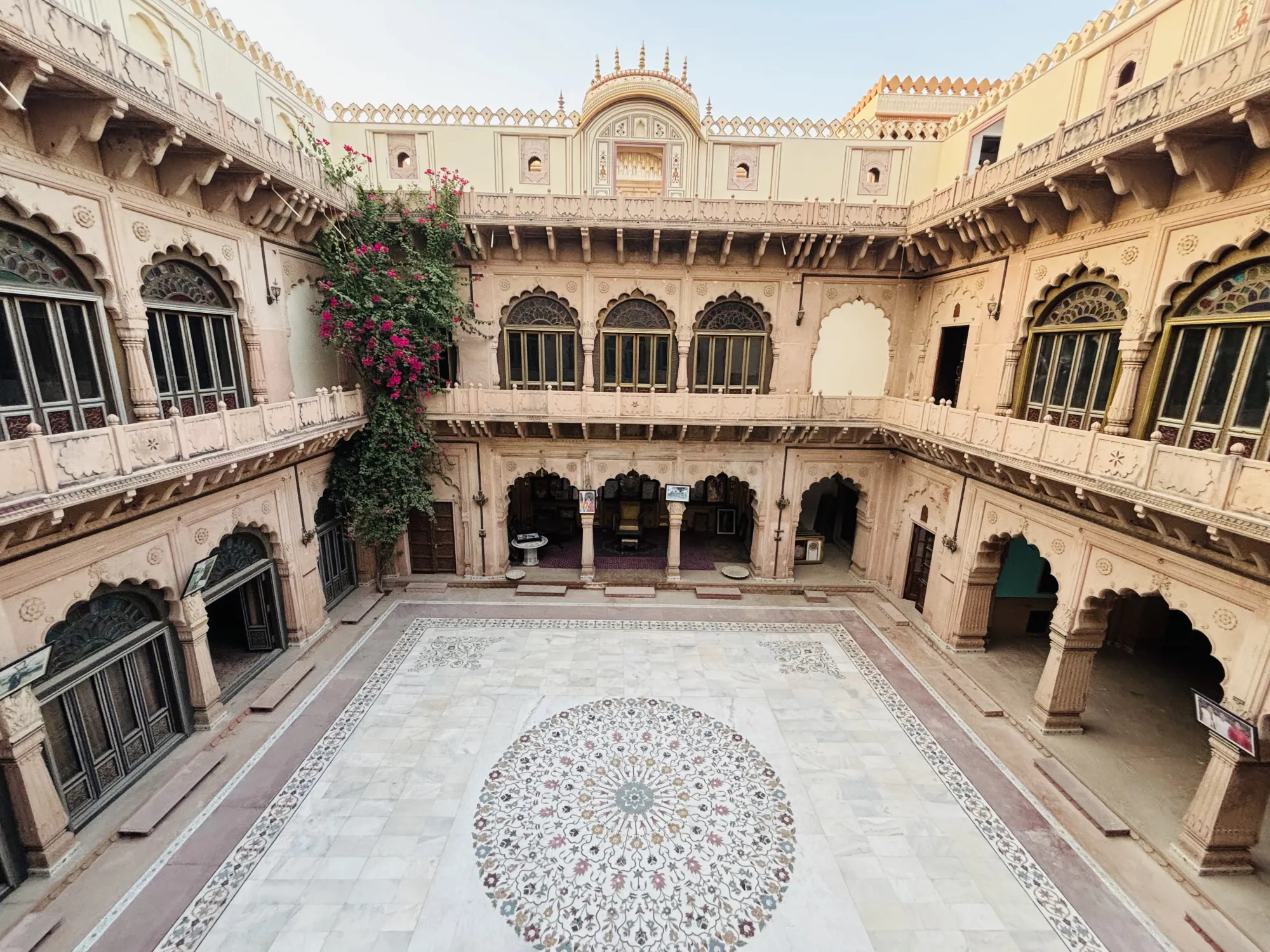
At Lohagarh Fort Resort’s Destination Wedding Resort in Jaipur, families can discuss how different functions can be arranged within one wedding destination. This makes it easier to think about the full guest journey rather than only the main wedding ceremony.
Confirm the Number of Room Nights, Not Only the Number of Rooms
Accommodation is one of the biggest parts of a destination wedding proposal. It is not enough to ask, “How many rooms are available?” Families should confirm how many rooms are blocked, for which dates and for how many nights.
A wedding with 120 guests may not require every guest to stay for the same duration. Some relatives may arrive a day early, while friends may check in on the day of the sangeet. Elderly guests may prefer to leave after the reception, whereas close family may stay until the farewell brunch. A proposal becomes more useful when it clearly separates room requirements by date.
It is also wise to ask about occupancy, extra bedding, room categories and the process for handling late additions. This avoids pressure when a few guests confirm close to the wedding date. The family can then make a rooming plan that feels thoughtful rather than rushed.
Look at Venue Use Function by Function
A destination wedding is not only about having a beautiful lawn or a grand hall. Each function needs a space that suits its mood, guest count and time of day. A lively sangeet may need a larger performance area, while a haldi function may feel better in a more relaxed, open setting. The pheras require a comfortable ceremony layout, and the reception may need sufficient guest seating, dining movement and stage visibility.
When reviewing a proposal, ask which spaces are proposed for each event and whether backup arrangements can be discussed for weather changes. Families should also understand the time available for décor installation, sound checks, photography setups and changeovers between functions.
A capable Luxury Wedding Venue in Jaipur helps couples think beyond a single attractive backdrop. It helps them plan an event flow where every celebration has its own identity while remaining easy for guests to attend.
Read Meal Inclusions Carefully
Food is remembered long after the celebration ends. However, meal planning can become confusing when inclusions are not discussed properly. A proposal should make it clear which meals are included for in-house guests and which meals are planned for function attendees.
Families can ask about welcome refreshments, breakfast, lunch, high tea, dinner, live counters, late-night snacks and the farewell meal. It is also helpful to discuss vegetarian preferences, children’s requirements, senior-friendly dishes and regional choices for guests travelling from different cities.
The aim is not to make every meal excessive. A good wedding menu follows the pace of the celebration. A daytime haldi may need refreshing lighter options, while a sangeet dinner can feel more festive and expansive. Clear meal planning ensures that guests are looked after without making the schedule feel heavy.
Understand What Is Included in Décor and Production
Décor is often the first visual element families imagine, but it is important to understand the difference between a concept image and the final approved arrangement. Before paying an advance, discuss whether the proposal includes basic setups, customised floral décor, stage design, lighting, seating, mandap arrangements, entry styling or only the venue space.
The same applies to sound, LED screens, dance floors, special effects, artist requirements and technical production. Families do not need to finalise every small item immediately, but they should understand how these elements will be planned and approved later.
This clarity makes it easier to create a realistic wedding budget. It also prevents last-minute decisions from affecting the overall experience or taking attention away from the couple.
Check Timings, Access and Guest Comfort
A destination wedding feels effortless when guests know where to go and when to be there. Ask about the expected function timings, sound regulations, access points, parking arrangements and the availability of indoor alternatives. These details may seem operational, but they strongly influence how smoothly an event feels.
Families should also consider elderly relatives, children and guests who may need short breaks between functions. When rooms, dining and venues are within the same property, guests can move at their own pace without repeated travel through the city.
This is one of the key benefits of choosing a 5-Star Resort in Jaipur. Beyond elegant surroundings, a 5-star resort offers an organised hospitality environment, experienced teams, comfortable accommodation, well-managed dining and the infrastructure needed for a multi-function celebration.
Ask About the Next Planning Steps
A proposal should also explain what happens after the advance is paid. Families should know who will coordinate the planning, when menu and décor discussions will take place, how final guest numbers are shared and when rooming details must be confirmed.
The best wedding planning experience is collaborative. Couples should feel free to share their priorities—whether that is a family-focused celebration, a traditional ceremony, a contemporary sangeet or a relaxed gathering with close friends. When expectations are clear early, the resort team can support the celebration in a more meaningful way.
A destination wedding proposal is not merely a quotation. It is the first working plan for a once-in-a-lifetime celebration. Reading it carefully helps families make a confident choice and gives the couple more freedom to enjoy the journey.
Frequently Asked Questions
What should I look for in a destination wedding resort proposal?
When reviewing a destination wedding resort proposal, focus on the inclusions such as accommodation details, meal planning, event spaces, and décor options. Ensure it clearly outlines the structure of your celebration, including function timings and guest movement, to avoid surprises later.
How do I confirm room availability for my wedding guests?
It's essential to ask for the number of rooms blocked for your wedding dates and the duration they are available. Additionally, inquire about occupancy limits, room categories, and how late additions will be handled to ensure a smooth accommodation plan for your guests.
What factors should I consider when planning event spaces for different functions?
Consider the mood, guest count, and time of day for each function when selecting event spaces. For example, a lively sangeet may require a larger area, while a haldi function might benefit from an open, relaxed setting. Discuss backup options for weather changes as well.
How can I ensure meal planning is clear in the wedding proposal?
Request clarity on which meals are included for in-house guests and those attending specific functions. Discuss options for welcome refreshments, dietary preferences, and meal pacing to ensure your guests are well catered for throughout the celebration.
What should I ask about the décor and production included in the proposal?
Inquire about what elements are included in the décor, such as basic setups, floral arrangements, and technical production like lighting and sound. Understanding these details helps you create a realistic budget and avoids last-minute changes that could disrupt your plans.
Why is guest comfort important for a destination wedding?
Guest comfort is crucial as it enhances the overall experience of your wedding. Consider factors like function timings, access points, and the availability of indoor alternatives to ensure that guests can enjoy the celebration without unnecessary stress or travel.
What are the next steps after receiving a wedding proposal?
After receiving a wedding proposal, clarify the next planning steps, including who will coordinate the details and when key discussions will occur. This ensures that everyone is on the same page and helps maintain a collaborative planning experience.



























Sign in to leave a comment.