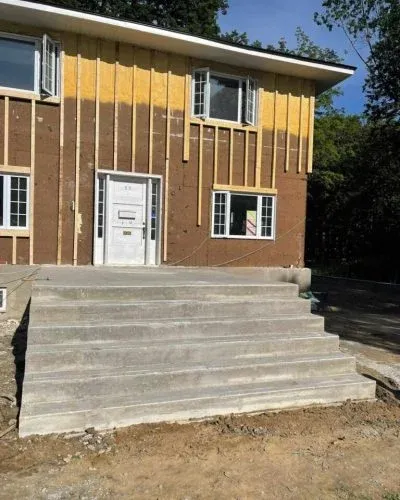

If you're thinking about updating your home's exterior, you've probably come across the term "exterior wall cladding" more than once. Maybe you're wondering what it actually is, or perhaps you're already convinced you need it but have no idea where to start. Either way, you're not alone. Choosing Exterior wall cladding is one of those decisions that can feel overwhelming because it touches on everything from your home's curb appeal to its structural integrity and long-term maintenance needs.
Let me break this down for you in a way that actually makes sense.
What Exactly Is Exterior Wall Cladding?
First things first – exterior wall cladding is essentially a protective layer you install over the outer walls of your house. Think of it as giving your home a new outfit that also happens to shield it from the elements. It covers the existing structure and serves both practical and aesthetic purposes. The exterior wall cladding sits on top of your walls and can be made from various materials, each with its own set of advantages and drawbacks.
The reason so many homeowners are investing in exterior wall cladding is straightforward: it protects your home while completely transforming how it looks. It's not just about vanity, though – it's genuinely about keeping your investment safe from rain, wind, sun damage, and all the other things nature throws at your house.
Why Consider Exterior Wall Cladding for Your Home?
Let's talk about why exterior wall cladding matters. Your home's exterior faces a lot of abuse. Every single day, it's dealing with UV rays, moisture, temperature swings, and weathering. Without proper protection, your underlying walls can deteriorate, leading to expensive structural problems down the road.
Here's what exterior wall cladding does for you:
Protection from the Elements – This is the big one. Good quality exterior wall cladding acts as a protective barrier, preventing water from penetrating your walls. Water damage is one of the most expensive problems homeowners face, so having that shield is genuinely valuable.
Energy Efficiency – Certain types of exterior wall cladding, especially those with proper insulation backing, can actually improve your home's energy efficiency. This means lower heating and cooling bills. Not every cladding option offers this, but it's worth asking about.
Curb Appeal – Let's be honest – how your home looks matters. Exterior wall cladding can completely transform a tired-looking property into something that makes you proud to come home to. Whether you're planning to sell or just want to enjoy your home more, this matters.
Increased Property Value – A well-executed exterior wall cladding project can genuinely increase your home's resale value. Buyers appreciate the visual upgrade and the protection it provides.
Low Maintenance – Depending on what material you choose, exterior wall cladding can dramatically reduce maintenance requirements compared to older siding options.
The Material Question – What Should Your Exterior Wall Cladding Be Made From?
This is where it gets interesting, because exterior wall cladding comes in several varieties, and each one has a different personality.
Fiber Cement Cladding – This is probably what most people think of when they imagine modern exterior wall cladding. It's made from cement, cellulose fibers, and sand, and it's genuinely durable. It can look like wood without the rot problems. It handles weather beautifully and can last 25-30 years or more. The catch? It's not the cheapest option, and it does need occasional maintenance.
Timber Cladding – If you love the natural look and feel, timber exterior wall cladding might call to you. There's something about wood that just feels warm and authentic. But here's the reality – it requires regular staining or painting, and if you don't maintain it properly, it will deteriorate. It's beautiful but demanding.
Metal Cladding – Usually aluminum or steel, metal exterior wall cladding is popular in contemporary designs. It's lightweight, durable, and relatively low-maintenance. It won't rot or be eaten by insects, which is nice. Some people find it a bit industrial for residential applications, but modern designs have really improved the aesthetics.
Brick and Stone Cladding – These are the classics. Genuine brick or stone exterior wall cladding gives a timeless, premium appearance. It's incredibly durable – we're talking 50+ years easily. The downside? It's expensive, heavy, and installation requires real expertise. Not every contractor should attempt it.
Composite Cladding – This is a newer option that combines wood fibers with plastic. Composite exterior wall cladding doesn't rot, resists insects, and requires minimal maintenance. It looks like wood without most of wood's problems. It's pricier than vinyl but less expensive than real timber or stone.
Vinyl Cladding – The budget-friendly option. Vinyl exterior wall cladding is affordable, easy to install, and comes in tons of colors and styles. The trade-off is longevity – it typically lasts 15-20 years, and it can look plasticky if you don't choose carefully. It also isn't ideal in extreme climates where temperature swings are dramatic.
Cost Considerations That Matter
Let's talk money, because exterior wall cladding is a significant investment. Prices vary wildly depending on the material you choose.
Vinyl is the most affordable, typically running $6-12 per square foot installed. Fiber cement comes in around $10-15 per square foot. Metal cladding usually falls into the $15-20 range. Real brick and stone? You're looking at $25-40+ per square foot. That's not including any structural preparation or additional insulation.
But here's what I want you to remember – the cheapest option isn't always the best value. A cheap exterior wall cladding system that needs replacement in 15 years has actually cost you more in the long run than a quality product that lasts 30 years. Think about the cost per year of protection, not just the upfront price.
You should also budget for removal of old siding and any wall prep work that might be needed. Sometimes what looks like a straightforward exterior wall cladding installation uncovers underlying issues that need addressing. It's frustrating when it happens, but it's much better to find and fix these problems than to cover them up.
Installation – Why It Matters More Than You Might Think
Here's something homeowners often underestimate: the quality of installation matters as much as the quality of the Exterior wall cladding material itself. I've seen beautiful, premium cladding ruined by poor installation, and I've seen modest materials look great because they were installed correctly.
Proper installation of exterior wall cladding means understanding things like moisture management, ventilation, thermal expansion, and fastening methods. It means knowing when and where to use flashings, when to leave gaps for movement, and how to handle corners and transitions properly. This isn't a job for weekend warriors – it's skilled work.
When you're getting quotes, ask contractors about their installation process. How do they handle moisture? What's their fastening system? How do they deal with thermal movement? Good contractors will have detailed answers. If someone seems vague about these details, keep looking.
Maintenance – What You'll Actually Need to Do
The maintenance requirements for your exterior wall cladding depend entirely on what material you choose. This is important information that should influence your decision.
Fiber cement needs occasional painting or sealing – maybe every 7-10 years. Timber needs regular staining or painting – ideally every 3-5 years. Metal and composite require almost no maintenance. Vinyl is easy – mostly just occasional cleaning. Brick and stone essentially take care of themselves, though mortar might need repointing eventually.
Think honestly about how much maintenance you're willing to do. Some people love the excuse to get outside and maintain their homes. Others find it tedious and expensive. Neither answer is wrong – it just changes which exterior wall cladding option makes sense for you.
Making Your Decision
Choosing the right exterior wall cladding isn't just about picking the most beautiful option or the cheapest one. It's about finding the right balance between aesthetics, budget, durability, and maintenance for your specific situation, climate, and lifestyle.
Consider your climate. Hot, sunny climates have different demands than areas with heavy snow or constant moisture. Think about your home's architectural style – what looks good on a contemporary house might look wrong on a traditional one. Be honest about your commitment to maintenance. Think about how long you plan to stay in your home.
If this feels like a lot to consider, that's because it is. This is why working with someone who understands exterior wall cladding thoroughly makes such a difference. Professional guidance can help you avoid expensive mistakes and ensure your investment actually delivers what you're hoping for.
When you're ready to move forward, companies like Tross Construction have the expertise to guide you through every step of this process. They understand the nuances of different exterior wall cladding systems, can assess your specific situation, and will help you make choices that align with both your goals and your budget.
The Bottom Line
Exterior wall cladding is a significant investment in your home's future. Take time to understand your options, ask good questions, and work with contractors who genuinely know what they're doing. The difference between a rushed decision and a thoughtful one often shows up years later – either as regret or as satisfaction.
Your home's exterior is what you see every day and what protects your investment. It deserves thoughtful consideration and quality execution. When you get it right, exterior wall cladding can be one of the best improvements you ever make to your home.




















Sign in to leave a comment.