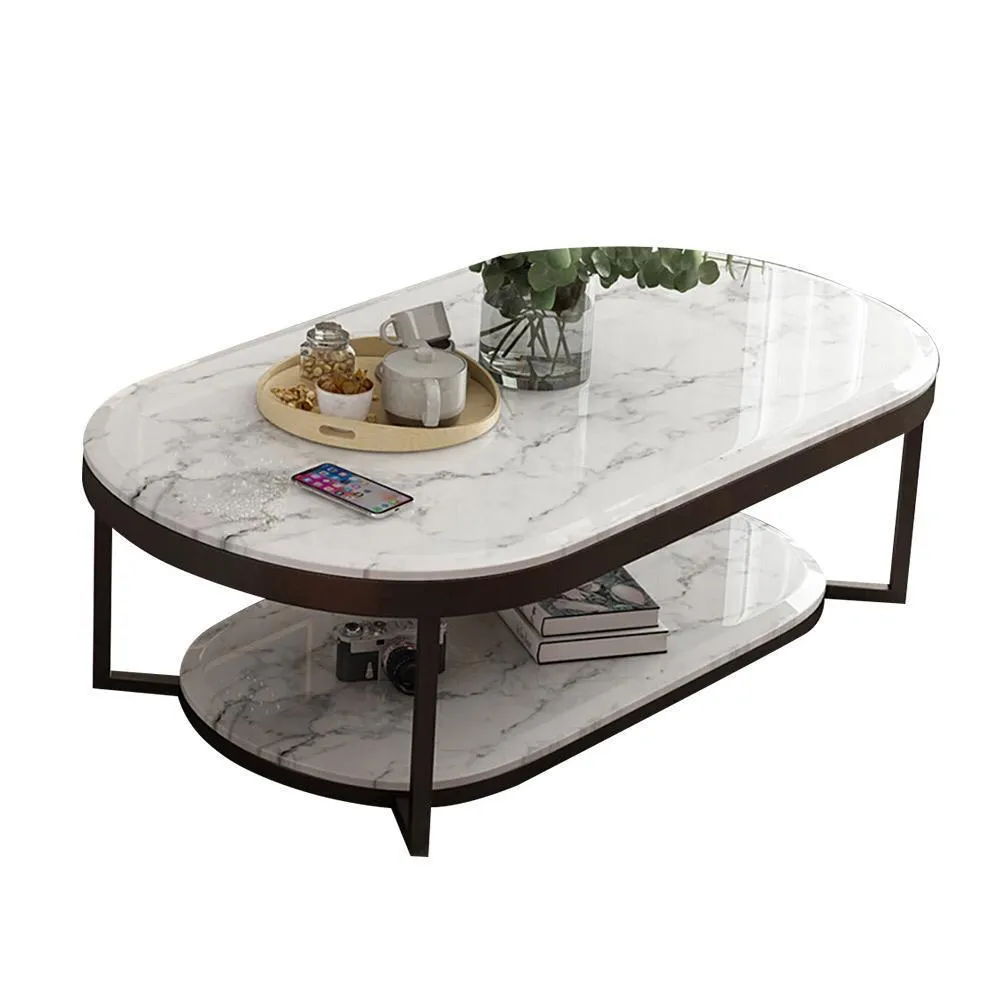

Custom furniture sounds straightforward at first. A buyer has a design idea, finds a manufacturer, discusses the requirements and places an order. In practice, there are quite a few details that can affect the final result.
This becomes even more important when furniture is being sourced internationally. The buyer and manufacturer may be working from different countries, using different measurement systems, communicating through photographs and documents, and dealing with transportation over long distances.
For anyone considering custom furniture sourcing, I think the most useful approach is to treat the process as product development rather than simply placing a furniture order.
Start With the Design, But Do Not Stop There
Most custom furniture projects begin with a design reference.
It could be a photograph, sketch, existing product or even a rough idea of what the buyer wants. This is a useful starting point, but a picture usually does not contain enough information for manufacturing.
The manufacturer may still need to know the exact dimensions, preferred materials, finish, construction details and intended use.
For example, saying that a table should be "similar to this image" leaves plenty of room for interpretation. The height, width, thickness, material and finish could all be understood differently.
A better approach is to use the reference image as the starting point and then create a simple written specification around it.
Be Specific About Dimensions
Dimensions can have a major effect on how furniture looks and functions.
A table that appears balanced in a photograph may feel completely different when its proportions are changed. The same applies to chairs, consoles, cabinets and other furniture pieces.
International buyers should clearly communicate measurements before production begins. It is also worth confirming the unit of measurement being used so there is no confusion between inches and centimetres.
When several products are being developed for one collection, documenting the dimensions of each item can also help maintain consistency.
Discuss Materials Before Finalizing the Product
Material selection is another area where assumptions can cause problems.
A buyer may have a particular material in mind because of its appearance, durability or price. However, the selected material can also affect the construction, weight and finishing process.
For example, changing one component from wood to metal may alter the overall appearance and construction requirements of a product.
This is why material selection should be discussed with the manufacturer before the design is treated as final.
Buyers should also clarify whether a specific material is essential or whether suitable alternatives can be considered.
Do Not Assume Every Custom Request Will Work Exactly as Shown
One thing I think buyers should understand about custom furniture manufacturing is that customization still has practical limits.
A design may look excellent in a reference image but require changes to make it suitable for actual production.
This does not necessarily mean that the design cannot be made. It may simply mean that certain dimensions, materials or construction details need to be adjusted.
Having this conversation early is much better than discovering the problem after production has started.
A useful discussion with the manufacturer can identify which parts of the design are fixed and where there is room for adjustment.
For buyers who want a deeper explanation of how this process works, this guide on custom furniture manufacturing covers several of these considerations.
Samples Can Be More Useful Than Long Discussions
One of the most practical steps in custom furniture sourcing is reviewing a sample before placing a large production order.
A sample gives the buyer something physical to evaluate.
Instead of trying to judge everything through photographs, the buyer can look at the actual dimensions, finish, materials, proportions and overall appearance.
This can be especially useful when the product is being developed for the first time.
If something does not look right, changes can be discussed before the entire order is produced.
Of course, a sample does not remove every possible production issue, but it gives both sides a much clearer reference.
Keep the Approved Specifications
Once a sample has been approved, the specifications should not simply disappear into old emails or messages.
Keeping a record of the approved product details can be very useful for future orders.
The documentation could include:
• Product dimensions
• Material details
• Finish requirements
• Design references
• Important construction details
• Approved sample information
This becomes particularly valuable if the buyer plans to reorder the same product later.
It also helps when a business gradually expands its furniture range and wants new products to follow an existing design direction.
Think About the Collection, Not Just Individual Products
If the goal is to develop several custom products, each item should not be considered completely separately.
A collection usually works better when there are some common elements connecting the products.
This could be the same material, finish, colour direction, shape language or selected design detail.
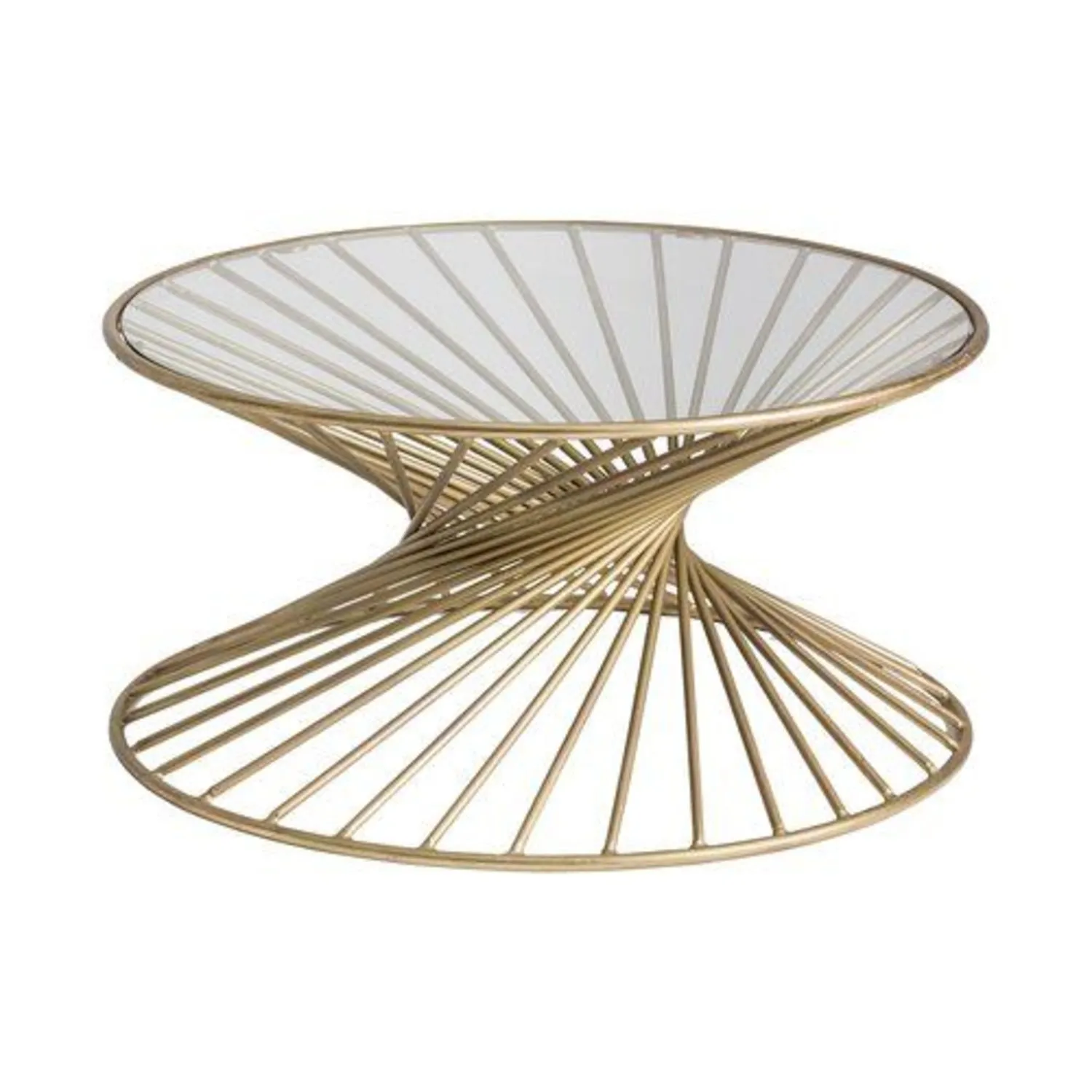
For example, a retailer may develop a coffee table, console table and side table. The products can have different dimensions and functions while still sharing a similar material and finish.
This is particularly relevant for businesses creating their own furniture ranges because customers generally expect products within the same collection to feel connected.
Packaging Should Be Discussed Early
Another detail that can easily be overlooked is packaging.
When furniture is being shipped internationally, it can go through several stages of transportation and handling. The packaging therefore needs to be appropriate for the size, shape and finishing of the product.
Buyers should discuss packaging expectations before the final production stage.
If the furniture has a delicate finish or unusual dimensions, that information may be important when deciding how the product should be prepared for transportation.
Retail businesses may also have specific packaging preferences for their own distribution process.
Leaving this discussion until the last minute can create unnecessary complications.
Price Should Not Be the Only Comparison
When comparing different furniture manufacturers, price will obviously matter. But for custom furniture, comparing only the quoted price can be misleading.
Two suppliers may appear to offer different prices because they are working with different materials, specifications, finishes or packaging requirements.
It is more useful to compare quotations against the same product specification.
Buyers can look at what is included, what needs to be developed, whether sampling is required and whether packaging requirements have been considered.
This makes the comparison more meaningful than simply choosing the lowest number.
Communication Matters More Than Many Buyers Expect
International sourcing involves communication across distance, time zones and sometimes language differences.
That makes clear documentation particularly important.
Instead of relying entirely on short messages, buyers can maintain a simple product specification document containing the agreed requirements.
When changes are made, the updated version should be clearly identified so that everyone is working from the same information.
This may sound like a small administrative detail, but it can make a significant difference when several products are being developed at the same time.
A Simple Approach for First Time Buyers
For someone ordering custom furniture internationally for the first time, I would keep the process fairly simple.
Start with one or a small number of products rather than trying to develop an entire collection immediately.
Prepare the basic design references and specifications.
Discuss the materials and finishes.
Ask the manufacturer whether the design is practical to produce.
Develop and review a sample where necessary.
Once the product is approved, document the final specifications and discuss bulk production and packaging.
This gives the buyer an opportunity to understand the manufacturer's process before expanding into a larger furniture collection.
























Sign in to leave a comment.