
Bushings play an important role in machinery by supporting moving parts, reducing friction, and helping components operate smoothly. However, choosing the wrong bushing material can lead to excessive wear, increased maintenance, noise, heat generation, or premature component failure. Since industrial machinery operates under different loads, speeds, temperatures, and environmental conditions, the right bushing should be selected according to the actual application rather than based only on size or price.
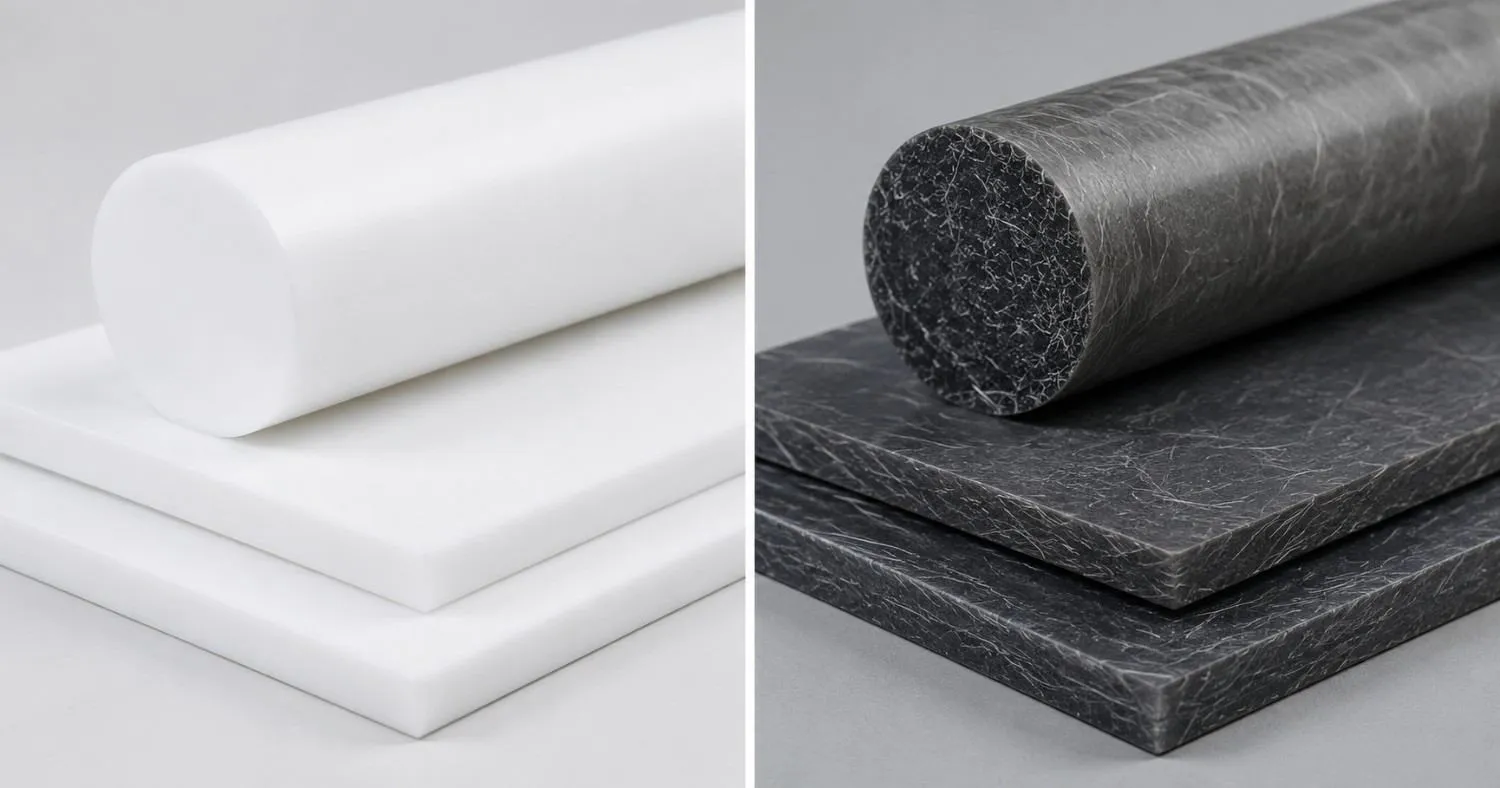
For applications where low friction, chemical resistance, and reliable movement are important, PTFE Bushes can be a suitable option. PTFE is known for its low-friction properties and resistance to many chemicals, making it useful in various industrial environments. However, selecting the right product requires more than simply choosing PTFE. Load, temperature, movement, lubrication, operating environment, dimensions, and expected service life should all be considered before making a decision.
Understand the Operating Conditions
The first step in selecting a bushing is to understand the environment in which it will operate. A bushing used in light machinery may face very different conditions from one installed in heavy industrial equipment.
Consider the operating temperature, applied load, movement speed, pressure, moisture, chemicals, dust, and frequency of movement. These factors directly affect how the bushing will perform. Understanding the actual working conditions helps narrow down the most suitable material and design.
Consider Friction and Wear
Friction is one of the main reasons bushings are used in machinery. Excessive friction can generate heat and accelerate component wear. If moving parts operate continuously, selecting a material with suitable friction characteristics becomes particularly important.
PTFE-based materials are widely considered for applications where low friction is required. Their characteristics can help support smoother movement and reduce dependence on external lubrication in suitable applications. However, the actual performance depends on the load, speed, mating surface, temperature, and design of the component.
Check the Load and Pressure
Every bushing has an operating limit. If the applied load is too high for the selected material or design, deformation and accelerated wear may occur.
Before selecting a bushing, determine whether the load is static, intermittent, or continuous. Also consider whether the load is evenly distributed or concentrated on a particular area. For demanding applications, reinforced PTFE grades or other suitable engineering materials may need to be considered.
Evaluate Temperature Requirements
Temperature can significantly influence material performance. Machinery operating near heat sources, processing equipment, automotive systems, or industrial production lines may expose bushings to changing or elevated temperatures.
Instead of looking only at the maximum temperature of a material, consider the complete operating environment. Pressure, load, movement, and exposure time can affect performance at elevated temperatures. Choosing a material based on the actual working conditions can help prevent unexpected deformation or premature wear.
Consider Chemical Exposure
Industrial machinery may come into contact with oils, solvents, chemicals, cleaning agents, water, or other substances. A bushing material that is not compatible with the surrounding environment may deteriorate over time.
PTFE is valued for its resistance to many chemicals, which makes it useful in applications where chemical exposure is a concern. Still, the exact chemical, concentration, temperature, and exposure duration should be considered before selecting the material.
Check Lubrication Requirements
Some bushings require regular lubrication, while others can operate with minimal or no external lubrication depending on the material and application.
If regular maintenance is difficult or machinery operates in areas where adding lubricant is inconvenient, a low-friction material may provide practical benefits. However, lubrication requirements should always be evaluated according to the specific design, load, speed, and mating materials.
Choose the Correct Dimensions
Even a high-quality bushing may not perform correctly if its dimensions are unsuitable. Internal diameter, external diameter, length, wall thickness, and tolerance can all affect how the component fits and operates.
The bushing should match the shaft and housing dimensions accurately. Incorrect clearance can cause excessive movement, friction, heat, or premature wear. For custom machinery, discuss dimensional requirements with the manufacturer before production.
Consider Material Quality and Manufacturing Consistency
The quality of the raw material and manufacturing process can influence the consistency and service life of industrial bushings. Variations in material composition, dimensions, or machining quality may affect how the finished component performs.
When sourcing PTFE-based components, working with an experienced ptfe sheet manufacturer india can also be useful when the application requires material knowledge, custom dimensions, or specific engineering requirements. A manufacturer with suitable technical capabilities can help identify an appropriate material and provide products according to required specifications.
Think About the Application and Service Life
A bushing should be selected according to the expected working life of the machinery. Replacing components frequently can increase maintenance costs and production downtime.
Consider how often the machine operates, how frequently the bushing moves, the expected load, and the consequences of component failure. A suitable material may help provide more consistent performance and reduce unnecessary maintenance when correctly matched to the application.
Avoid Choosing Only on Price
Price is an important factor, but it should not be the only consideration. A lower-cost bushing may become expensive if it wears quickly, requires frequent replacement, or causes downtime.
Instead, compare material suitability, dimensions, quality, expected service life, maintenance requirements, and application performance. Looking at the overall value can help businesses make a more practical purchasing decision.
Conclusion
Selecting the right bushing for machinery requires an understanding of the actual operating conditions. Friction, load, temperature, chemicals, lubrication, dimensions, material quality, and expected service life all play an important role.
For applications requiring low friction and chemical resistance, PTFE-based solutions can be considered when their properties match the operating requirements. By discussing technical specifications with a reliable manufacturer and selecting the material based on real working conditions, businesses can reduce premature wear, improve component reliability, and avoid unnecessary maintenance problems.



























Sign in to leave a comment.