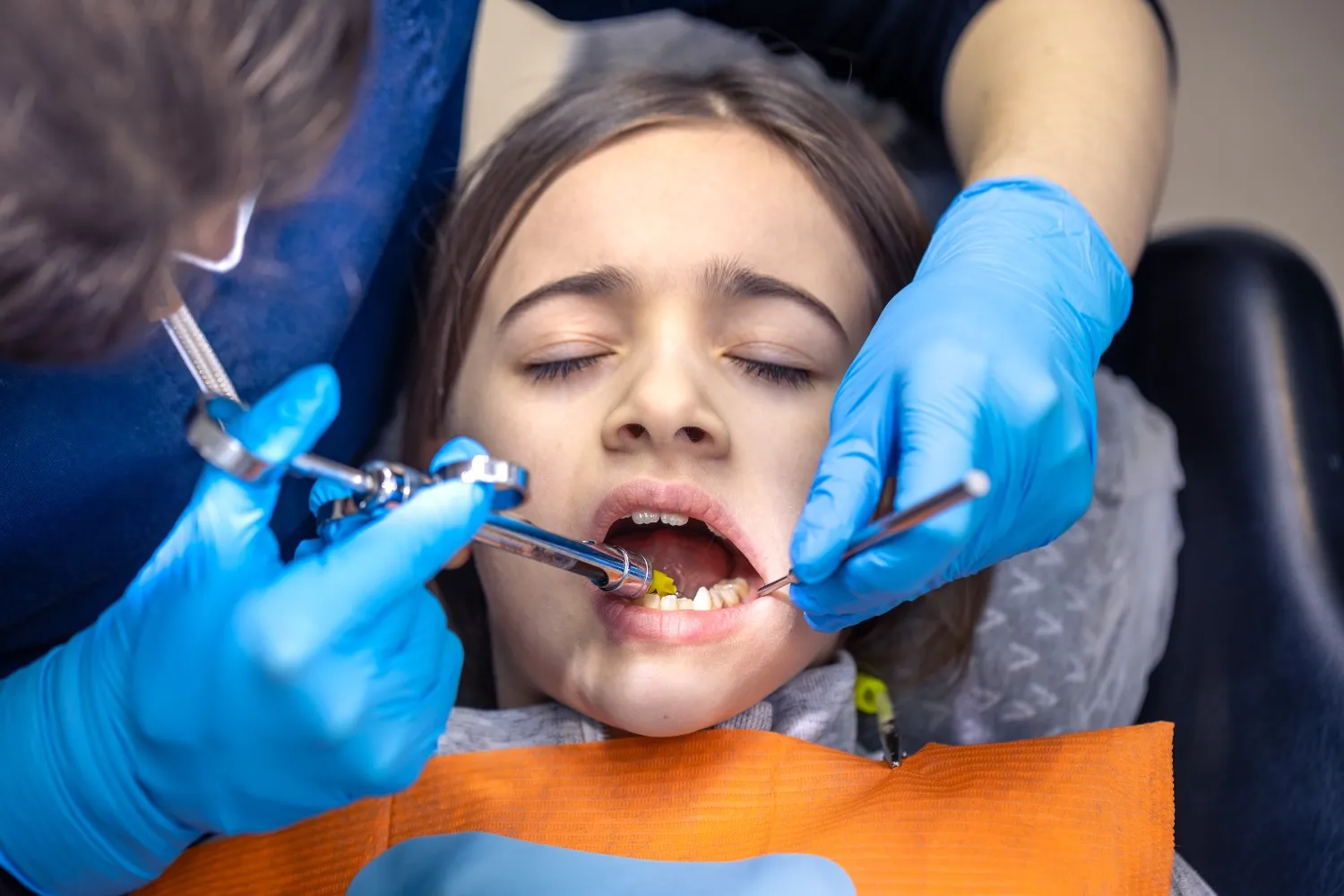

Few things stress a parent out quite like a child who flat-out refuses to sit in a dental chair. Tears, tantrums, clenched jaws, and the dreaded "I'm not going!" can turn a routine checkup into a full-blown battle. The good news is that finding a dentist for anxious children can completely change the experience for both you and your child.
Dental anxiety in children is far more common than most parents realize. Studies suggest that up to 20 percent of kids experience some level of dental phobia, and it often starts before they ever have a negative experience. Understanding why your child is afraid and knowing what options exist can help you guide them toward a lifetime of healthy dental habits instead of avoidance.
Why Children Develop a Fear of the Dentist
Before you can help your child, it helps to understand the root of the fear. Children process the world differently than adults, and a dental office is full of unfamiliar sounds, smells, and sensations that can feel overwhelming.
Some kids are frightened by stories from older siblings or classmates. Others pick up on a parent's own anxiety. And for children with sensory sensitivities or special needs, the bright lights and vibrating instruments can be genuinely distressing.
The key takeaway is that dental phobia in children is real and valid. Dismissing the fear or forcing your child through an appointment rarely fixes the problem. It usually makes it worse.
Practical Steps to Help an Anxious Child Before the Appointment
Preparation is one of the most effective calming techniques a parent can use. A few simple strategies at home can set the tone long before you pull into the parking lot.
Talk About the Visit Honestly
Avoid using words like "pain," "shot," or "drill." Instead, explain that the dentist will count their teeth and make sure their smile is healthy. Keep the conversation casual and positive without over-promising that nothing will happen.
Read Books or Watch Videos About Dental Visits
There are dozens of age-appropriate books and cartoons that normalize going to the dentist. Letting your child see a familiar character sit in the chair builds a sense of comfort through familiarity.
Play Pretend Dentist at Home
Use a toothbrush and a mirror to role-play a dental exam. Let your child be the dentist first so they feel a sense of control. This type of child dental fear desensitization works especially well with toddlers and preschoolers.
Choosing the Right Dentist for Anxious Children
Not every dental practice is equipped to handle a fearful child. A supportive pediatric dentist trained in child behavior management dentistry will have specific tools and techniques that a general office may not offer.
Look for a kid-friendly dental office with a warm waiting room, a gentle approach, and staff who genuinely enjoy working with nervous children. Many pediatric practices offer pre-visit tours so your child can explore the space without any pressure. If you want to learn more about providers who specialize in this approach, reading about who is Dr Sheryl George is a great starting point.
A practice that prioritizes comfortable pediatric dental care will also communicate openly with you about your child's treatment plan, answer every question, and never rush through an appointment.
What Are the Sedation Options for Nervous Children?
When behavioral strategies alone are not enough, sedation dentistry for children offers a safe and effective alternative. There are several levels of sedation, and the right choice depends on your child's age, anxiety level, and the procedure being performed.
Nitrous Oxide (Laughing Gas)
Nitrous oxide for anxious kids is the mildest form of sedation. Your child breathes it in through a small mask, feels relaxed within minutes, and recovers almost immediately after the mask is removed. It is ideal for mild to moderate anxiety during cleanings or minor procedures.
Oral Sedation
For children with stronger dental phobia, oral sedation involves a liquid medication given before the appointment. The child stays awake but feels drowsy and calm. This option is commonly used for longer procedures such as a baby root canal pulpotomy or multiple fillings in one visit.
General Anesthesia
In rare cases, particularly for very young children or those with special needs, general anesthesia may be recommended. This is performed in a controlled medical setting with an anesthesiologist present and is reserved for situations where other methods are not appropriate.
How to Help Your Anxious Child During the Appointment
Even with the right dentist and the right preparation, the day of the appointment can still feel nerve-wracking. Here are a few things you can do in the moment.
- Stay calm yourself. Children mirror their parents' emotions, so a relaxed demeanor goes a long way.
- Bring a comfort item like a favorite stuffed animal or blanket.
- Let the dental team lead. Pediatric dentists are trained in behavioral pediatric dentistry and often communicate more effectively with your child when they can build their own rapport.
- Celebrate afterward. A trip to the park or a small reward reinforces the idea that dental visits lead to positive outcomes.
If your child still refuses to open their mouth, a good pediatric dentist will not force the issue. They may suggest a "happy visit" where the child simply sits in the chair, meets the team, and leaves without any treatment. These desensitization visits build trust over time.
When Dental Anxiety Requires Professional Support
Some children have anxiety that goes beyond typical nervousness. If your child experiences panic attacks, physical symptoms like nausea, or extreme avoidance behavior around dental visits, it may be worth speaking to your pediatrician.
Cognitive behavioral therapy for dental anxiety in kids has shown strong results in clinical studies. A therapist can help your child develop coping strategies that extend well beyond the dental chair. Pairing professional mental health support with an anxiety-friendly children's dentist gives your child the best chance of overcoming their fear for good.
A child who refuses the dentist is not being difficult. They are communicating a very real fear, and the way parents respond in those early years shapes their relationship with dental care for life. With the right preparation, the right provider, and the right level of patience, even the most anxious child can learn that the dentist is a safe place.
Start small, stay consistent, and never underestimate the power of a gentle, experienced pediatric dental team. Your child's healthy smile is absolutely worth the effort.
Frequently Asked Questions
1. How do I get my anxious child to go to the dentist?
Start with honest conversations, role-play at home, and choose a pediatric dentist experienced in working with nervous children.
2. Is sedation safe for children at the dentist?
Yes, pediatric sedation options like nitrous oxide and oral sedation are considered safe when administered by a trained pediatric dental professional.
3. What age should a child first visit the dentist?
The American Academy of Pediatric Dentistry recommends a first visit by age one or within six months of the first tooth appearing.
4. Can a child overcome dental phobia?
Absolutely, with gradual desensitization, a supportive dental team, and sometimes cognitive behavioral therapy, most children can overcome their fear.
























Sign in to leave a comment.