What Should You Include In A Gluten Free Foods List?

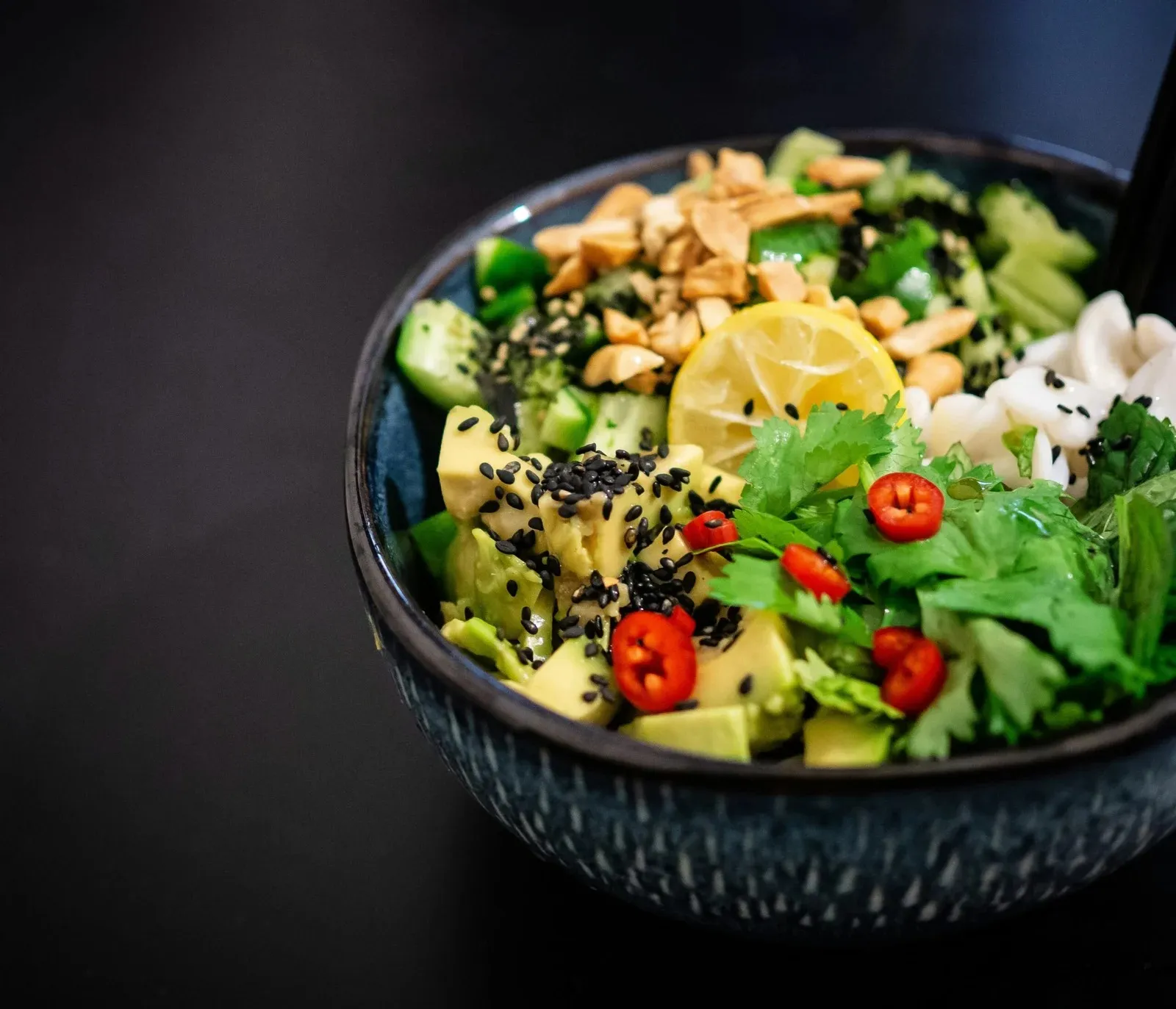
Most gluten-free lists get one thing wrong. They tell you what to eat and say almost nothing about what quietly ruins the meal. A solid gluten free foods list is half "yes" and half "check first," and that second half is where people get burned. Mine has three columns. Yours should too.
Let's build one that survives a grocery run, a restaurant menu and a vacation. I'm not a doctor, and if you have celiac disease, your physician or dietitian gets the final word. Treat this as the practical layer on top of their advice.

Key Takeaways
- Build your list around whole, single-ingredient foods first. They carry the lowest risk.
- Split everything into three groups: safe, check first, and avoid.
- Learn the hidden sources of gluten. Soy sauce and malt trip up beginners constantly.
- Read labels carefully. "Wheat-free" does not mean gluten-free.
- Your list covers groceries. Restaurants and travel need a second layer of questions.
What Foods Belong on Every Gluten-Free List?
Start with naturally gluten-free whole foods. Single-ingredient items carry the lowest risk because nothing has been added that could hide gluten.
Here's the core of your "safe" column:
- Fresh fruit and vegetables
- Plain, unprocessed meat and fish
- Eggs
- Plain milk, butter and most hard cheeses
- Rice, corn and potatoes
- Beans, lentils and chickpeas
- Quinoa, millet and buckwheat (despite the name, buckwheat isn't wheat)
Yeah, but isn't that boring? A little, until you cook with it. A roasted chicken with potatoes and a big salad is dinner, and nobody at the table needs a label to know it's safe. Flavored rice mixes and frozen vegetables in sauce are a different story, so they move to the second column.
Oats deserve their own warning. They're naturally gluten-free, but they're often processed alongside wheat, so look for oats labeled gluten-free. I'd put plain oats in "check first" every time.
Which Ingredients Hide Gluten?
Gluten hides in sauces, broths, seasonings and processed foods. Soy sauce and malt are the usual offenders.
This is the column most lists skip. A quick reference:
| Ingredient | Why it's a problem |
| Soy sauce | Traditionally brewed with wheat |
| Malt and malt vinegar | Made from barley |
| Broth and bouillon | Some versions include wheat-based additives |
| Salad dressings and marinades | Often thickened or flavored with gluten-containing ingredients |
| Beer | Usually brewed with barley |
| Imitation crab | Can contain wheat-based fillers |
| Spice blends | May include fillers or anti-caking agents |
Notice the pattern. Anything that's been mixed, thickened, marinated or fermented deserves a second look. If you've ever wondered why a "plain" grilled dish made someone sick, the marinade is usually the answer.
How Do You Read a Gluten-Free Label?
In the United States, a food labeled "gluten-free" must contain less than 20 parts per million of gluten. That's the standard worth trusting, and it's a good reason to prefer labeled products when you're buying packaged food.
Be wary of look-alike phrases. "Wheat-free" only tells you about wheat, and a product can still contain barley or rye. Allergen statements flag wheat, but barley and rye don't have to be called out, so a clean allergen box doesn't clear a product.
My rule: if the label doesn't say gluten-free and the ingredient list has anything you can't identify, it goes in the "check first" column. Check the manufacturer's website or skip it. Recipes and formulas change, so a product you trusted last year deserves a fresh look.
Why Does Cross-Contact Belong on Your List?
Because safe food in an unsafe kitchen is no longer safe food. Cross-contact happens when gluten transfers from one surface, tool or oil to another, and it's the leading reason careful eaters still get sick.
Let's say you order fries at a casual spot. Potatoes are naturally gluten-free, so you assume you're fine. If the same fryer cooks breaded chicken, the oil carries gluten to your plate. Same story with a shared toaster, a cutting board or a pasta strainer at home.
Add a short "kitchen" section to your list:
- Separate toaster or toaster bags
- Dedicated cutting board and wooden spoons
- Clean colander, never the pasta one
- Squeeze bottles instead of shared jars for butter and condiments
It feels fussy for about a week. After that it's just how your kitchen works.
How Do You Use a Gluten Free Travel Guide Dallas Visitors Can Trust?
A good gluten free travel guide Dallas can trust goes beyond a list of restaurants with a GF symbol on the menu. It tells you which kitchens actually understand cross-contact. Your foods list gets you to the door. The questions you ask get you through it.
Before you sit down anywhere, ask a few things:
- Do you have a dedicated fryer?
- Is there a separate prep area for gluten-free orders?
- Which sauces and dressings contain soy sauce or flour?
- Does your staff know the difference between a preference and a medical need?
The way someone answers tells you more than the menu does. A confident, specific reply is a good sign. A shrug or a "we think so" means you should order something simple or eat elsewhere. In my experience, restaurants that handle this well are happy to be asked.
What Makes a Gluten Free Accommodating Tour Different?
A gluten free accommodating tour usually modifies a regular route to fit your diet. A tour where every stop is gluten-free removes the guesswork, because the vetting happens before you arrive.
The difference is bigger than it sounds. On an accommodating tour, you're still the one flagging problems at each stop, and you're doing it on a crowded sidewalk with a group watching. That's exhausting, and it's the opposite of a vacation.
Incloodie Food Tour takes the other approach. Every stop on its Oak Cliff walking route serves gluten-free food, and founder Lauren Williams built it after her own diagnosis at 22. Still, tell your guide about your sensitivity level up front. Someone avoiding gluten by preference and someone with celiac disease have different needs, and a good guide wants to know. The Tejano Trails Tour runs Tuesday and Saturday, and tickets stay on sale until 9 am on the day.
How Should You Organize the List Itself?
Use three columns and keep it on your phone. Sorting by risk beats sorting by food group, because risk is what you'll be deciding on in a store aisle.
| Column | What goes in it | Example |
| Green: safe | Whole, single-ingredient foods | Fresh vegetables, eggs, plain meat |
| Yellow: check first | Packaged, mixed or restaurant foods | Oats, sauces, broth, fries |
| Red: avoid | Foods made with gluten-containing grains | Regular bread, pasta, beer |
Review it every few months. Add the brands you've vetted, the restaurants you trust and the questions that worked. A list that grows with you beats a perfect one you never open.

Conclusion
A useful gluten-free list is a decision tool, not a shopping inventory. It sorts the world into safe, suspect and off-limits, so you stop relitigating every meal.
That's the thinking behind the Incloodie Food Tour too. When every stop on a route is gluten-free, you spend your attention on the food, the murals and the neighborhood's history instead of interrogating menus. If you're visiting Dallas or you live nearby and want to see what a worry-free meal feels like, it's worth a Tuesday or Saturday.
Here's your action plan:
- Write your green column first: whole foods you already love.
- Add the hidden sources from the table to your yellow column.
- Learn the label rules, especially the "gluten-free" standard and the "wheat-free" trap.
- Write five questions to ask in any kitchen, and use them every time.
- Before your next trip, find a venue or tour that handles the vetting for you.
Go build the list. Then go eat something good.
FAQs
What foods are naturally gluten-free?
Fresh fruit and vegetables, plain meat, fish, eggs, most dairy, rice, corn, potatoes, beans and lentils are naturally gluten-free. Packaged and mixed versions of these foods need a label check.
Is "wheat-free" the same as gluten-free?
No. A wheat-free product can still contain barley or rye, which also contain gluten. Look for a "gluten-free" label instead.
What is cross-contact and why does it matter?
Cross-contact is when gluten transfers from one food, surface or oil to another. It can make a naturally gluten-free dish unsafe, which is why shared fryers and toasters matter.
Can I find a gluten-free food tour in Dallas?
Yes. Incloodie Food Tour runs a gluten-free walking tour in Oak Cliff, with every stop serving gluten-free food.



Sign in to leave a comment.