

Cancer treatment requires an accurate diagnosis, an individualised treatment plan, and continuous medical support. Chemotherapy is an important treatment option for several types of cancer and may be used alone or alongside surgery, radiation therapy, targeted therapy, or immunotherapy. Understanding how chemotherapy works, what to expect during treatment, and how side effects are managed can help patients prepare for their care journey.
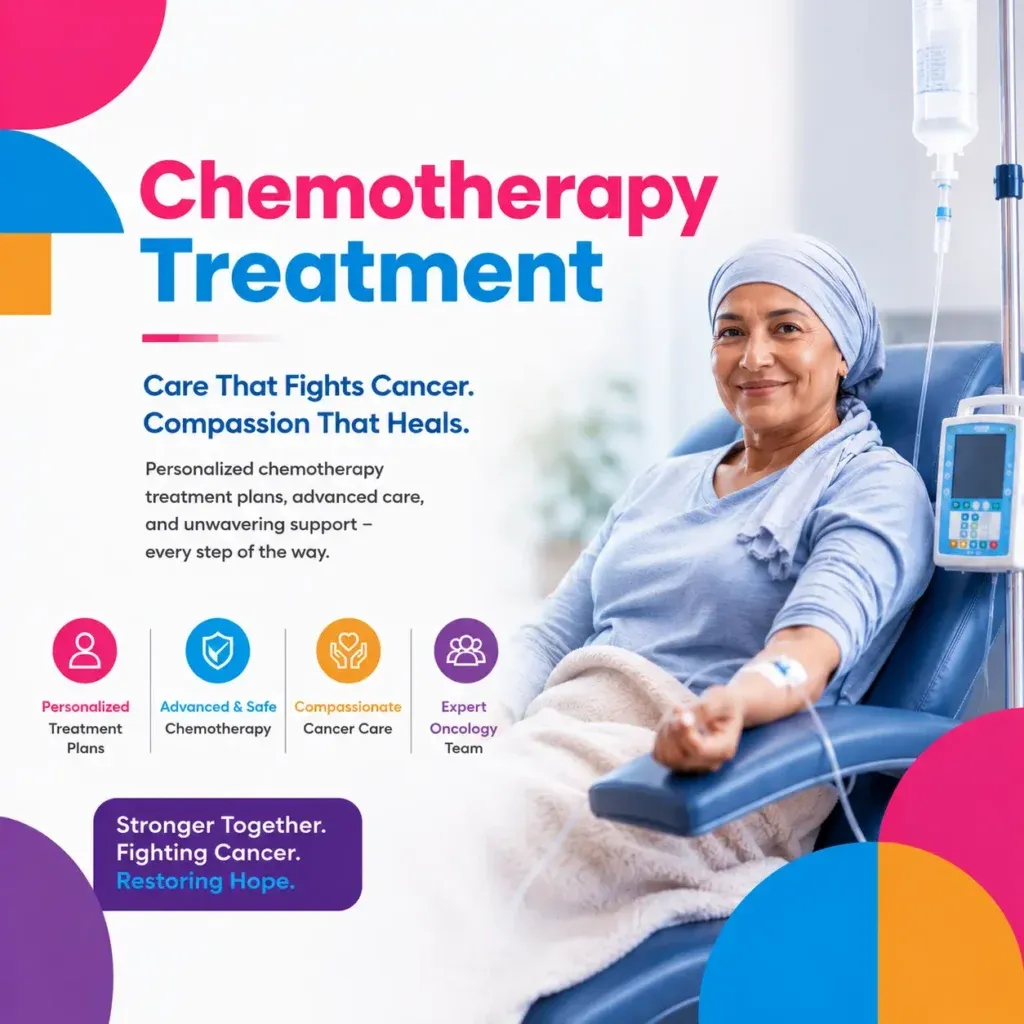
What Is Chemotherapy in Bangalore?
Chemotherapy in Bangalore involves the use of anti-cancer medicines to destroy cancer cells or slow their growth. Depending on the cancer type and stage, chemotherapy may be recommended before surgery to shrink a tumour, after surgery to reduce the risk of recurrence, or to control cancer that has spread. The treatment plan is based on the diagnosis, overall health, previous treatments, and individual medical needs. An oncology team monitors the patient throughout treatment and may adjust the schedule or medicines depending on the response and side effects.
How Does Chemotherapy Work?
Chemotherapy medicines target cells that grow and divide rapidly. Because some healthy cells also grow quickly, treatment can affect normal tissues as well as cancer cells. This is why patients may experience side effects such as fatigue, nausea, mouth sores, or hair loss, depending on the medicines used.
Chemotherapy can have different goals, including:
- Destroying cancer cells as part of treatment intended to cure the disease.
- Reducing the risk of cancer returning after surgery.
- Shrinking a tumour before surgery or radiation therapy.
- Slowing the growth of advanced cancer.
- Helping relieve symptoms caused by cancer.
Not every patient needs chemotherapy. The treating oncologist recommends it when the expected benefits justify the potential risks.
How Is Chemotherapy Administered?
Chemotherapy can be given in different ways, depending on the medicines and cancer being treated.
Intravenous chemotherapy: Medicines are delivered into a vein through an infusion.
Oral chemotherapy: Certain medicines are taken as tablets or capsules at home according to the prescribed schedule.
Injection: Some treatments are administered by injection.
Chemotherapy is often delivered in cycles, with treatment periods followed by rest periods that allow the body to recover. The number of cycles and duration depend on the treatment plan and how the patient responds.
Before treatment begins, patients should understand the schedule, precautions, possible side effects, and whom to contact if problems arise.
What Is Stomach Cancer Treatment in Bangalore?
Stomach Cancer Treatment in Bangalore involves diagnosing and managing cancer that develops in the stomach. The treatment approach depends on the cancer’s stage, location, biological characteristics, and the patient’s overall health.
Treatment may include surgery, chemotherapy, radiation therapy, targeted therapy, or immunotherapy in selected cases. Some early cancers may be suitable for endoscopic procedures, while other cases require a combination of treatments.
What Are the Symptoms of Stomach Cancer?
Possible symptoms include:
- Persistent indigestion or stomach discomfort
- Feeling full after eating small amounts
- Loss of appetite
- Unexplained weight loss
- Persistent nausea or vomiting
- Difficulty swallowing
- Blood in vomit or black stools
These symptoms can have causes other than cancer. However, persistent or worsening symptoms should be evaluated by a qualified healthcare professional.
How Is Stomach Cancer Diagnosed?
Doctors may recommend an upper gastrointestinal endoscopy to examine the stomach and collect a tissue sample for biopsy. Imaging tests and other investigations may help determine the cancer stage and whether it has spread.
The findings help the oncology team decide whether surgery, chemotherapy, or another treatment approach is appropriate.
What Role Does Chemotherapy Play in Stomach Cancer?
Chemotherapy may be used before surgery to shrink a tumour, after surgery to reduce the risk of recurrence, or to treat advanced disease. It may also be combined with other medicines or radiation therapy in selected situations.
The choice of medicines depends on the cancer stage, overall health, and relevant tumour test results. Patients should ask their oncologist about the treatment goals, expected duration, and possible side effects.
What Is Liver Cancer Treatment in Bangalore?
Liver Cancer Treatment in Bangalore includes the diagnosis and management of cancer that begins in the liver. Treatment depends on the cancer type, tumour size and location, whether it has spread, the liver’s function, and the patient’s general health.
Available approaches may include surgery, liver transplantation for selected patients, ablation, embolisation procedures, radiation therapy, targeted therapy, or immunotherapy. Not every treatment is suitable for every patient, so a specialist assessment is essential.
What Are the Warning Signs of Liver Cancer?
Possible symptoms include:
- Unexplained weight loss
- Reduced appetite
- Persistent abdominal discomfort
- Swelling in the abdomen
- Yellowing of the skin or eyes
- Ongoing fatigue
- Nausea or a general feeling of being unwell
These symptoms may also occur with other liver or digestive conditions. Anyone experiencing persistent or concerning symptoms should seek medical evaluation.
How Is Liver Cancer Diagnosed?
Evaluation may include blood tests, liver-function tests, ultrasound, CT scans, MRI, and other investigations. A biopsy may be needed in some cases, while the diagnosis can sometimes be established using characteristic imaging findings and clinical information.
The medical team considers the tumour, liver function, and overall health before recommending a treatment plan.
Can Chemotherapy Be Used for Liver Cancer?
Traditional systemic chemotherapy is not the main treatment for every type of primary liver cancer. Depending on the diagnosis, treatment may involve surgery, ablation, embolisation, targeted medicines, immunotherapy, or other approaches.
Some liver cancers and cancers that have spread to the liver may be treated with chemotherapy. The appropriate option depends on where the cancer originated, its characteristics, and the patient’s condition.
How Can Patients Manage Chemotherapy Side Effects?
Side effects vary depending on the medicines, dosage, and individual health. Common effects may include fatigue, nausea, appetite changes, mouth sores, hair loss, constipation, diarrhoea, or changes in blood cell counts.
Patients can discuss the following supportive measures with their care team:
- Nutrition: Seek dietary guidance if appetite or eating habits change.
- Hydration: Follow medical advice about fluid intake, especially if other health conditions affect it.
- Rest: Plan adequate rest and adjust daily activities according to energy levels.
- Infection precautions: Follow the oncology team’s advice about infection prevention and monitoring.
- Symptom reporting: Inform the care team about significant or worsening side effects.
A fever during chemotherapy can indicate a serious infection, particularly when white blood cell counts are low. Follow the oncology team’s instructions for urgent assessment rather than waiting for the next appointment.
How Can Patients Prepare for Cancer Treatment?
Preparation can make treatment more manageable. Patients should bring previous medical reports, imaging results, a list of current medicines, and information about existing health conditions to consultations.
Before starting treatment, ask the oncologist:
- What is the goal of the recommended treatment?
- How many sessions or cycles may be required?
- What side effects should I expect?
- Which symptoms require urgent medical attention?
- Will I need additional tests during treatment?
- What support is available for nutrition, emotional health, and recovery?
Patients should not change their medicines or treatment schedule without discussing it with their medical team.
Why Is Personalised Oncology Care Important?
Every cancer diagnosis is different. The same treatment may not be suitable for all patients, even when the cancer affects the same organ. A personalised plan considers the cancer type, stage, test results, other medical conditions, and the patient’s preferences.
Coordinated care can help patients understand their options, manage side effects, and attend follow-up appointments. Regular monitoring also helps the medical team assess treatment response and decide whether changes are needed.
Conclusion
Chemotherapy is an important part of treatment for several cancers, but its role depends on the individual diagnosis. Chemotherapy in Bangalore may be recommended alone or alongside other treatments, depending on the cancer type and stage. Stomach Cancer Treatment in Bangalore and Liver Cancer Treatment in Bangalore may involve surgery, chemotherapy, targeted therapy, immunotherapy, or other approaches suited to the patient’s condition. Consult a qualified oncology team to understand the diagnosis, treatment goals, and available options.
Frequently Asked Questions (FAQs)
1. What is chemotherapy used for?
Chemotherapy uses anti-cancer medicines to destroy cancer cells or slow their growth. It may be used to treat cancer, reduce the risk of recurrence, shrink a tumour, or help control advanced disease.
2. Does every cancer patient need chemotherapy?
No. Treatment depends on the cancer type, stage, and individual test results. Some patients may benefit more from surgery, radiation therapy, targeted therapy, immunotherapy, or a combination of treatments.
3. Is chemotherapy used for stomach cancer?
Yes. Chemotherapy may be used before or after surgery or to manage advanced stomach cancer. The treatment plan depends on the stage and other clinical factors.
4. Is chemotherapy always used for liver cancer?
No. Treatment depends on the type of liver cancer and liver function. Surgery, ablation, embolisation, targeted therapy, or immunotherapy may be considered, depending on the case.
5. How long does chemotherapy treatment last?
The duration varies according to the cancer type, medicines used, treatment goals, and response. The oncologist will explain the planned schedule and any changes that may be needed.
6. What should I do if I develop a fever during chemotherapy?
Contact your oncology team immediately and follow their urgent-care instructions. Fever during chemotherapy can be a sign of infection and may require prompt medical assessment.






















Sign in to leave a comment.