What Should You Know About Scoliosis Treatment and Spine Care in Abu Dhabi?

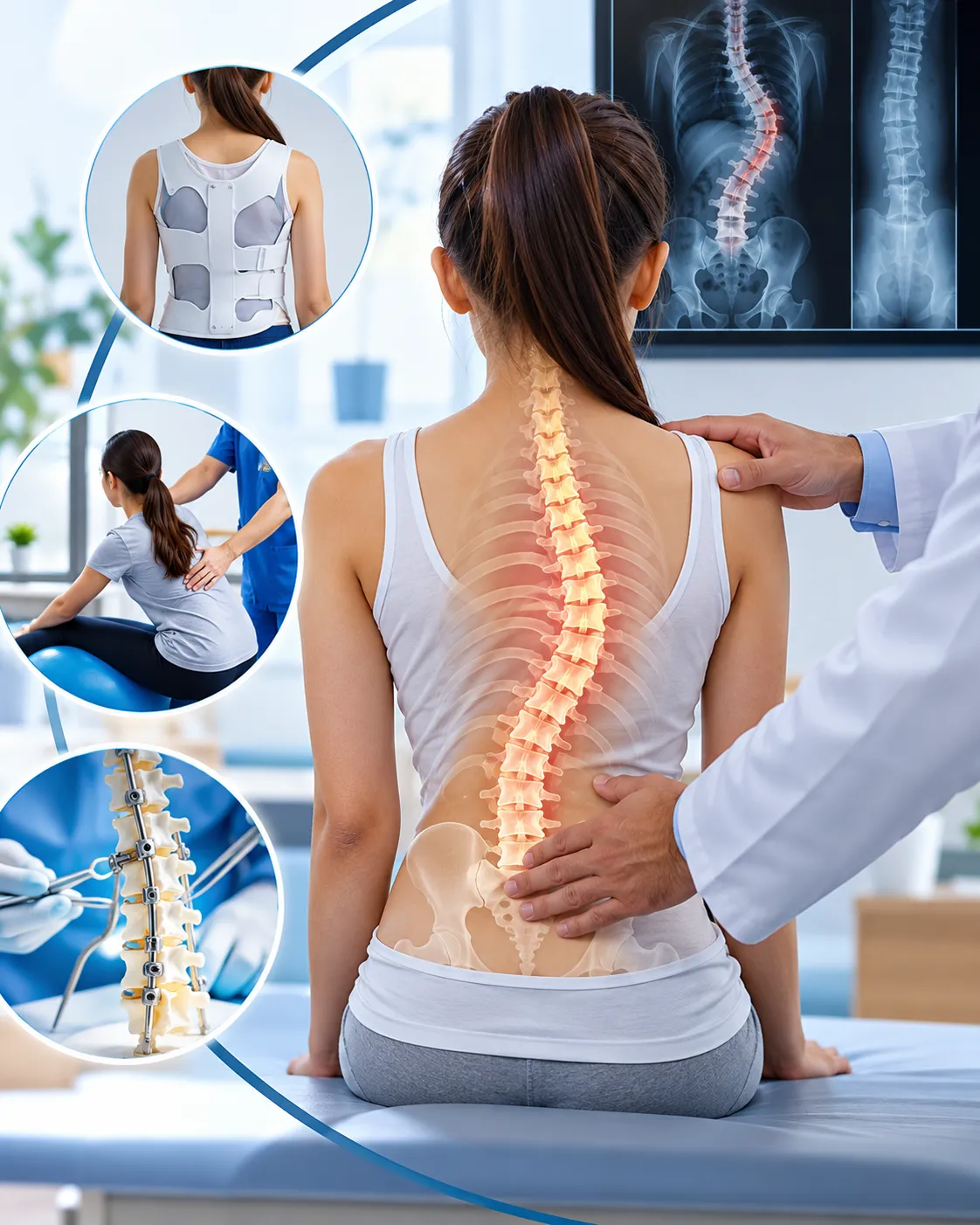
Scoliosis is a spinal condition in which the spine develops an abnormal sideways curve. While mild cases may not cause major problems, moderate or severe curvature can affect posture, movement, comfort, and overall quality of life. Understanding the condition early can help individuals explore suitable treatment options and prevent the curve from becoming more difficult to manage.
For people looking for Scoliosis treatment Abu Dhabi, it is important to understand that treatment depends on several factors, including the patient's age, the degree and location of the spinal curve, symptoms, and whether the condition is progressing. A proper evaluation by a spine specialist is the first step toward deciding the most appropriate approach.
What Is Scoliosis?
Scoliosis is more than a simple change in posture. It involves an abnormal curvature of the spine, which may also cause the vertebrae to rotate. The condition can develop during childhood or adolescence, but adults can also develop scoliosis due to age-related spinal changes, previous injuries, or other underlying conditions.
Some people may have a very mild curve without noticeable symptoms, while others can experience back discomfort, uneven shoulders, an uneven waistline, or difficulty maintaining proper posture.
What Are the Common Signs of Scoliosis?
The symptoms of scoliosis can vary depending on the severity of the curve. Some common signs include:
- Uneven shoulder height
- One shoulder blade appearing more prominent
- Uneven hips
- A noticeable sideways curve of the spine
- Changes in posture
- Back pain or discomfort
- Muscle fatigue after standing or sitting for long periods
- Reduced flexibility or mobility in some cases
In children and teenagers, parents may notice changes in posture or body alignment before the individual experiences any discomfort. Regular medical evaluation can help identify spinal curvature at an earlier stage.
How Is Scoliosis Diagnosed?
A diagnosis usually begins with a physical examination. A doctor may assess the patient's posture, shoulder and hip alignment, spinal movement, and overall mobility.
Imaging tests can provide a clearer view of the spine. X-rays are commonly used to determine the location and degree of the curvature. Depending on the patient's symptoms and medical history, additional imaging such as MRI may sometimes be recommended.
The results help the specialist understand the severity of scoliosis and determine whether the curve is stable or likely to progress.
What Factors Determine the Right Treatment?
There is no single treatment that works for every person with scoliosis. A treatment plan is generally based on factors such as:
Age: Children and adolescents may require monitoring because their spine is still developing.
Curve severity: Smaller curves may only need observation, while larger or progressive curves may require more active treatment.
Symptoms: Pain, stiffness, weakness, or mobility problems can influence treatment decisions.
Progression: If the spinal curve continues to worsen, a specialist may recommend additional treatment.
Overall health: Existing medical conditions and general health may also affect which treatment options are appropriate.
What Non-Surgical Treatments May Be Considered?
For some patients, especially those with mild scoliosis or limited symptoms, conservative treatment may be sufficient. Depending on individual needs, this may include physical therapy, targeted exercises, posture improvement, and regular monitoring.
Physical therapy can focus on strengthening the muscles that support the spine, improving flexibility, and helping patients develop better movement patterns. In growing children and teenagers, bracing may sometimes be recommended to help prevent further progression of the curve.
Pain management may also be considered for adults experiencing discomfort associated with spinal changes.
When Is Surgery Considered for Scoliosis?
Surgery is generally considered when the spinal curvature is severe, continues to progress, causes significant symptoms, or affects daily activities despite non-surgical treatment.
The decision to undergo surgery requires a detailed assessment by a spine specialist. The doctor considers the degree of curvature, spinal alignment, symptoms, age, overall health, and expected benefits and risks of the procedure.
Modern spinal procedures aim to correct abnormal alignment, stabilize the spine, and improve function where appropriate. Not every patient with scoliosis needs surgery, so an individual assessment is essential.
Why Is Early Evaluation Important?
Early evaluation can be particularly important for children and teenagers because scoliosis may progress during periods of rapid growth. Identifying changes early allows doctors to monitor the spinal curve and recommend treatment when necessary.
Adults should also seek medical evaluation if they experience persistent back pain, noticeable changes in posture, or increasing difficulty with movement. These symptoms may have several possible causes, and a proper diagnosis can help determine the right course of care.
How Can You Choose the Right Spine Care Center?
Choosing a suitable healthcare facility is an important part of managing a spinal condition. Patients should consider the experience of the medical team, available diagnostic facilities, treatment options, surgical expertise, and the overall approach to patient care.
Bone Care One Day Surgery Center provides specialized orthopedic and spine care with a focus on individualized treatment. Patients can discuss their symptoms and concerns with specialists who can assess their condition and recommend an appropriate treatment pathway based on their specific needs.
A good treatment plan should not only focus on the spinal curve but also consider pain, mobility, lifestyle, age, and long-term spinal health.
What Should You Do If You Notice Symptoms?
If you or your child has signs of scoliosis, avoiding unnecessary delay in evaluation can be helpful. A specialist can assess the spine, determine whether the curve requires monitoring or treatment, and explain the available options.
For individuals searching for Scoliosis treatment Abu Dhabi, consulting an experienced orthopedic or spine specialist can provide a clearer understanding of the condition and the next steps. Early assessment does not always mean surgery; in many cases, monitoring and conservative care may be appropriate.
Scoliosis can be effectively managed when treatment is based on an accurate diagnosis and the individual's specific needs. With the right evaluation and personalized care, patients can work toward better spinal health, improved mobility, and a more comfortable daily life.


Sign in to leave a comment.