What Should You Know Before Choosing a Sleep Breathing Mask? | Sleep Net Shop

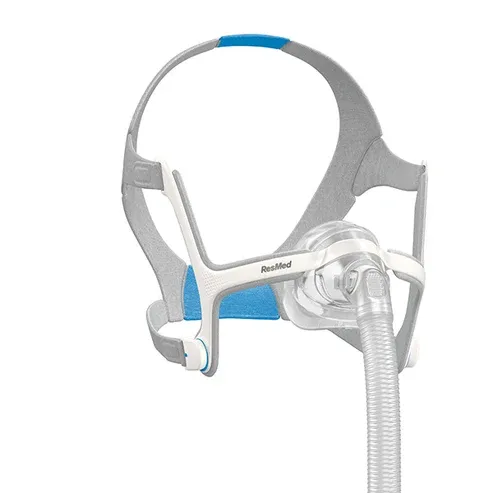
Imagine this: you're lying in bed, eyes wide open, struggling to breathe comfortably. Every night feels like a battle you can't win. Breathing through the night shouldn't be this hard, right? For many, sleep apnea or other breathing issues disrupt sleep. That's where a sleep breathing mask comes in, but how do you choose the right one?
I've been there, bewildered by the choices, unsure which mask could be my nighttime savior. There are so many questions: Will it be comfortable? Will it actually help me sleep better? Let's explore together and demystify what you need to know before you pick your perfect sleep breathing mask.
We'll cover the essentials—from mask types and fit to comfort and cleaning tips. By the end, you'll feel confident, ready to make a choice that might just transform your nights. Let's dive in.
Understanding Sleep Breathing Masks
So, what exactly is a sleep breathing mask? It's simple. These masks help those with sleep apnea or similar issues breathe better during sleep. They deliver air pressure through your airways, keeping them open. It's a lifesaver for many, literally.
Sleep apnea affects millions worldwide. In fact, according to the American Sleep Apnea Association, about 22 million Americans suffer from it. Yet, 80% of cases go undiagnosed. That’s a lot of people missing out on restful sleep.
Here's a quick story: My friend John always felt tired, no matter how long he slept. Turned out, he had sleep apnea. His doctor recommended a CPAP mask, a common type of sleep breathing mask. It changed his life. He finally felt rested and energized.
If you're new to this, think of these masks as your ticket to a good night's sleep. They might seem daunting at first, but understanding their function is the first step in choosing the right one for you.
Types of Sleep Breathing Masks
Alright, let's talk types. Not all masks are created equal. There are a few main types: CPAP, BiPAP, and APAP masks. CPAP stands for Continuous Positive Airway Pressure. It provides a steady air stream to keep airways open. BiPAP, or Bilevel Positive Airway Pressure, offers two pressure levels—one for inhaling and a lower one for exhaling. Finally, APAP, or Automatic Positive Airway Pressure, adjusts the pressure automatically as you sleep.
Choosing the right type depends on your specific needs. A 2019 study in the Journal of Clinical Sleep Medicine found that personalized mask type improves sleep quality and compliance. So, it's not just about picking any mask, it's about picking the right one for you.
Take Sarah, for example. She started with a CPAP mask but found the constant pressure uncomfortable. After discussing with her doctor, she switched to an APAP mask. It adjusts automatically, making her sleep much more restful.
Importance of Fit and Comfort
Let's be honest. If your mask doesn't fit, you won't wear it. And if you don't wear it, it can't help you. The fit is crucial. A well-fitted mask should feel snug but not tight. It should seal properly without air leaks.
Comfort is equally important. If it's not comfy, it's not going to work. A 2020 survey by the Sleep Foundation found that 60% of CPAP users listed comfort as their biggest concern. That's huge!
Consider Mark's experience. He struggled with his first mask. It left marks on his face and felt suffocating. After trying different sizes and styles, he found one that fit like a glove. Now, he sleeps through the night peacefully.
Materials and Durability
Ever thought about the material of your sleep breathing mask? It matters! Most masks use silicone, gel, or fabric. Each has its perks. Silicone is flexible and form-fitting. Gel provides extra comfort. Fabric is lightweight and breathable.
Durability is key. You don't want to replace your mask every few months. A well-made mask can last up to a year with proper care. The trick is to balance durability with comfort.
Here's a thought: My cousin Lucy swore by her gel mask. It felt like a pillow on her face. But, it wore out quickly. She switched to a silicone mask for better longevity.
Cleaning and Maintenance
You wouldn't wear dirty clothes, right? Same goes for your mask. Regular cleaning is a must. It prevents bacteria buildup and keeps your mask in top condition.
Experts suggest cleaning your mask daily. Use mild soap and warm water. Avoid harsh chemicals. Once a week, give the headgear a thorough clean.
Consider this: A study from the National Institutes of Health found that proper cleaning extends mask life by up to 50%. That's a significant saving in the long run.
Cost and Insurance Coverage
Let's talk money. Sleep breathing masks aren't cheap. Prices range from $50 to several hundred dollars. However, many insurance plans cover them, at least partially.
Check your policy. Some require documentation from a doctor. Others may have specific brands they cover. It's worth the effort to save some cash.
Take Jane's story. She thought her mask would cost a fortune. But after a quick call to her insurance, she learned it was fully covered. A huge relief!
Personal Experience and Adjustment Period
Here's the kicker: adjusting to a sleep breathing mask takes time. It's not an overnight fix. Give it a few weeks. Your body needs to adapt.
Patience is key. Many users report improved sleep after the adjustment period. A 2018 study in the Sleep Medicine Review highlighted that persistence leads to better outcomes.
Remember Tom? He hated his mask at first. But after sticking with it, he noticed a dramatic improvement. His energy levels soared, and his mood improved.
Consulting with a Sleep Specialist
Think about it... You're not alone in this. A sleep specialist can guide you. They offer personalized advice based on your needs.
Consulting with a specialist ensures you're on the right path. They might conduct a sleep study to get precise data. This helps in choosing the best mask.
Consider Lara's journey. She felt lost until she met with a specialist. With expert guidance, she found a mask that changed her nights.
Technology and Innovation in Sleep Masks
Let's face it, technology is changing everything, even sleep masks. New innovations make these masks more efficient and comfortable.
For instance, some masks now come with Bluetooth connectivity. They connect to your phone, providing data on your sleep patterns.
Recent advancements even include masks with built-in humidifiers. They keep airways moist, preventing dryness and discomfort.
Reviews and User Feedback
Before you buy, check reviews. User feedback can offer insights you might not consider. It's like getting advice from a friend who’s been there.
Look for patterns in reviews. Are there consistent complaints or praises? This information is gold.
Take Emma's advice. She always reads reviews before purchasing. They saved her from buying a mask that others found uncomfortable.
Final Thoughts on Choosing the Right Mask
Honestly, choosing the right sleep breathing mask is personal. It's about finding what works for you. There's no one-size-fits-all solution.
Remember, the right mask can transform your nights. It can turn restless sleep into peaceful slumber.
You've got this. With the right information and a little patience, you're on your way to better sleep.
Frequently Asked Questions
How often should I replace my sleep breathing mask?
Generally, it's recommended to replace your mask every 6-12 months. However, the headgear might need replacing sooner if it loses elasticity.
Can I use any cleaning solution for my mask?
No, use only mild soap and warm water. Harsh chemicals can damage the mask material. Check for manufacturer recommendations.
What if my mask causes skin irritation?
Try switching to a different material, such as gel or fabric. Ensure your mask fits properly and is cleaned regularly to prevent irritation.
Are there travel-friendly sleep breathing masks?
Yes, many brands offer travel-sized versions that are compact and easy to pack. Check for battery-operated models if power supply is a concern.
Do sleep breathing masks make noise?
Some do, but newer models are designed to be quieter. If noise is an issue, look for masks specifically marketed as quiet or noise-reducing.
Got your own tips or experiences with sleep breathing masks? Share your thoughts with us!





Sign in to leave a comment.