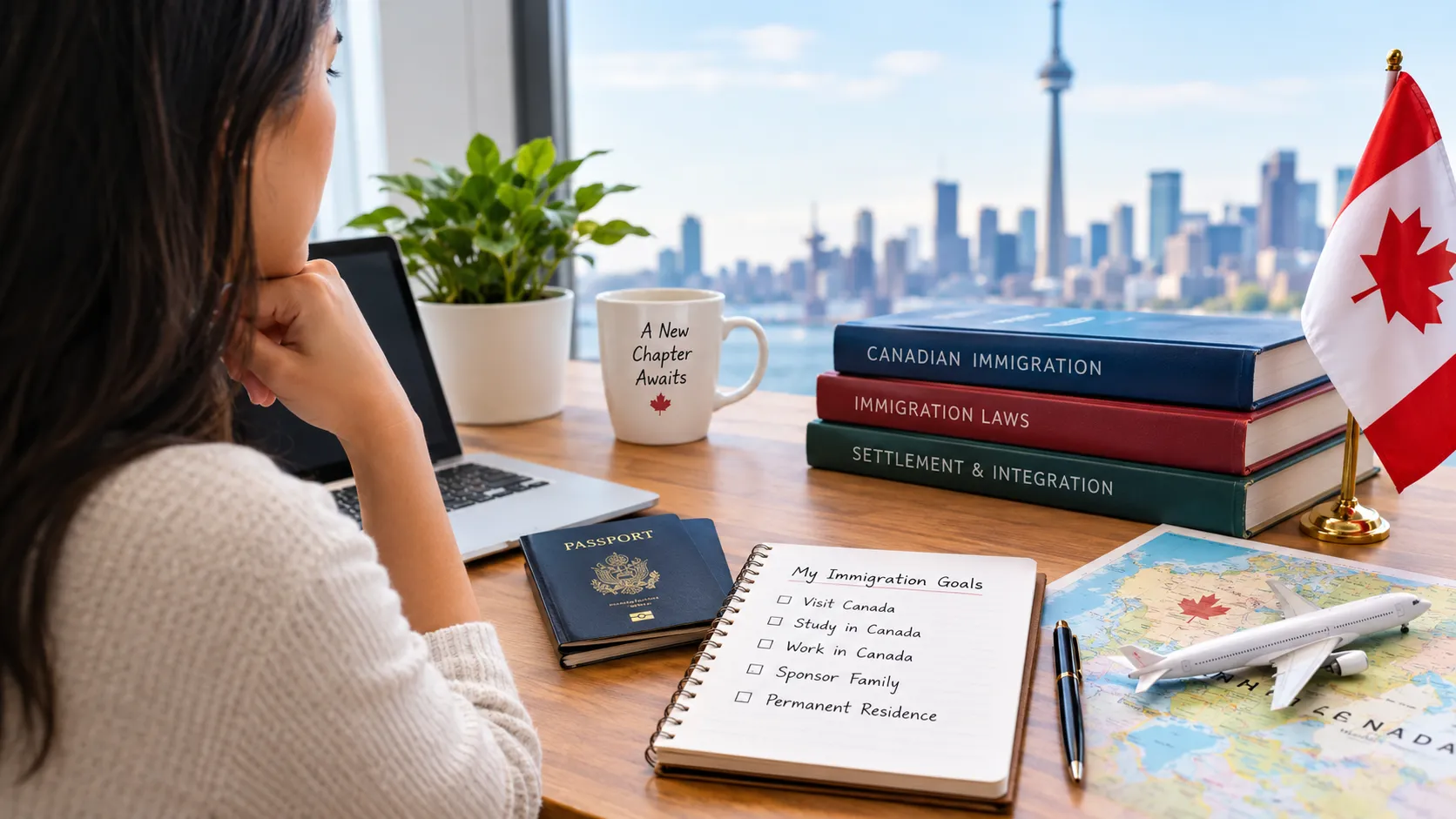

Moving to Canada can be an important life decision involving education, employment, family reunification, permanent residence, or a new long-term opportunity. While Canada offers several immigration pathways, each program has its own eligibility requirements, documentation standards, deadlines, and application procedures.
For many applicants, the immigration process can initially seem complicated because there may be multiple programs that appear suitable. Choosing the right pathway requires understanding your personal circumstances, your long-term goals, and the requirements established by Canadian immigration authorities.
A well-planned application begins with accurate information. Applicants should understand what type of application they are making, what documents they need, how eligibility is assessed, and what responsibilities they have throughout the process.
Why Is Choosing the Right Immigration Pathway Important?
Canada has several immigration programs designed for different categories of applicants. These can include economic immigration, family sponsorship, temporary residence, study permits, work permits, and programs connected with provincial or territorial nomination.
The requirements can vary considerably between programs. For example, an applicant applying through an economic immigration pathway may need to demonstrate education, language ability, work experience, and other qualifying factors. A family sponsorship application may instead focus on the relationship between the sponsor and the applicant and the applicable sponsorship requirements.
Selecting a pathway simply because it appears popular may not be appropriate for every applicant. The correct approach is to examine your circumstances and compare them with the official requirements of the program you are considering.
What Documents Should You Prepare?
Documentation is one of the most important parts of an immigration application. Depending on the application type, applicants may need identification documents, passports, educational records, employment documents, language test results, financial records, police certificates, medical examination documents, relationship evidence, or other supporting materials.
Documents should be accurate and consistent across the application. Differences in names, dates, employment history, addresses, or other important information can create questions that may require clarification.
Applicants should also check whether documents need translation, certification, or other formal requirements. Requirements can differ depending on the type of document and application.
Keeping a document checklist can make the process easier. It can also help applicants identify missing information before submitting their application.
How Does Professional Immigration Assistance Help?
Canadian immigration rules can involve detailed eligibility criteria and procedural requirements. Applicants who are uncertain about their options may choose to obtain professional legal advice before submitting an application.
An Immigration Lawyer Markham may assist clients by reviewing their circumstances, discussing available immigration pathways, identifying documentation requirements, and helping organize an application. The specific services provided will depend on the applicant's situation and the type of matter involved.
Professional assistance does not replace the applicant's responsibility to provide truthful and complete information. Applicants should always carefully review the information included in their application and provide accurate details.
What Should Applicants Know About Temporary Residence?
Not everyone who comes to Canada is immediately seeking permanent residence. Many people first apply for temporary status, such as a study permit, work permit, or visitor visa.
Temporary applications have their own requirements and conditions. Applicants should understand the purpose of their proposed stay and demonstrate that their circumstances are consistent with the requirements of the relevant program.
Students, for example, may need to demonstrate acceptance at an appropriate educational institution and meet other requirements. Workers may need documentation relating to employment, depending on the type of work permit. Visitors generally need to demonstrate that their visit is temporary and that they meet the applicable requirements.
Understanding the conditions attached to temporary status is important because violating those conditions can create immigration complications later.
What Role Does Family Immigration Play?
Family reunification is another important part of Canada's immigration system. Canadian citizens and permanent residents may be able to sponsor eligible family members under applicable programs.
Spousal and partner sponsorship applications can require substantial supporting evidence. Applicants may need to demonstrate the genuineness of their relationship and provide documentation covering their personal history, relationship development, shared experiences, and other relevant circumstances.
Every family situation is different. Applicants should review the requirements that apply to their particular relationship rather than relying solely on examples from other applications.
Why Is Accuracy Important in an Immigration Application?
Accuracy is essential throughout the immigration process. An application should provide complete and truthful information about relevant personal history, education, employment, family relationships, travel, and other requested matters.
Applicants should not guess when completing important forms. If information is unclear, historical records should be reviewed where possible so that the application can be completed accurately.
It is also important to maintain consistency between application forms and supporting documents. An unexplained discrepancy may lead to additional questions or requests for clarification.
Applicants should retain copies of submitted forms and supporting documents for their records.
What Happens After an Application Is Submitted?
Submitting an application does not necessarily mean that the process is complete. Depending on the immigration category, applicants may receive requests for additional documents, biometric information, medical examinations, interviews, or other information.
Applicants should monitor communications from the relevant Canadian immigration authorities and respond within the applicable timeframe.
Changes in personal circumstances can also be important. For example, changes involving marital status, employment, address, family composition, passport information, or other relevant details may need to be reported depending on the application.
Keeping contact information updated can help prevent important communications from being missed.
How Can Applicants Avoid Common Immigration Mistakes?
Many immigration problems can begin with relatively simple issues, such as incomplete forms, missing documents, inconsistent information, or misunderstanding eligibility requirements.
Applicants can reduce these risks by taking a structured approach:
- Read the official requirements carefully.
- Determine which immigration category applies to the situation.
- Prepare documents before completing the final application.
- Check names, dates, addresses, and employment information for consistency.
- Keep copies of everything submitted.
- Respond to official requests within the required timeframe.
- Update relevant information when circumstances change.
- Seek professional advice when the situation is complicated or unclear.
The goal should not simply be to submit an application quickly. A carefully prepared application can make it easier to demonstrate eligibility and address the requirements of the relevant immigration program.
When Should You Consider Speaking With an Immigration Professional?
Some immigration matters may involve circumstances that require additional attention. These can include previous immigration applications, family complications, changes in status, procedural concerns, inadmissibility issues, sponsorship complications, study permit matters, work permit concerns, or applications involving multiple family members.
An immigration professional can help explain how Canadian immigration rules may apply to a particular situation and identify documents or information that may need additional consideration.
Applicants should choose a qualified professional and understand the scope of services being provided before proceeding.
For people living in or around the Greater Toronto Area, searching for an immigration lawyer toronto can be one way to identify legal professionals who work with Canadian immigration matters. However, applicants should still review the professional's qualifications, experience, services, and approach before deciding whether to seek assistance.
How Can You Prepare for a Successful Immigration Process?
Preparation should begin before an application is submitted. Start by identifying your objective. Are you planning to visit Canada temporarily, study, work, reunite with family, or pursue permanent residence?
Once the objective is clear, research the immigration category that may correspond to your circumstances. Review the eligibility criteria and identify the supporting documents that may be required.
Next, organize your personal records. Keeping documents in clearly labelled folders can make it easier to identify missing information. Digital copies should also be stored securely.
Applicants should also pay attention to dates and deadlines. Immigration processes may involve multiple stages, and missing a required response period can create unnecessary complications.
Finally, remember that immigration rules and program requirements can change. Information found in an old article, social media post, or forum may no longer reflect current requirements. Applicants should verify important information using current official sources or qualified professional advice.
What Should You Expect From Your Immigration Journey?
Every immigration journey is different. Some applications may be relatively straightforward, while others can involve detailed documentation, additional requests, or complicated personal circumstances.
Applicants should therefore approach the process with realistic expectations. Immigration decisions depend on the applicable legal and procedural requirements, the information provided, and the evidence submitted.
Rather than focusing only on the final outcome, applicants should pay attention to each stage of the process. Understanding eligibility, preparing accurate documents, submitting the correct forms, responding to requests, and maintaining accurate information can all contribute to a well-organized application.
Conclusion
Starting an immigration journey to Canada requires planning, accurate information, and an understanding of the requirements that apply to your specific situation. Whether you are considering temporary residence, permanent residence, family sponsorship, study, or work opportunities, the first step is identifying the appropriate immigration pathway.
Careful documentation, truthful information, attention to deadlines, and awareness of current requirements can help applicants approach the process in an organized way. When circumstances are complex, professional legal advice can also help clarify the rules and application process.
Canadian immigration is a legal process, so applicants should rely on current and reliable information rather than assumptions or outdated advice. With proper preparation and a clear understanding of the applicable requirements, applicants can approach their immigration journey with greater clarity.
FAQ
1. What is the first step in the Canadian immigration process?
The first step is usually determining which immigration pathway may apply to your circumstances and reviewing its current eligibility requirements.
2. Do I need an immigration lawyer to apply to Canada?
Not every applicant is required to have a lawyer. However, professional legal assistance may be useful when an application involves complicated circumstances or legal concerns.
3. What documents are commonly required for immigration?
Requirements depend on the application type but may include passports, identity documents, education records, employment evidence, language results, financial documents, police certificates, and other supporting evidence.
4. Can immigration requirements change?
Yes. Immigration programs, eligibility requirements, forms, and procedures can change. Applicants should verify current requirements before submitting an application.
5. Why is accurate information important?
Applicants are expected to provide complete and truthful information. Inaccurate or inconsistent information can create complications during the immigration process.

























Sign in to leave a comment.