

Separation can bring many practical and emotional challenges. When a relationship ends, people may need to make decisions about housing, finances, children, property, communication, and future arrangements. Understanding the legal process can make these decisions easier to approach and can help individuals prepare for the steps ahead.
Every family situation is different. Some couples are able to reach agreements through respectful discussions, while others may need structured negotiation, mediation, or court involvement. Taking time to understand the available options can help people make informed decisions that reflect their circumstances.
Understanding the Difference Between Separation and Divorce
Separation and divorce are not the same legal process. A couple may separate while still remaining legally married. During separation, important matters such as parenting arrangements, child support, spousal support, property, and living arrangements may need to be addressed.
Divorce is the legal process that formally ends a marriage. Depending on the circumstances, individuals may need to resolve several family law matters before or alongside the divorce process.
Understanding this distinction is important because separating does not automatically settle financial or parenting responsibilities. Written agreements and appropriate legal steps may be necessary to create clarity.
What Issues May Need to Be Resolved?
A separation can involve several areas of family law. Common issues include:
- Parenting schedules and decision-making responsibilities
- Child support
- Spousal support
- Division of property and debts
- The family home
- Financial disclosure
- Separation agreements
- Divorce applications
- Communication between separated spouses
Some couples can resolve these matters cooperatively. Others may experience disagreements that require professional assistance.
The right approach depends on the circumstances, the level of conflict, the financial situation, and whether children are involved.
Why Financial Information Matters
Financial information can play an important role in family law matters. When couples separate, they may need to understand income, assets, debts, pensions, investments, property ownership, and other financial interests.
Complete and accurate financial disclosure can help both parties understand the situation before negotiations take place. Missing or incomplete information may create additional disputes and delays.
Keeping copies of relevant financial documents can therefore be helpful. These may include bank statements, tax documents, mortgage information, investment records, pension statements, employment records, and information about significant assets or debts.
Parenting Arrangements After Separation
For parents, separation often raises important questions about children. Parents may need to establish where children will live, how parenting time will be shared, how holidays will be handled, and how important decisions will be made.
A parenting arrangement can address regular schedules as well as school breaks, holidays, birthdays, travel, transportation, communication, and other practical concerns.
The focus should remain on the child's best interests. A clear and workable parenting arrangement can reduce uncertainty and provide children with greater consistency during a period of change.
Understanding Child Support
Child support is another important consideration when parents separate. Support obligations are generally influenced by factors such as income, the number of children, and parenting arrangements.
Parents should keep accurate financial information because changes in income or parenting circumstances can affect support calculations.
Because every situation is different, individuals should obtain information relevant to their specific circumstances rather than relying only on general examples found online.
When Professional Legal Guidance May Help
Not every separation requires the same level of legal assistance. Some individuals may want advice before signing an agreement, while others may need help negotiating unresolved issues or preparing for court.
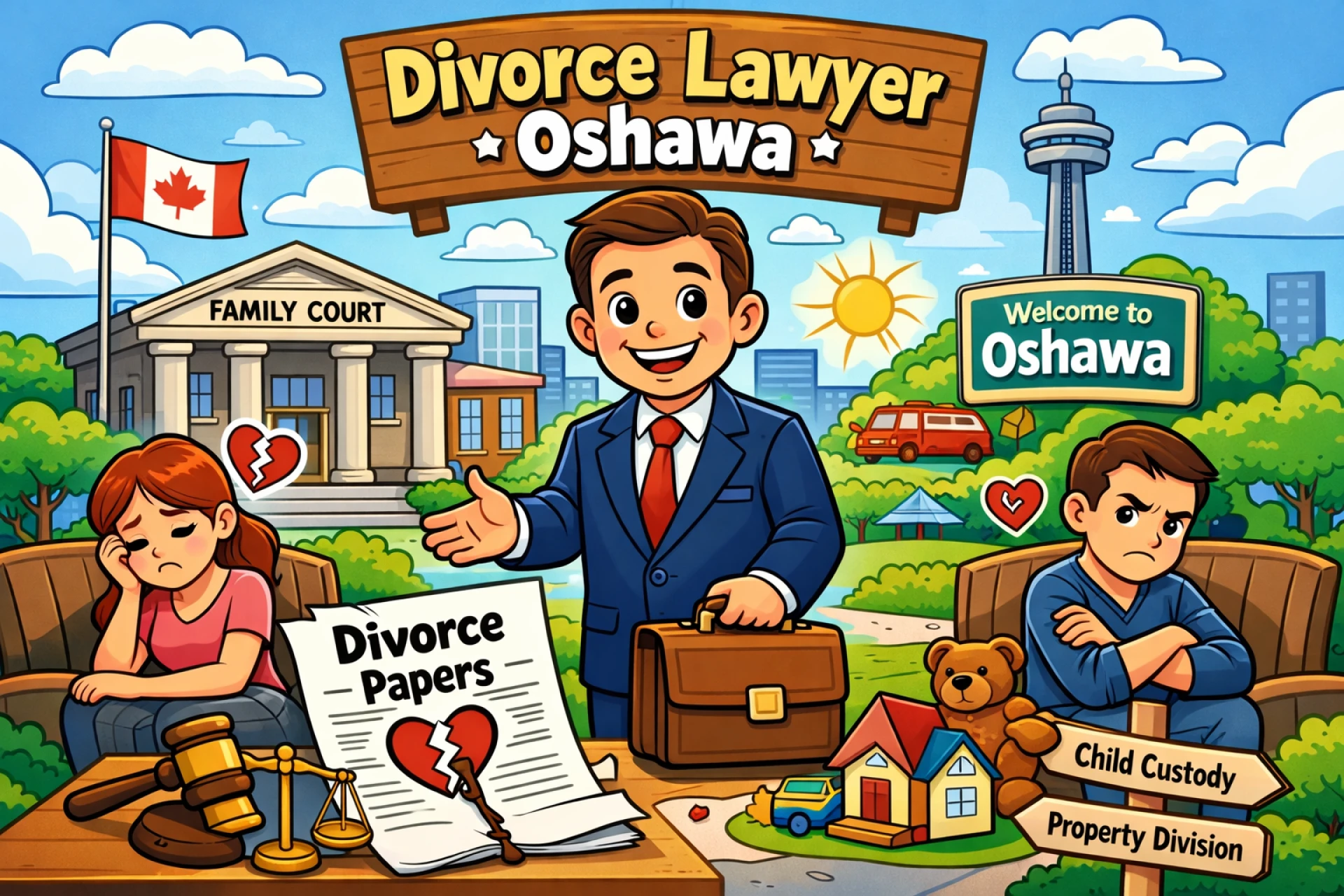
Speaking with a divorce lawyer oshawa can help an individual understand the legal process, identify important issues, review documents, and learn about possible options. Legal guidance can also be useful when communication between spouses has become difficult.
Professional advice may be particularly important when significant property, financial disagreements, parenting disputes, or complex legal questions are involved.
Separation Agreements and Written Arrangements
A written separation agreement can provide clarity about the responsibilities and arrangements between separated spouses. Depending on the circumstances, an agreement may address property, support, parenting, and other issues.
Before signing a legal agreement, it is important to understand what the terms mean and how they may affect future rights and responsibilities.
Relying on informal conversations alone can sometimes create misunderstandings. A properly prepared written agreement can make expectations clearer and provide a reference for both parties.
Negotiation and Mediation
Court is not the only way to resolve family law disagreements. Negotiation and mediation may provide alternatives for couples who are willing to work toward an agreement.
During negotiation, the parties may discuss their concerns and attempt to reach mutually acceptable terms. Mediation involves a neutral third party who helps facilitate discussions.
These approaches may help reduce unnecessary conflict and allow families to focus on practical solutions. However, mediation is not appropriate for every situation, particularly where there are serious safety concerns or significant power imbalances.
When Court May Become Necessary
Some family law disputes cannot be resolved through negotiation or mediation. If important issues remain unresolved, court proceedings may become necessary.
Court processes can involve specific procedures, documents, deadlines, and legal arguments. Understanding these requirements can be important for anyone considering litigation.
Having organized documentation and obtaining appropriate legal advice can help an individual better understand what to expect from the process.
Preparing for a Consultation
Anyone considering legal advice can make a consultation more productive by preparing relevant information in advance.
Useful documents may include:
- Marriage or separation documents
- Identification and basic personal information
- Financial statements
- Tax returns and notices of assessment
- Mortgage or property documents
- Information about debts
- Existing parenting agreements
- Previous court documents
- Important correspondence
Writing down the main questions beforehand can also help ensure that important concerns are discussed during the consultation.
Choosing an Approach That Fits Your Circumstances
There is no single approach that works for every separated family. Some people may be able to resolve matters through direct communication. Others may benefit from negotiation, mediation, collaborative processes, or court proceedings.
The appropriate option can depend on the complexity of the dispute, financial circumstances, parenting concerns, communication between the parties, and other factors.
The goal is to understand the available choices and make decisions based on reliable information rather than assumptions.
Moving Forward After Separation
Separation can involve many changes at once, but breaking the process into manageable issues can make it easier to navigate. Addressing parenting, finances, property, support, and legal documentation separately can help create a clearer path forward.
It is also useful to keep records of important communications and documents. Maintaining organized information can make future discussions and legal processes more manageable.
Individuals should also remember that family law rules can be specific to the circumstances of each case. General information can provide a starting point, but personalized legal advice may be necessary for decisions involving significant rights or responsibilities.
Conclusion
Separation and divorce can involve important decisions about family relationships, finances, parenting, property, and future responsibilities. Understanding the available legal processes can help individuals approach these decisions with greater clarity.
Whether an agreement can be reached through negotiation or whether court involvement becomes necessary, preparation is important. Gathering documents, understanding key issues, and obtaining appropriate professional guidance can help individuals make informed choices about their next steps.
The most suitable path depends on the individual circumstances of each family. Taking time to understand those circumstances and the available options can provide a stronger foundation for moving forward.
FAQ
1. What is the difference between separation and divorce?
Separation occurs when spouses decide to live apart or end their relationship, while divorce is the legal process that formally ends a marriage.
2. Do separated parents need a parenting agreement?
A written parenting agreement can help clarify schedules, decision-making responsibilities, holidays, travel, and other arrangements. Whether one is necessary depends on the circumstances.
3. What issues can be included in a separation agreement?
A separation agreement may address matters such as property division, parenting arrangements, child support, spousal support, and other responsibilities between spouses.
4. When should someone seek legal advice about divorce?
Legal advice can be useful before signing an agreement, when significant financial or parenting issues are involved, or when spouses cannot reach an agreement.
5. Can separation matters be resolved without going to court?
In some circumstances, couples may resolve issues through negotiation, mediation, or other dispute-resolution processes. However, court proceedings may be necessary when important disagreements remain unresolved.


























Sign in to leave a comment.