What Should You Know Before Trying a Natural Treatment for Lipomas?


Lipomas are soft lumps that develop under the skin and are usually made up of fatty tissue. They commonly grow slowly and may appear on areas such as the arms, shoulders, back, neck, or thighs. Although lipomas are generally harmless, discovering a new lump can raise questions about its cause, treatment, and long-term management.
Many people search for a natural treatment for lipomas because they want to explore options that do not involve surgery. Before trying home remedies, natural products, or wellness devices, it is important to understand what lipomas are, what current evidence supports, and when professional medical advice is necessary.
What Is a Lipoma, and Why Does It Develop?
A lipoma is a noncancerous growth of fatty tissue that forms beneath the skin. It usually feels soft or rubbery and may move slightly when touched. Most lipomas are painless, although some can cause discomfort if they press against nearby nerves or other structures.
The exact cause of lipomas is not always clear. Genetics may play a role, particularly in people who develop multiple lipomas or have a family history of them. Lipomas can occur in adults of different ages, and some people develop more than one during their lifetime.
It is important to remember that not every lump beneath the skin is a lipoma. Cysts and other types of growths can look or feel similar. A healthcare professional can examine a lump and determine whether further testing is needed.
Why Do People Look for a Natural Treatment for Lipomas?
People often explore a natural treatment for lipomas because they prefer conservative approaches or want to avoid an unnecessary procedure. They may also be concerned about recovery time, scarring, cost, or the inconvenience of a medical appointment.
Common reasons for researching natural approaches include:
- Learning about non-surgical options.
- Understanding whether lifestyle changes can influence lipoma development.
- Exploring topical products and body-care routines.
- Finding reliable information before discussing treatment with a healthcare professional.
- Understanding when observation may be appropriate.
However, wanting a natural approach does not mean that every natural remedy is effective or safe. It is essential to distinguish between general skin care and treatments that have been scientifically demonstrated to remove lipomas.
Can Natural Remedies Remove Lipomas?
Several home remedies are discussed online, including herbal oils, apple cider vinegar, turmeric mixtures, and other topical preparations. However, there is not enough reliable scientific evidence to establish that these remedies can shrink or remove a confirmed lipoma.
Applying a natural ingredient to the skin may sometimes cause irritation or an allergic reaction. Strong acidic substances and concentrated essential oils can also damage the skin when used improperly.
Before trying any product, consider the following:
- Check the ingredients and follow the manufacturer's directions.
- Avoid applying irritating substances to broken or sensitive skin.
- Do not assume that a product is effective simply because it is described as natural.
- Stop using a product if redness, burning, swelling, or discomfort develops.
- Consult a healthcare professional if the lump changes or its diagnosis is uncertain.
A natural treatment for lipomas should not be considered a proven alternative to medical treatment unless reliable clinical evidence supports that specific approach.
Are Lifestyle Changes Helpful for Lipoma Management?
Maintaining healthy daily habits can support general well-being, but there is currently no strong evidence that a particular diet, exercise routine, or detox plan will eliminate an existing lipoma.
A balanced diet, regular physical activity, adequate sleep, and appropriate hydration are useful parts of a healthy lifestyle. However, these habits should not be presented as a cure for lipomas.
Similarly, losing weight does not reliably remove a lipoma. Because lipomas are distinct growths of fatty tissue, they may remain even when a person loses body fat.
Rather than following restrictive diets or unverified detox programs, focus on sustainable habits that support overall health.
What About Non-Surgical Wellness Devices?
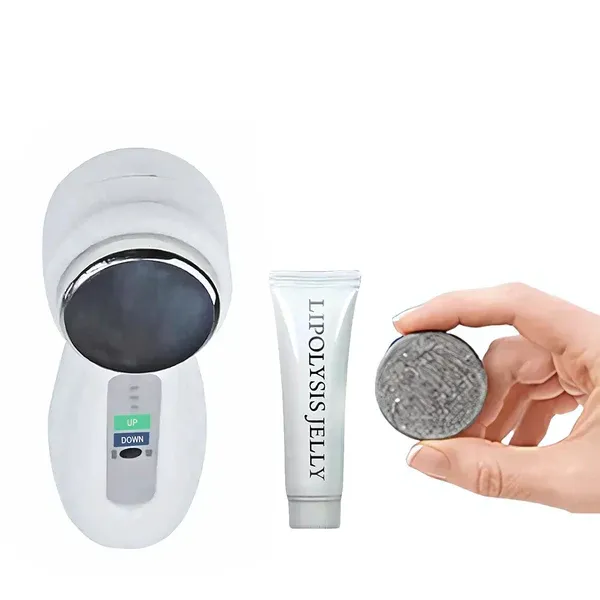
Some people investigate wellness devices when researching alternatives to surgical procedures. Products marketed for at-home body care may use different technologies, such as heat or other forms of energy.
If you are considering a device, investigate its intended purpose, safety information, instructions, contraindications, and available clinical evidence. Marketing claims alone cannot establish that a device can reduce or remove a lipoma.
The Lipoma Wand is one product people may encounter while researching at-home wellness devices. Before using any device on a lump, consult a qualified healthcare professional to confirm the diagnosis and determine whether the device is appropriate. Do not assume that a device is clinically proven to treat lipomas without supporting evidence.
Never use a device that causes pain, burns, skin damage, or unusual discomfort, and do not use it as a substitute for an examination when one is needed.
When Should You Seek Medical Advice?
Although many lipomas do not require treatment, a healthcare professional should evaluate a new or uncertain lump. Medical assessment is especially important if the lump:
- Grows quickly or changes noticeably.
- Feels hard or does not move beneath the skin.
- Becomes painful or tender.
- Appears deep beneath the skin.
- Develops redness, warmth, or other unusual skin changes.
- Interferes with movement or daily activities.
Seek prompt medical advice for a rapidly growing or otherwise concerning lump. Do not attempt to remove it yourself by cutting, squeezing, puncturing, or burning it, as these actions can cause bleeding, infection, and tissue damage.
If a lipoma is confirmed and causes discomfort or other problems, a healthcare professional can explain appropriate options. Surgical removal is a common treatment when removal is necessary. Observation may be suitable for some lipomas that are confirmed to be benign and are not causing problems.
How Can You Make an Informed Treatment Decision?
Before choosing a natural treatment for lipomas, take time to review the available information and discuss your concerns with a qualified professional.
Consider these practical steps:
- Confirm the diagnosis: Have an unfamiliar lump evaluated rather than assuming it is a lipoma.
- Research the evidence: Look for reliable medical information instead of relying only on testimonials or advertisements.
- Understand the risks: Natural ingredients and wellness devices can still cause adverse effects.
- Set realistic expectations: No home remedy has been reliably established as a way to remove a confirmed lipoma.
- Discuss your options: Ask about observation, possible procedures, recovery, costs, and the risks of delaying treatment.
Frequently Asked Questions
1. Can a natural treatment for lipomas make a lump disappear?
There is insufficient reliable scientific evidence that natural remedies can eliminate confirmed lipomas. A healthcare professional can explain suitable management options.
2. Can diet and exercise shrink lipomas?
Healthy habits support general health, but diet and exercise have not been shown to reliably remove existing lipomas.
3. Are natural oils safe to apply to lipomas?
Some oils may irritate the skin or cause allergic reactions. There is no strong evidence that topical oils remove lipomas.
4. Can I treat a lipoma at home without seeing a doctor?
A new or undiagnosed lump should be assessed by a healthcare professional. Avoid cutting, squeezing, or puncturing it yourself.
5. Is surgery always necessary for a lipoma?
No. Some confirmed, harmless lipomas can be monitored without treatment. Removal may be considered if a lump causes symptoms, grows, or creates other concerns.






Sign in to leave a comment.