

Finding a soft lump under your skin can naturally make you wonder what it is and whether you can remove lipoma at home. Lipomas are commonly described as soft, slow-growing lumps made up of fatty tissue. They are often harmless, but not every lump under the skin is a lipoma.
Before trying any home-based approach, it is important to understand what a lipoma is, how it is usually evaluated, and what precautions you should take. This can help you make a more informed decision about managing a lump.
What Is a Lipoma?
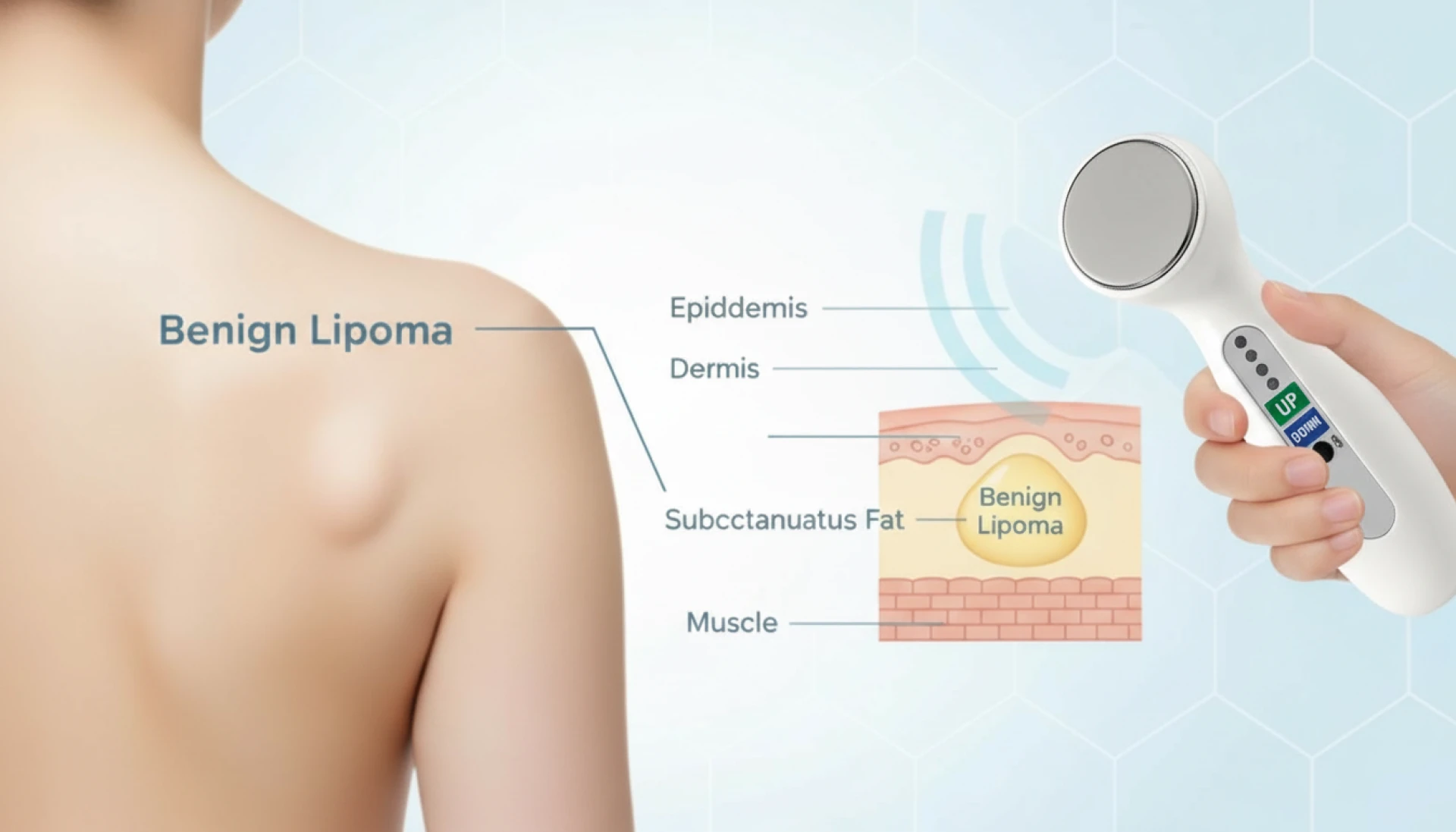
A lipoma is a lump that develops beneath the skin and is made primarily of fat cells. It often feels soft or rubbery and may move slightly when touched. Lipomas can develop in different areas of the body, including the arms, shoulders, back, neck, and thighs.
Although many lipomas are not serious, a new or changing lump should not automatically be assumed to be a lipoma. A healthcare professional can assess the lump and determine whether further evaluation is appropriate.
Can You Remove a Lipoma at Home?
People searching for ways to remove lipoma at home may find many suggested remedies online, including massage, oils, heat-based approaches, dietary changes, and various devices.
However, there is an important difference between managing the appearance or feel of a lump and actually removing the fatty tissue. There is limited clinical evidence that common household remedies can permanently remove a lipoma.
You should also avoid attempting to cut, puncture, squeeze, or drain a lump yourself. These methods can cause bleeding, infection, scarring, or other complications.
Why Should You Identify the Lump First?
One of the most important steps before attempting any home approach is making sure the lump has been properly identified.
Not every lump under the skin is a lipoma. Other types of growths or skin conditions can sometimes feel similar. If a lump is painful, grows quickly, feels unusually hard or fixed, changes in appearance, or is accompanied by other concerning symptoms, professional medical evaluation is especially important.
Getting appropriate advice first can help you avoid treating the wrong condition.
What About Non-Surgical Approaches?
People interested in remove lipoma at home searches are often looking for alternatives to conventional surgical removal. Surgical excision is a commonly used medical approach when a lipoma needs to be removed, particularly when it causes symptoms or discomfort.
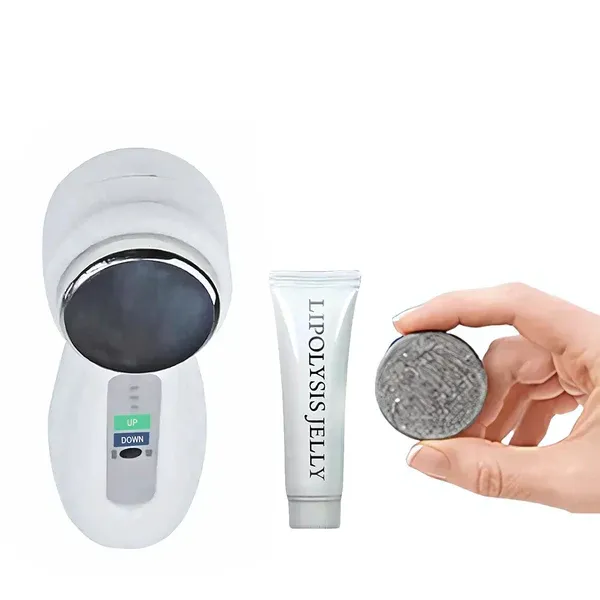
Some people also explore non-surgical wellness products and approaches. Lipoma Wand is one product marketed for people interested in an at-home, non-surgical approach to lipoma management.
If you are considering a device such as Lipoma Wand, read the manufacturer's instructions carefully and understand what the product is intended to do. Avoid assuming that an at-home device has the same clinical evidence or results as a medical procedure.
What Should You Avoid at Home?
Trying to remove a lump yourself can create unnecessary risks. Avoid:
- Cutting or puncturing the lump
- Trying to squeeze or drain it
- Using unapproved chemicals or strong substances on the skin
- Applying excessive heat
- Using a device outside its instructions
- Ignoring a lump that is changing or becoming painful
A cautious approach is especially important when the diagnosis has not been confirmed.
How Can You Approach At-Home Lipoma Management Responsibly?
If you want to explore an at-home option, start by learning about the product or method you are considering. Check the instructions, intended use, precautions, and available evidence.
With Lipoma Wand, users should follow the manufacturer's directions and use the product only as instructed. It can be considered as an option for people researching non-surgical approaches, but it should not be presented as a guaranteed way to remove every lipoma.
Keeping realistic expectations is important. Individual experiences can vary, and an at-home approach may not be appropriate for every lump or every person.
When Should You See a Healthcare Professional?
You should seek professional medical advice if a lump is rapidly growing, painful, hard, fixed in place, unusually deep, or changing in appearance. Medical evaluation is also appropriate if you are uncertain whether the lump is actually a lipoma.
If a healthcare professional recommends removal, they can explain available treatment options and their potential benefits and risks.
FAQ
1. Can I safely remove a lipoma at home?
You should not attempt to cut, puncture, or physically remove a lipoma yourself. If you want to explore an at-home approach, first make sure the lump has been appropriately evaluated and carefully follow the instructions for any product you use.
2. Does massage remove lipomas?
Massage may change how an area feels temporarily, but there is not strong clinical evidence that ordinary massage permanently removes lipomas.
3. Is Lipoma Wand a surgical treatment?
No. Lipoma Wand is marketed as an at-home, non-surgical approach. Anyone considering it should review the manufacturer's instructions and understand its intended use and limitations.
4. What should I do if my lump changes?
A lump that grows quickly, becomes painful, feels hard or fixed, or changes in another unusual way should be evaluated by a healthcare professional rather than treated solely at home.
5. Can every lipoma be managed at home?
No. Different lumps and individual circumstances can require different approaches. If you are unsure about a lump or have concerning symptoms, professional evaluation is the safer starting point.

















Sign in to leave a comment.