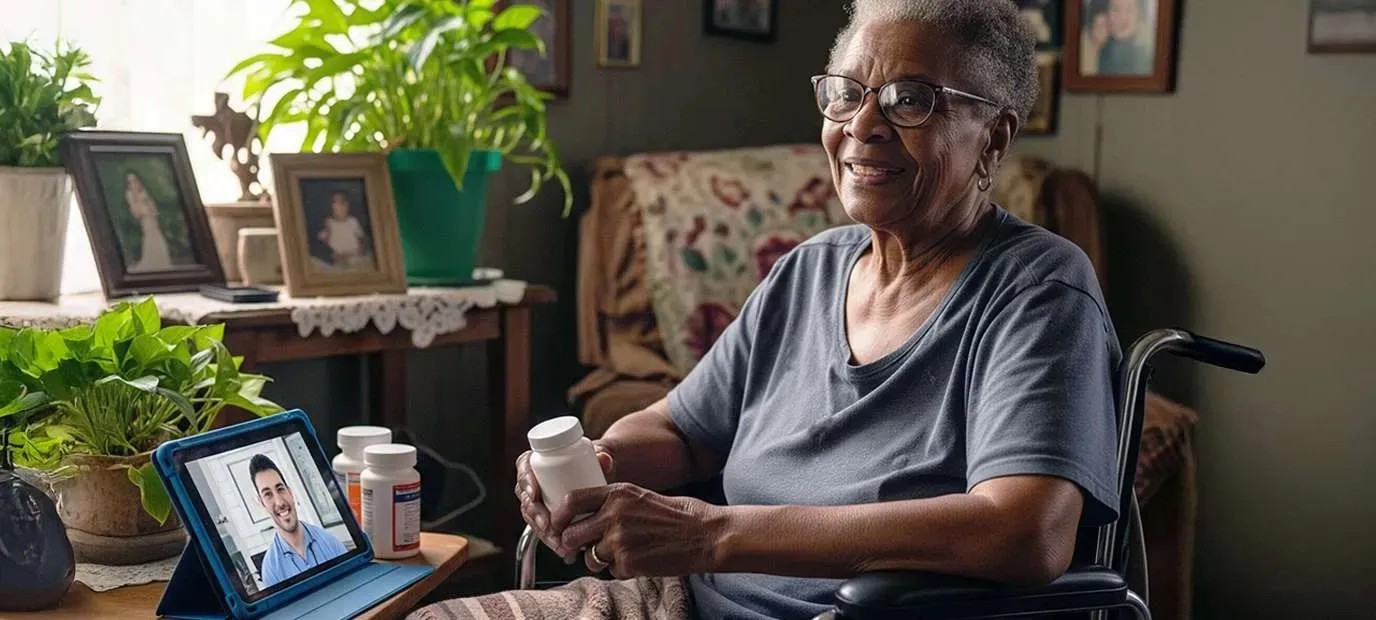

Remote patient monitoring has become an important part of modern healthcare, particularly for people managing chronic conditions outside a traditional clinical setting. But choosing remote patient monitoring services involves more than selecting devices that collect health data.
A useful solution needs to connect patients, caregivers, clinicians, and health information in a practical way. It should also fit into existing care workflows and make remote patient care accessible to the people who may have the greatest difficulty using technology.
So, what should healthcare organizations look for when evaluating remote patient monitoring services? Here are the key factors to consider.
Easy-to-use technology for patients
Patient adoption is one of the most important factors in any remote monitoring program. If patients find the technology confusing, they may not use it consistently, which can limit the value of the data collected.
Look for remote patient monitoring services with simple interfaces and straightforward instructions. This is particularly important when serving older adults, people with disabilities, patients with low digital literacy, or individuals who are uncomfortable using technology.
A strong remote patient care solution should reduce unnecessary steps rather than require patients to manage several complicated applications.
Reliable connected devices
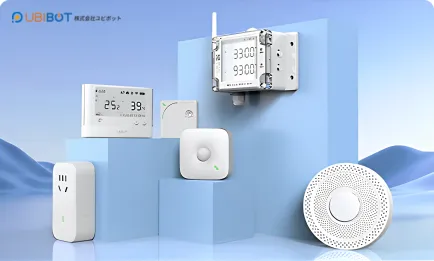
Remote monitoring depends on accurate and consistent health information. Depending on the care program, connected devices may collect measurements such as blood pressure, blood glucose, weight, symptoms, or other relevant health information.
When comparing services, consider:
- What devices are available?
- Are they Bluetooth-enabled or cellular?
- Are devices configured before reaching patients?
- Can the solution support multiple types of health measurements?
- How easily can devices be replaced or added?
A flexible device ecosystem can make it easier to adapt monitoring programs to different patient needs.
Connectivity that does not depend entirely on home internet
Not every patient has reliable broadband access. Some people may live in rural areas, have limited financial resources, or simply be uncomfortable setting up home technology.
This makes connectivity an important consideration when selecting remote patient monitoring services.
Solutions that can use cellular connectivity can help extend remote patient care to patients who do not have dependable home internet. This can reduce one of the practical barriers to participating in a remote care program.
Real-time access to patient data
Collecting information is only part of remote monitoring. Healthcare teams also need a practical way to review and understand that information.
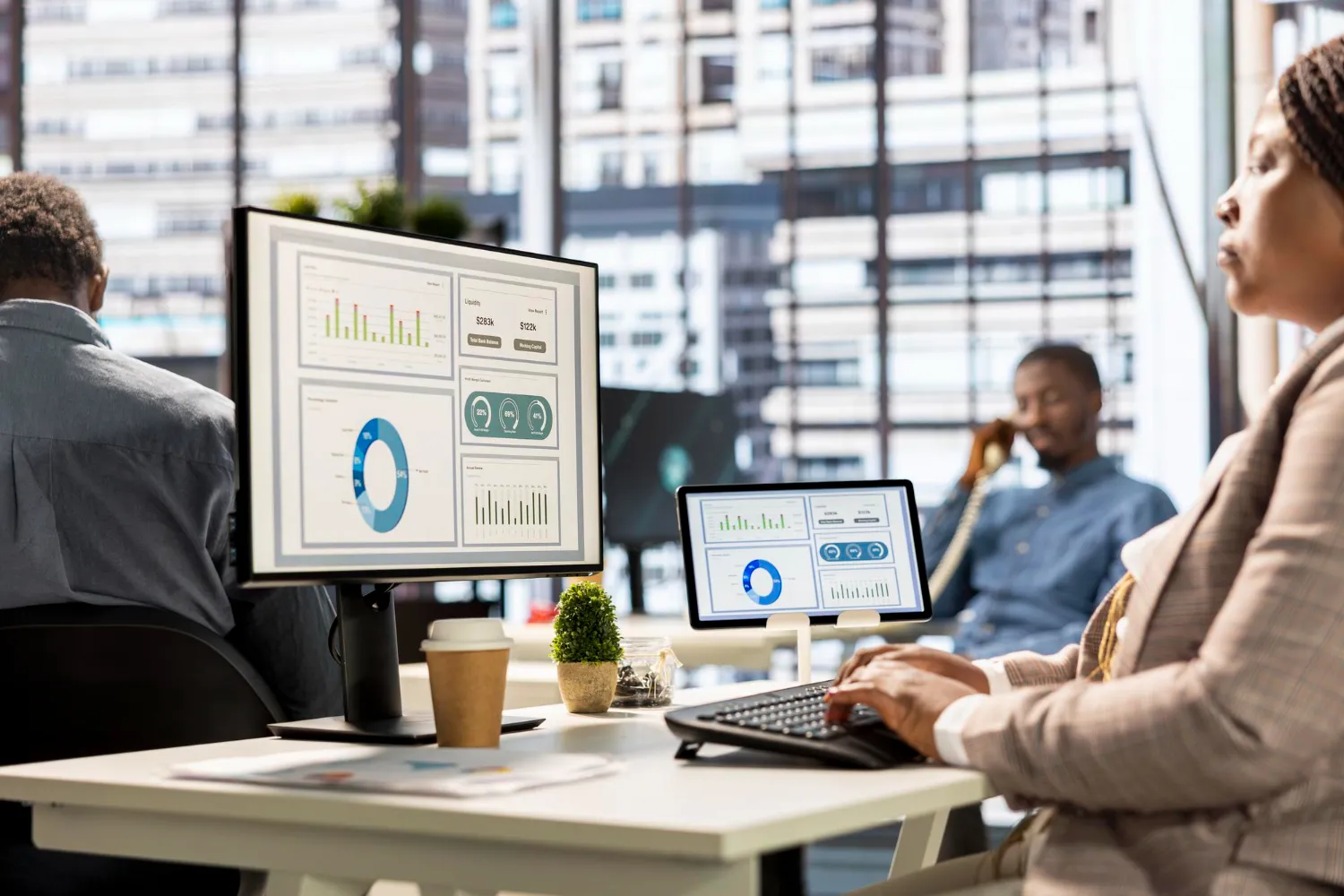
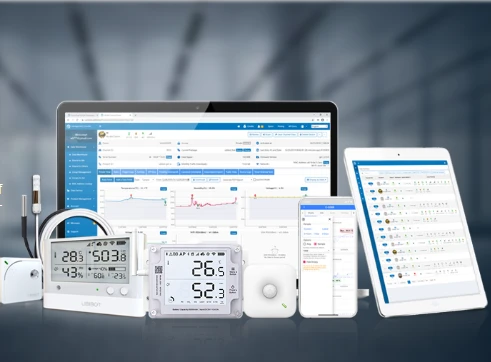
Look for a platform that gives authorized staff access to relevant patient data through a centralized dashboard. Population-level visibility can also help organizations identify trends across groups of patients instead of reviewing every patient's information separately.
Real-time data can support more informed conversations and help care teams determine when follow-up may be appropriate.
Patient communication and engagement tools
Remote patient care should not be limited to collecting measurements.
Communication can be equally important. Depending on the program, useful capabilities may include video calls, reminders, messaging, education, surveys, and other engagement features.
These tools can help maintain communication between patients and care teams between in-person appointments.
Patient engagement is especially relevant for people who experience social isolation or have difficulty accessing traditional healthcare services.
Telehealth capabilities
Remote monitoring and telehealth can complement one another.
For example, a patient may submit health information remotely and then need to discuss a concern with a healthcare professional. Having communication and telehealth capabilities within the broader care environment can reduce the need to move between disconnected systems.
When evaluating a service, consider whether telehealth is integrated into the workflow and whether patients can access remote consultations without unnecessary technical complexity.
Support for different care programs
Healthcare organizations may have different goals for their remote care programs.
Some may focus on Remote Patient Monitoring, while others may also need Chronic Care Management, Remote Therapeutic Monitoring, behavioral health support, preventive services, or Social Determinants of Health assessments.
Choosing a platform that can support multiple care models may provide greater flexibility as an organization's remote care program develops.
The important consideration is whether the available services match the organization's patient population, clinical objectives, and operational requirements.
Implementation and staff training
Even good technology can be difficult to deploy without an effective implementation process.
Ask what support is available before and after launch. This can include configuration, project management, staff training, technical documentation, patient onboarding, and ongoing support.
Training should cover more than how to operate the software. Staff should understand how the technology fits into their daily workflows and how patients will interact with it.
A structured implementation process can help organizations introduce remote patient care without creating unnecessary disruption.
Device logistics and ongoing support
Remote monitoring programs involve physical equipment, which means logistics matter.
Healthcare organizations should consider how devices are shipped, configured, replaced, and maintained. A missing cable or malfunctioning device can interrupt monitoring for a patient.
Ask potential providers how they handle equipment delivery, replacements, technical problems, and support requests.
Ongoing operational support can be just as important as the initial technology selection.
Security and privacy
Remote monitoring involves sensitive health information, so security should be part of the evaluation process from the beginning.
Healthcare organizations should understand how patient information is protected, managed, and transmitted. They should also review the provider's relevant security controls and compliance practices.
For example, the platform described on the website uses HIPAA-compliant data security and has undergone a SOC 2 Type II audit.
Organizations should still conduct their own compliance and security review based on their specific requirements.
Accessibility for hard-to-reach patients
A major consideration is whether the service can reach the patients who may be least comfortable with traditional digital healthcare.
Older adults, homebound patients, people living in rural areas, individuals with disabilities, and people without home internet may need additional flexibility.
Remote patient monitoring services should therefore be evaluated based not only on technical capabilities but also on accessibility.
Simple interfaces, flexible connectivity, patient education, technical assistance, and multiple ways to communicate can all contribute to more inclusive remote patient care.
A complete workflow rather than isolated technology
Finally, consider how all the individual pieces work together.
A remote monitoring program may involve:
- Patient enrollment
- Device delivery and setup
- Health data collection
- Data review
- Patient communication
- Clinical follow-up
- Documentation
- Ongoing engagement and support
If these activities are spread across disconnected tools and manual processes, managing the program can become difficult.
A more integrated approach can bring devices, patient communication, data visualization, telehealth, implementation, and support into a coordinated workflow. This can be particularly useful for organizations managing larger patient populations.
Questions to ask before choosing a service
Before selecting remote patient monitoring services, healthcare organizations should ask:
- Can the solution support our patient population?
- What types of monitoring devices are available?
- Does the technology require home Wi-Fi?
- How is patient data collected and displayed?
- Can patients communicate with care teams remotely?
- Is telehealth available?
- What implementation support is included?
- How are staff and patients trained?
- Who handles technical support and device logistics?
- What security and compliance controls are in place?
- Can the platform support other remote care programs as our needs change?
These questions can help organizations evaluate services based on their actual operational and patient-care requirements rather than focusing only on individual features.
Making remote patient care more practical
Remote patient monitoring works best when technology supports the care process instead of becoming another obstacle for patients and staff.
The right solution should make it easier to collect relevant health information, communicate with patients, review data, and maintain ongoing care outside the traditional clinical setting.
For healthcare organizations, the evaluation should therefore go beyond devices and dashboards. Consider patient accessibility, connectivity, communication, telehealth, data visibility, implementation, training, security, and ongoing operational support.
When these elements work together, remote patient monitoring can become a practical component of broader remote patient care and help healthcare teams stay connected with patients beyond the walls of a clinic.






















Sign in to leave a comment.