

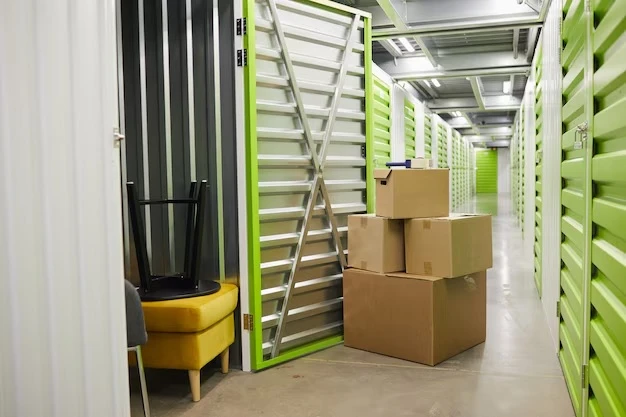
Choosing storage units in Lancaster gets easier when you start with item volume. Unit labels sound simple, but real storage needs are rarely uniform.
Furniture, boxes, appliances, and access space all affect the final fit. A good size choice should leave room for safe stacking and retrieval.
Start With an Inventory
Before comparing sizes, list everything you plan to store. Group items by room, category, or moving priority.
Measure large pieces first. Sofas, dining tables, beds, shelves, and appliances can determine your minimum space.
Count boxes after packing, not before. Estimates often change once belongings are sorted.
Also note items that cannot be stacked. Fragile furniture and awkward equipment use more floor space.
This inventory makes storage units easier to size accurately.
5x5: Best for Small Loads
A 5x5 unit works like a compact storage closet. It can hold boxes, seasonal decorations, small furniture, and personal items.
This size may suit dorm storage or light decluttering. It can also support document or supply storage.
Do not expect it to handle a full apartment. Large furniture can use the available floor space quickly.
Use vertical stacking when boxes are sturdy. Keep fragile belongings away from heavy loads.
5x10: Useful for Apartment Storage
A 5x10 unit offers more flexibility for small moves. It may hold bedroom furniture, boxes, and several household pieces.
This size can work during apartment transitions. It may also suit renovation storage for one or two rooms.
Disassemble beds, tables, and shelving when practical. That creates more usable space.
Place mattresses upright only when properly supported. Avoid bending items that need to remain flat.
Storage units at this size reward careful packing.
10x10: A Versatile Middle Ground
A 10x10 unit gives you a square layout. That can make furniture placement and access easier.
It may suit belongings from a small home or larger apartment. It can also support renovation or downsizing projects.
Create zones inside the unit. Keep boxes together, furniture together, and frequently used items near the entrance.
Leave a walkway if you expect regular access. A packed wall-to-wall unit can become difficult to manage.
10x15 and 10x20: For Larger Moves
Larger units suit bigger household loads and bulky furniture. They can also help when several rooms need temporary storage.
A 10x15 unit may fit a substantial household collection. A 10x20 gives more room for larger moves or business inventory.
These sizes require better planning. Extra room can tempt people to pack without structure.
Use shelving when allowed and appropriate. Keep heavy items low and stable.
10x30: For Major Storage Needs
A 10x30 unit offers significant capacity. It may suit large household moves, extended renovations, or commercial storage needs.
Do not choose this size only for convenience. Large units can cost more and encourage inefficient packing.
Estimate your actual inventory first. Consider whether two organized zones are better than one oversized open space.
Businesses should also plan retrieval routes. Inventory loses value when staff cannot reach it efficiently.
Plan for Access Space
People often calculate only item volume. They forget the space needed to move around.
If you will rarely visit, tighter packing may work. If you need regular access, leave a central walkway.
Place important boxes near the front. Store seasonal or long-term items farther back.
Use labels on multiple sides of each box. That prevents unnecessary moving during retrieval.
Well-planned storage units can feel larger because the space remains functional.
Avoid the Two Most Common Size Mistakes
The first mistake is choosing a unit by guesswork. The second is paying for extra room “just in case.”
Both can be avoided with measurements and a simple inventory.
Do not rely only on room counts. Two bedrooms can contain very different amounts of furniture.
Also consider packing style. Stackable boxes use space better than loose bags or mixed containers.
Storage units should fit your belongings and your access needs.
Choose the Smallest Practical Size
The best size is not the smallest possible box around your belongings. It is the smallest practical space for safe storage. The right storage units in lancaster should provide usable space, not empty wasted space.
Allow room for fragile items, air movement, and retrieval. Do not create unstable towers of boxes.
When comparing storage units, picture moving day and future visits. Both should remain manageable.
Choose your size from measured belongings, expected storage length, and access frequency. That approach reduces wasted space and prevents frustrating upgrades later.

























Sign in to leave a comment.