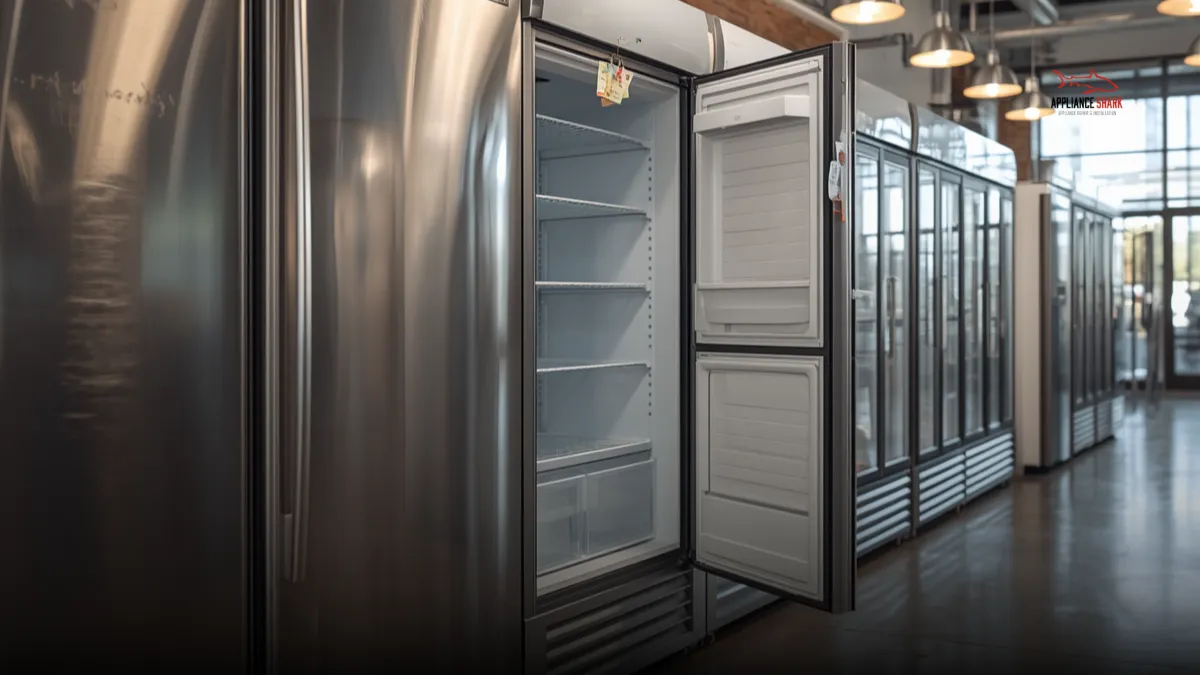

Before buying scratch and dent freezers, the checks that matter most are the door seal integrity, the compressor function, and a confirmed temperature test showing the unit can actually reach and hold a freezing temperature. Everything else is secondary. We bought our chest freezer through a scratch and dent dealer two years ago. The unit had a dent on the left side panel and a surface scratch on the rear. Both are against the garage wall where the freezer lives. We paid $380 for a unit that retailed at $640. It has been running without interruption since installation and maintains the consistent deep freeze temperature we need for long-term food storage. The cosmetic imperfections that created the savings have been invisible since day one.

Key Takeaways
- Scratch and dent freezers freeze food identically to full-price units because the cosmetic damage stays on the exterior and never touches the compressor, sealed system, or interior cavity
- The most important checks are the door seal condition, compressor engagement, the unit's ability to reach and hold operating temperature, and any visible signs of prior moisture or rust inside
- Chest freezers and upright freezers have different inspection priorities. Knowing which you are buying helps you focus on the right things before committing
- Savings on scratch and dent freezers typically run 25 to 50 percent off retail, which makes premium capacity and brand-name quality genuinely accessible for everyday household budgets
- Reputable dealers like Appliance Shark inspect, document, and test every freezer before sale so buyers know what they are getting and can make a confident purchase
Why Scratch and Dent Freezers Are a Practical Purchase
Freezers are one of the more forgiving appliance categories for scratch and dent purchasing, for a few specific reasons that stack up in the buyer's favor.
The Mechanical System Is Inside and Protected
A freezer works through a sealed refrigerant system. The compressor, condenser coils, evaporator coils, and refrigerant lines are inside the unit or mounted to the back. They are protected by the cabinet walls and insulation that separates them from the exterior surfaces where cosmetic damage typically occurs.
A dent on the side panel of a chest freezer is a surface deformation in the exterior sheet metal. The compressor behind that panel runs in an insulated compartment that the freight impact never reached. The cosmetic damage happened to the shell. The mechanical system inside was already tested and working before the unit ever left the factory.
Freezers Often Go in Garages, Basements, or Utility Spaces
This is a practical advantage that makes cosmetic concerns even less relevant. Most standalone freezers end up in garages, basements, laundry rooms, or utility areas where visual aesthetics are not the priority. A dented side panel in a garage freezer is not something anyone looks at or thinks about. It just stores food.
Even for kitchen or pantry freezers, the unit often sits against a wall with one or both side panels out of normal sight lines. The cosmetic concern that created the discount frequently becomes irrelevant from a placement standpoint regardless of where the unit ends up.
The Savings Are Real and Meaningful
Chest freezers and upright freezers range in retail price from $250 for smaller entry-level units to $1,200 or more for large capacity premium models. Scratch and dent discounts in this category run 25 to 50 percent off retail, which translates to savings of $75 to $400 or more per unit depending on the size and brand.
For a secondary household freezer used for bulk food storage, a $350 scratch and dent chest freezer that retailed at $580 is a genuinely compelling purchase. The performance is the same. The storage capacity is the same. The appearance in a garage context is irrelevant.
Chest Freezer vs Upright Freezer: Different Units, Different Priorities
The type of freezer you are buying changes which inspection points deserve the most attention. Understanding the differences before you walk into a dealer helps you inspect more efficiently.
Chest Freezers
Chest freezers open from the top with a hinged lid. The most vulnerable surfaces for cosmetic damage during freight are the side panels, which are large and exposed. Rear surfaces and bottom sections are also common damage locations.
For a chest freezer, the inspection priorities are:
- Lid seal along the full perimeter of the opening
- Lid hinge condition and smooth operation
- Interior walls for any cracks, deformation, or rust
- Compressor engagement and temperature confirmation
- Drain plug presence and condition if the model has one
The lid seal is the most critical functional check on a chest freezer. It runs along the full perimeter of the lid opening and keeps cold inside. A compromised seal forces the compressor to work harder and eventually causes temperature consistency problems. Press along its full length and confirm consistent compression everywhere it contacts the cabinet edge.
Upright Freezers
Upright freezers have a front-opening door similar to a refrigerator. They typically have multiple shelves or drawers for organization. Side panels and rear surfaces take the most freight damage in this configuration as well.
For an upright freezer, the inspection priorities are:
- Door seal along the full perimeter of the door opening
- Door hinge operation and alignment
- All interior shelves and drawers present and functional
- Temperature confirmation across multiple shelf levels
- Any moisture or frost buildup patterns inside the cavity that might indicate prior issues
The door seal on an upright freezer works the same way as on a refrigerator. Press along the full perimeter, confirm consistent compression and rebound, and look for any gaps, tears, or flat sections that indicate the seal has been compromised.
The Full Inspection Checklist for Scratch and Dent Freezers
Running through this checklist before any scratch and dent freezer purchase takes about twenty minutes and covers everything that matters.
Step One: Confirm All Documented Damage
Compare the seller's written condition documentation to what you see in person. Every listed issue should match the physical unit. Then check surfaces that were not flagged. Look at the rear panel if accessible, corners, and the underside of the lid or door.
If you find something that was not mentioned, ask directly. The response tells you as much about the seller's process as the documentation does.
Step Two: Door or Lid Seal Inspection
For both chest and upright freezers, this is the most important functional check. Run your fingers along the full perimeter of the seal. It should compress evenly and spring back consistently everywhere it contacts the frame or cabinet edge.
Look specifically for:
- Any section that feels flat or compressed permanently
- Tears or cuts in the gasket material
- Areas where the seal has pulled out of its mounting groove
- Gaps in the corners, which are the most common failure points
Close the lid or door fully and check from the outside whether it appears to sit flush against the seal around its complete perimeter. Any visible gap indicates a seal that is not functioning correctly.
Step Three: Compressor Engagement
Power the freezer on and wait for the compressor to engage. On most units, this happens within the first few minutes of being powered on after being at room temperature. The compressor produces a low, consistent hum. It should engage smoothly without clicking, grinding, or extended delay before starting.
A compressor that takes an unusually long time to engage, makes abnormal sounds during startup, or cycles on and off rapidly may indicate a mechanical concern worth investigating before purchase.
Step Four: Temperature Test
This is the confirmation that matters most and the one that no amount of visual inspection can replace. The freezer needs to demonstrate that it can actually reach and hold freezing temperature.
If the unit has been running in the dealer's warehouse or showroom, confirm the internal temperature is already at or below 0 degrees Fahrenheit for a deep freeze unit, or at or below 32 degrees Fahrenheit for a standard freezer section.
If the unit has not been running, ask the dealer to power it on and allow it to run for a minimum of thirty to sixty minutes before your inspection visit. Temperature drop during that time confirms the sealed system is working correctly.
Some dealers document this confirmation as part of their standard inspection process. Appliance Shark includes temperature confirmation in their inspection documentation for every freezer unit, which means buyers arrive with that baseline already established.
Step Five: Interior Condition
Open the freezer fully and assess the interior independently of the exterior condition.
Look for:
- Any rust spots, especially near the drain plug area in chest freezers or along the bottom interior edges of upright models
- Interior wall cracks or deformation that would compromise the insulation
- Frost buildup patterns that seem uneven or concentrated in specific areas, which can indicate an airflow or seal issue
- Any odor that suggests prior contents were left inside during a power interruption
Rust inside a freezer can spread over time and eventually affect food storage safety. Minor surface rust near a drain plug area is manageable with treatment. More widespread rust is a concern that warrants a significant price reduction or a different unit.
Step Six: Exterior and Cosmetic Confirmation
After completing the functional checks, do a thorough exterior review. Confirm damage locations against your planned placement. For a garage or basement freezer, think about which surfaces will face walls and which will be accessible from your normal access path.
Mark out mentally which surfaces you will actually see during daily use and confirm the documented damage is not on those surfaces. In most cases, it is not.
The Brands Worth Looking for in Scratch and Dent Freezer Inventory
Targeting established brands makes scratch and dent freezer purchases more reliable and more serviceable over the long term.
GE: Upright and chest freezer models appear regularly in scratch and dent channels. GE's service network and parts availability make long-term ownership practical and affordable.
Whirlpool: Consistent mechanical reliability and deep parts availability. A Whirlpool scratch and dent chest or upright freezer at 30 percent off retail is one of the most reliable long-term purchases in the category.
Frigidaire: Strong presence in the chest freezer category. Frigidaire's entry-level and mid-range chest freezers appear frequently in scratch and dent inventory and represent solid value at discounted prices.
Samsung: Feature-forward options including smart connectivity appear in scratch and dent inventory occasionally. When available at meaningful discounts, Samsung upright freezers offer premium features at accessible prices.
Maytag: Built for durability with a strong service reputation. Maytag scratch and dent freezers are worth seeking out specifically because the brand's mechanical track record reduces long-term risk on the purchase.
Shop Scratch and Dent Freezers With Confidence. Contact Appliance Shark Today
The right scratch and dent freezer is available right now through the right dealer. Appliance Shark carries inspected, tested, and honestly documented scratch and dent freezers across major brands, with confirmed compressor function, temperature testing, and clear condition notes on every unit.
Contact Appliance Shark today, browse their scratch and dent freezer collection now, and find a brand-name unit confirmed to freeze correctly before it ever reaches your home.
Do you have a freezer that needs repair? Schedule a Book Repair now and let Appliance Shark's certified technicians restore it to full freezing performance with the skill and care your household depends on.
Frequently Asked Questions
Do scratch and dent freezers keep food as well as brand new ones?
Yes. Freezing performance depends on the sealed refrigerant system and compressor, which are not affected by exterior cosmetic damage.
What is the single most important check before buying a scratch and dent freezer?
The door or lid seal. A compromised seal allows warm air in, which forces the compressor to work harder and eventually causes temperature inconsistency. Always inspect the full seal perimeter before committing.
Is rust inside a scratch and dent freezer a dealbreaker?
Minor surface rust near a drain plug can be managed. More widespread rust inside the cavity is a genuine food safety and longevity concern that warrants either a significantly deeper discount or choosing a different unit.
How long does a scratch and dent freezer typically last?
The same as a full-price version of the same model. Lifespan is determined by the compressor and mechanical systems, not the cosmetic condition of the exterior. Proper maintenance and seal care extend the life of any freezer regardless of purchase channel.
Will the cosmetic damage on a scratch and dent freezer be visible in my garage or basement?
Almost certainly not. Scratch and dent freezers in utility spaces are usually placed against walls with damaged surfaces completely out of normal sight lines from the start.






















Sign in to leave a comment.