

Choosing a distributor requires careful due diligence. A business should not evaluate a potential supplier only by looking at product range or pricing. Supplier credentials, product documentation, quality controls, legal compliance, logistics, and communication can all affect the reliability of a distribution relationship.
This is especially important when researching a vape distributor for smoke shops, because vaping and nicotine products can be subject to strict rules that vary by country, state, and local jurisdiction.
A structured evaluation can help businesses understand their responsibilities and identify potential supply-chain risks before establishing a commercial relationship.
1. Verify the Distributor's Business Credentials
Start by confirming that the distributor operates as a legitimate business. Review its business registration, operating history, physical business information, and relevant licenses or permits.
Do not rely entirely on information published in advertisements or online listings. Ask for appropriate documentation and verify important details independently.
A transparent distributor should be able to provide clear information about its business operations and supply channels.
2. Check Product Documentation
Product documentation provides important information about what a distributor supplies. Depending on the market and product type, relevant documents may include product specifications, testing information, ingredient details, labeling information, and compliance records.
Businesses should make sure documentation applies to the exact products being considered.
They should also check whether documents are current. Outdated or incomplete records can create compliance problems later in the supply chain.
3. Confirm Regulatory Compliance
Regulatory compliance should remain a priority before establishing any distribution relationship. Rules governing nicotine and vaping products can cover manufacturing, imports, packaging, labeling, advertising, sales, taxation, and age verification.
Requirements vary between jurisdictions and can change over time.
Businesses should therefore verify current official requirements for their specific location and intended sales channel. When necessary, they should obtain advice from a qualified compliance professional.
4. Evaluate Product Quality
A reliable supply relationship depends on consistent product quality. Businesses should ask distributors how they manage product quality and whether they maintain batch or lot information.
It can also be useful to understand where products are manufactured and how suppliers handle quality issues.
Clear quality procedures can help businesses identify potential problems before products enter their inventory.
5. Review Packaging and Labels
Packaging is not only important for product protection. It can also form part of regulatory compliance.
Review whether packaging contains the information required in the intended market. Depending on local rules, requirements may involve warnings, ingredients, manufacturer details, nicotine information, age restrictions, or other information.
Businesses should verify these requirements independently rather than assuming that packaging approved for one market is suitable for another.
6. Understand the Supply Chain
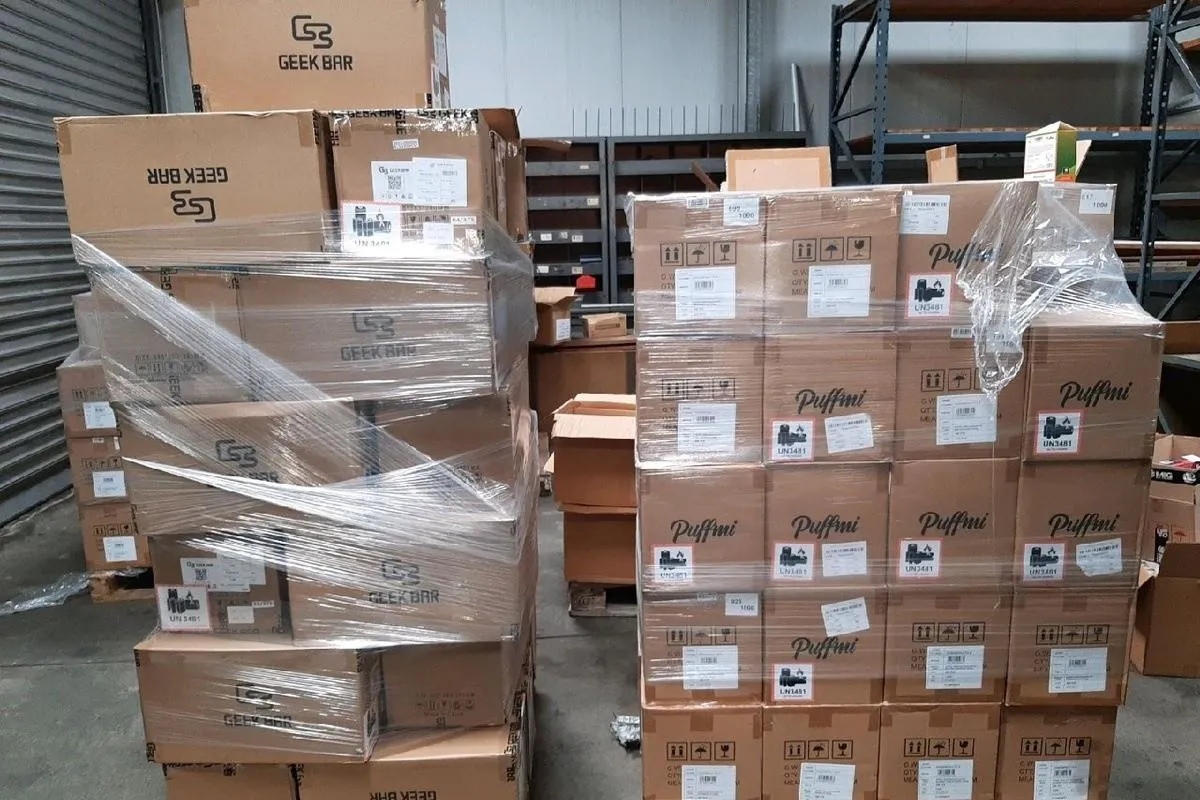
Ask the distributor where products come from and who is responsible for manufacturing, importing, warehousing, and transportation.
Supply-chain transparency can help businesses understand product traceability and identify the responsible parties if a problem occurs.
For products involving batteries or other regulated shipping considerations, businesses should also understand applicable transportation and storage requirements.
7. Check Inventory and Fulfilment Processes
Distribution reliability depends partly on inventory management. Businesses should understand how the distributor manages stock, orders, shipping schedules, and product availability.
Ask about lead times and how the distributor handles shortages or delayed shipments.
Clear fulfilment procedures can make it easier for businesses to plan inventory and avoid unnecessary supply interruptions.
8. Review Returns and Quality-Issue Procedures
Even established suppliers can encounter defective products, damaged shipments, or other quality concerns.
Before entering a relationship, businesses should understand how the distributor handles returns, damaged goods, complaints, and product recalls.
A documented procedure can make it easier to respond quickly when an issue occurs.
9. Examine Communication and Support
Good communication can make supplier relationships easier to manage. A distributor should provide clear information about products, orders, documentation, shipping, and quality concerns.
Pay attention to how the distributor responds to questions during the evaluation stage.
If basic documentation requests receive unclear or inconsistent answers, businesses should investigate further before establishing a relationship.
10. Review Pricing Carefully
Price should not become the only factor when comparing distributors. Businesses should also consider documentation, product quality, shipping, order requirements, returns, and compliance responsibilities.
A lower quoted price may not represent a lower overall cost if products create additional inspection, documentation, or compliance issues.
A complete evaluation provides a more realistic picture of the relationship.
11. Check Traceability
Traceability helps businesses identify products by batch, lot, or other suitable identifiers.
This information can become important when a product-quality issue or regulatory concern appears. A traceable supply chain can help businesses identify affected inventory and communicate with the appropriate supplier.
Ask distributors how they record product batches and maintain relevant supply documentation.
12. Consider Market-Specific Requirements
A vape distributor for smoke shops may serve businesses operating under different local requirements. Before establishing a relationship, confirm that the distributor understands the rules applicable to the intended market.
Businesses should consider age-verification obligations, permitted products, labeling requirements, taxation, advertising restrictions, and any applicable registration or authorization requirements.
Never assume that compliance in one jurisdiction automatically applies elsewhere.
13. Maintain Supplier Records
Keep copies of important supplier documents, product specifications, invoices, compliance records, batch information, and communication.
Good recordkeeping creates a useful audit trail and can help businesses respond more effectively to quality or regulatory questions.
It also makes future supplier reviews easier because businesses can compare current information with previous records.
Conclusion
Before partnering with a vape distributor for smoke shops, businesses should conduct thorough due diligence. Supplier credentials, product quality, documentation, packaging, traceability, logistics, communication, returns procedures, and regulatory compliance all deserve careful attention.
The most important step is to verify the laws and requirements that apply to the intended market. Regulations for nicotine and vaping products can vary significantly and may change over time.
A compliance-first evaluation can help businesses understand their responsibilities, identify potential risks, and make more informed decisions about supplier relationships.




















Sign in to leave a comment.