What to Consider When Choosing a Leisure Pools Installer NC Coast


A swimming pool can transform a backyard into a relaxing retreat, provide space for family recreation, and enhance the overall appeal of a coastal property. However, successful pool installation requires careful planning, appropriate site preparation, and attention to local environmental conditions. Homeowners considering a Leisure Pools installer NC coast should evaluate experience, installation procedures, material requirements, and project management before making a decision. Coastal properties may present challenges involving sandy soil, heavy rainfall, humidity, and drainage. Choosing a qualified professional helps homeowners understand these considerations and plan a pool installation that complements their property and outdoor lifestyle.
Evaluating Experience and Installation Expertise
Experience is an important consideration when selecting a swimming pool installation contractor. Fiberglass pool projects involve several stages, including site assessment, excavation, foundation preparation, shell placement, plumbing connections, backfilling, and finishing work. Each stage must be coordinated carefully to support the pool's stability and long-term performance. Homeowners should ask contractors about their experience with comparable projects, the installation methods they follow, and the challenges they have addressed on coastal properties. A professional who explains the process clearly can help homeowners understand what the project involves and establish realistic expectations before construction begins.
Reviewing Previous Pool Installations
Examining completed projects can help homeowners evaluate a contractor's workmanship and attention to detail. Photographs and references may reveal how the pool integrates with surrounding patios, landscaping, fencing, and outdoor entertainment areas. Homeowners should look for consistent finishes, well-organized equipment areas, appropriate drainage, and attractive transitions between the pool and its surroundings. When possible, speaking with previous customers can provide additional insight into communication, scheduling, and the overall installation experience. Reviewing several examples rather than relying on a single showcase project helps property owners make a more informed decision about the contractor's capabilities.
Asking About Technical Knowledge
Technical knowledge is essential because fiberglass pool installation depends on proper preparation and coordination. Contractors should understand excavation requirements, foundation specifications, groundwater considerations, plumbing layouts, and the manufacturer's installation instructions. Homeowners should ask how the contractor evaluates soil conditions and responds to unexpected site issues. They should also clarify who will supervise the work and coordinate any specialized trades. Clear, practical answers can indicate whether the proposed installation process has been carefully considered. This discussion also helps identify responsibilities that might otherwise be overlooked, including inspections, equipment connections, and final commissioning before the pool is used.
Assessing Coastal Property Conditions
Coastal locations throughout North Carolina can experience weather and ground conditions that influence swimming pool construction. Sandy soils, high rainfall, humid air, and seasonal storms may affect excavation, drainage, and construction schedules. Certain properties may also have elevated groundwater levels or other site-specific restrictions that require additional assessment. Before recommending an installation plan, a contractor should evaluate the property's topography, soil characteristics, access points, and surrounding structures. This information helps determine whether additional preparation is necessary and supports decisions about the pool's placement, supporting materials, drainage arrangements, and the protection of nearby landscaping.
Understanding Soil Stability and Groundwater
Soil stability is a significant consideration when installing a fiberglass pool. The excavation must be prepared according to the pool manufacturer's specifications so the shell receives appropriate support throughout its base and surrounding structure. Sandy soil may shift during excavation, while groundwater can create additional challenges depending on local conditions. Homeowners should ask how the contractor evaluates these factors and whether specialized drainage or groundwater management measures may be required. Proper planning helps reduce the risk of movement, uneven support, or other installation problems. Site-specific recommendations are especially important because conditions can differ considerably between properties.
Planning Effective Drainage
Drainage should be considered before excavation and landscaping begin. Rainwater that collects around the pool area may contribute to erosion, muddy surfaces, or damage to nearby structures. A suitable design should direct surface runoff away from vulnerable areas while following applicable drainage requirements. Contractors may recommend grading adjustments, drainage channels, or other measures depending on the property's layout. Homeowners should also ask how water from patios and surrounding roofs will be managed. Addressing drainage during the planning stage can prevent avoidable complications and help maintain a cleaner, safer, and more attractive pool environment after construction is complete.
Choosing the Right Pool Design
Fiberglass pools are available in a variety of shapes, dimensions, depths, and configurations. Some designs prioritize open swimming space, while others emphasize relaxation, built-in seating, or family recreation. The most suitable option depends on the property's available area, household preferences, budget, and intended use. Homeowners should evaluate how the pool will fit within the existing landscape and whether enough space will remain for walkways, seating, fencing, and maintenance access. Reviewing design options with an experienced installer helps connect visual preferences with practical requirements and ensures the selected pool supports the way the backyard will be used.
Matching Pool Dimensions to the Backyard
Pool dimensions should reflect the size and shape of the available installation area. A larger pool may provide additional swimming space, but it can reduce room for landscaping, patios, and outdoor furniture. Smaller designs may leave more space for entertaining while still supporting recreational swimming. Homeowners should also consider property boundaries, utility locations, access routes, and applicable setback requirements. The installation plan should account for the surrounding deck or patio, equipment placement, and safe movement around the water. Careful measurement and layout planning help create a balanced backyard that remains functional after the pool is installed.
Considering Features and Finishes
Pool features can influence comfort, appearance, maintenance, and overall project cost. Depending on the selected design, options may include integrated steps, seating areas, lighting, water features, heating systems, and different finishing arrangements. Homeowners should identify which features offer meaningful benefits instead of adding options simply because they are available. The surrounding materials should also complement the home's exterior and withstand local weather conditions. Contractors should explain how proposed features affect installation requirements and ongoing maintenance. Making these decisions early can simplify project coordination and reduce the likelihood of expensive design changes during construction.
Understanding the Fiberglass Pool Installation Process
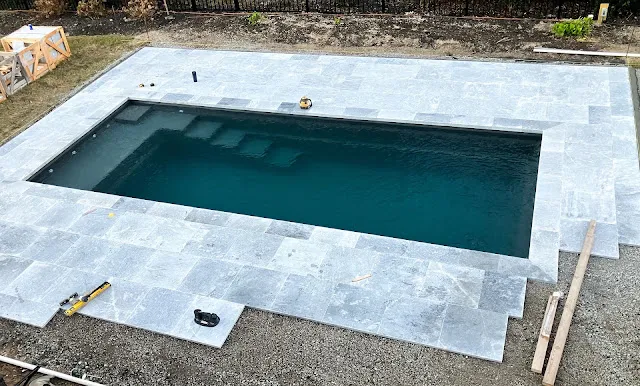
A typical fiberglass pool project begins with planning and site preparation before moving into excavation and shell placement. Once the excavation is prepared, the installer follows the manufacturer's requirements for the supporting base, positioning, plumbing, and backfilling. The pool must remain properly supported as the surrounding area is completed. Equipment connections, inspections, surrounding hardscaping, and final system checks follow according to the project's scope. Homeowners should ask for a clear explanation of these stages before construction begins. Understanding the sequence helps property owners prepare for site access restrictions, scheduling decisions, and coordination with other outdoor improvement work.
Preparing the Site and Excavation Area
Site preparation involves identifying utilities, confirming measurements, establishing equipment access, and protecting nearby property features. Excavation must match the selected pool's specifications and account for the actual soil conditions encountered. Contractors should explain how excavated material will be handled and whether access limitations may affect equipment delivery. Existing irrigation lines, trees, fences, and underground utilities may require special attention. Homeowners should confirm that necessary approvals and utility-location procedures are completed before ground disturbance begins. Careful preparation supports a more organized installation process and helps reduce the likelihood of preventable delays or property damage.
Positioning the Pool Shell
Positioning a fiberglass shell requires suitable equipment, careful measurements, and attention to the manufacturer's installation instructions. The installer must ensure that the shell is properly aligned and supported before the surrounding installation work proceeds. Backfilling, water filling, and groundwater management may need to be coordinated according to specific requirements. Homeowners should ask how these activities will be monitored and who is responsible for verifying the installation at each stage. Understanding these procedures provides reassurance that the project is being managed systematically. It also allows property owners to recognize why certain construction steps should not be rushed or altered without appropriate guidance.
Comparing Installation Costs and Project Estimates
The overall cost of a fiberglass pool project depends on more than the pool shell itself. Excavation, delivery, foundation preparation, plumbing, filtration equipment, electrical work, decking, fencing, landscaping, and permitting can all affect the final investment. Property access and unexpected ground conditions may also influence expenses. Homeowners should request written estimates that identify the work included, the materials specified, and any items that could generate additional charges. Comparing detailed proposals makes it easier to understand differences between contractors and determine which option offers appropriate value. A realistic budget should also account for maintenance and operating costs after installation.
Reviewing Written Proposals
A detailed proposal should explain the project's scope, payment schedule, estimated timeline, equipment specifications, and responsibilities for each stage of construction. Homeowners should verify whether the price includes excavation, pool delivery, installation, filtration equipment, cleanup, and surrounding finishes. Any exclusions should be clearly identified so they can be budgeted separately. The contract should also describe how unexpected conditions and requested design changes will be handled. Before signing, property owners should review the terms carefully and request clarification where necessary. A transparent agreement establishes clear expectations and provides a useful reference throughout the installation process.
Planning for Long-Term Ownership Costs
Ongoing pool expenses may include electricity, water treatment products, filter maintenance, cleaning equipment, and occasional professional servicing. Heating systems, lighting, water features, and usage patterns can influence operating costs. Homeowners should ask which maintenance tasks are required and how frequently they should be completed. They should also consider the durability and maintenance requirements of the surrounding decking, fencing, and landscaping. Including these expenses in the initial budget helps prevent unrealistic expectations about affordability. A well-planned installation combines suitable equipment, practical design choices, and a manageable maintenance routine to support long-term enjoyment.
Checking Credentials, Insurance, and Warranties
Before hiring an installer, homeowners should verify relevant qualifications, insurance coverage, and experience with the proposed type of pool project. Licensing and permit requirements can vary according to the work involved, so the contractor should explain which approvals apply and who will obtain them. Homeowners should also review warranty information for the pool shell, equipment, and installation workmanship. Different components may have separate coverage terms and maintenance requirements. Written documentation helps clarify the responsibilities of the contractor, manufacturer, and property owner. Taking time to verify these details before construction begins can reduce uncertainty and help protect the investment.
Understanding Permits and Safety Requirements
Pool installation may involve building approvals, electrical inspections, zoning requirements, and specific rules for barriers or fencing. Requirements depend on the property's location and the scope of the project. Homeowners should confirm the applicable rules with the appropriate local authorities and establish who will coordinate the necessary approvals. Pool access controls, compliant fencing, gates, and other safety measures should be incorporated into the plan from the beginning. Addressing these requirements early helps avoid costly changes near the end of construction. It also supports responsible pool ownership by making safety an essential part of the completed backyard design.
Reviewing Warranty Coverage
Warranty terms should be understood before a contract is signed. Homeowners should determine which components are covered, how long the coverage lasts, and whether particular installation or maintenance practices are required to preserve protection. They should ask how warranty concerns are reported and whether service arrangements are available if an issue develops. Any limitations involving groundwater, unauthorized modifications, chemical maintenance, or other conditions should be reviewed carefully where applicable. Keeping copies of the contract, equipment manuals, inspection records, and warranty documents helps simplify future service requests and provides a clear record of the completed installation.
Integrating the Pool With Outdoor Living Features
A swimming pool can become the centerpiece of a coordinated outdoor environment when its surroundings are designed thoughtfully. Patios, outdoor kitchens, seating areas, landscape planting, and lighting can make the backyard more useful for recreation and entertaining. However, these features should be planned in relation to the pool's dimensions, access requirements, drainage, and safety measures. Homeowners should consider how people will move between the house, pool, and outdoor gathering spaces. Coordinating the different elements before construction begins can create a cohesive appearance and reduce the likelihood of disruptive modifications later.
Planning Decking and Seating Areas
Poolside decking provides space for movement, relaxation, and outdoor furniture. Material selection should account for wet conditions, slip resistance, maintenance requirements, and exposure to coastal weather. The layout should preserve access to equipment and avoid creating narrow or obstructed walkways. Seating can be positioned to support conversation while maintaining appropriate separation from pool entry points and service areas. Homeowners should discuss how the decking will connect with existing patios or future outdoor improvements. Thoughtful planning creates a more comfortable environment while helping ensure that the pool remains accessible and practical to maintain.
Enhancing Landscaping and Privacy
Landscaping can soften the appearance of pool structures and help the installation blend with the surrounding property. Suitable plants, decorative stone, privacy screens, and carefully positioned lighting can create a welcoming atmosphere. Plant selection should consider root growth, leaf litter, water requirements, and tolerance for local conditions. Homeowners should also ensure that landscaping does not obstruct drainage, damage pool components, or interfere with maintenance access. Privacy features should be positioned in accordance with property boundaries and applicable rules. A coordinated landscape plan improves the overall appearance of the backyard while supporting the practical needs of pool ownership.
Maintaining the Pool After Installation
Regular maintenance helps protect water quality, preserve equipment performance, and maintain the pool's appearance. Homeowners should follow the manufacturer's instructions for testing water chemistry, cleaning surfaces, maintaining filters, and inspecting circulation equipment. The surrounding area also requires attention because leaves, soil, and other debris can enter the pool. Coastal weather may introduce additional maintenance considerations, particularly when storms bring heavy rainfall or debris. An installer should explain the basic maintenance routine before the project is completed. Understanding these responsibilities helps homeowners keep the pool in good condition and identify developing problems before they become more difficult to address.
Protecting Pool Equipment
Pumps, filters, heaters, and electrical components should be installed in suitable locations that allow safe access for inspections and repairs. Homeowners should learn how to recognize unusual sounds, leaks, reduced circulation, or other changes that may indicate a problem. Equipment should be maintained according to manufacturer recommendations, and electrical concerns should be handled by qualified professionals. Coastal exposure makes it particularly important to follow guidance for protecting outdoor equipment and connections. Routine inspections and timely servicing can help preserve system performance, reduce unexpected interruptions, and support a more reliable pool ownership experience.
Conclusion
Choosing a suitable pool installer requires careful consideration of experience, site conditions, design preferences, installation procedures, project costs, warranties, and long-term maintenance. Coastal homeowners should give particular attention to soil stability, groundwater, drainage, weather exposure, and the safety requirements associated with swimming pools. Reviewing detailed proposals and discussing expectations before construction begins can help prevent misunderstandings and support a smoother project. With appropriate planning, a fiberglass pool can become a valuable addition to an outdoor living space. Seaside Solutions can be considered when exploring outdoor improvements that complement coastal properties and help homeowners create attractive, functional backyard retreats.




Sign in to leave a comment.