

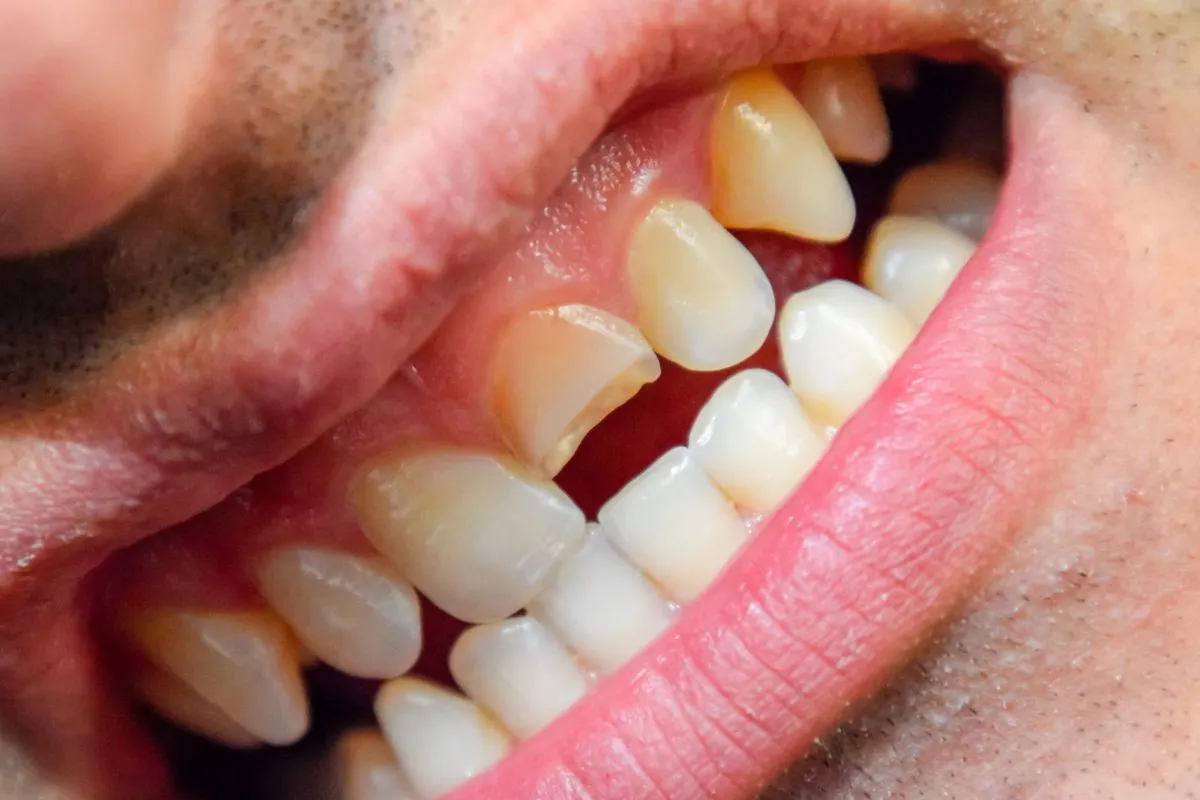
A broken or cracked tooth can happen without much warning. You may bite into something hard, experience an accident, grind your teeth at night, or simply notice a crack while eating. Knowing what to do when a tooth breaks or cracks unexpectedly can help protect the tooth and reduce the risk of additional damage.
For people in Bixby, getting a damaged tooth evaluated promptly can help determine whether the tooth can be repaired and what type of treatment may be appropriate.
Stay Calm and Protect the Damaged Tooth
The first step after cracking or breaking a tooth is to avoid putting additional pressure on the area. Do not chew on the affected side, especially if the tooth feels painful or unstable.
If a piece of the tooth has broken off, keep it in a clean container. Depending on the situation, your dentist may want to examine the fragment.
Rinse your mouth gently with warm water to remove food particles or debris. Avoid aggressively brushing the damaged area because it may be sensitive.
If there is bleeding, gently apply clean gauze to the area until the bleeding slows.
Reduce Pain and Swelling
A cracked tooth may cause sensitivity or discomfort, particularly when eating or drinking. A cold compress placed against the outside of the cheek can help reduce swelling and provide temporary comfort.
Avoid extremely hot or cold foods and drinks if they trigger sensitivity. Soft foods may also make eating more comfortable until you can receive professional dental care.
Do not place aspirin directly against the tooth or gums. This can irritate the soft tissues of the mouth.
Why Cracked Teeth Should Be Evaluated
A crack can vary significantly in size and location. Some cracks affect only the outer tooth structure, while others extend deeper into the tooth.
Even when a cracked tooth does not hurt, it is worth having it examined. A crack can sometimes become larger when the tooth experiences pressure from chewing.
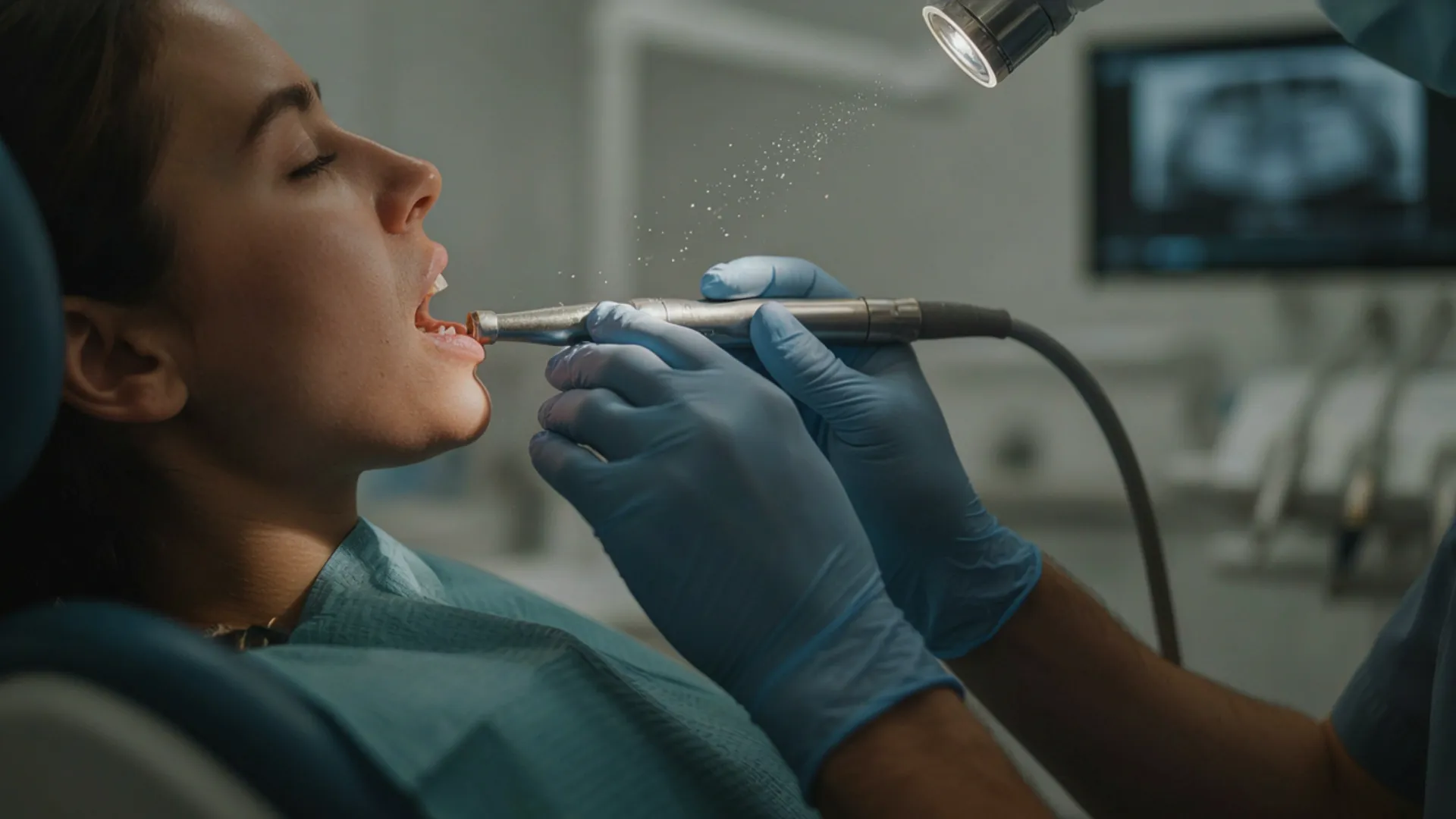
A dental evaluation may include an examination of the tooth and dental imaging when appropriate. Your dentist can then determine whether the tooth may be restored or whether another treatment is necessary.
One Eleven Dental in Bixby provides treatment for cracked teeth and notes that some damaged teeth can be preserved with restorative treatment such as a crown or, when necessary, root canal therapy followed by a crown.
Common Causes of Cracked or Broken Teeth
Several factors can contribute to tooth damage.
Biting Hard Foods
Ice, hard candy, popcorn kernels, and other hard foods can place significant pressure on teeth.
Teeth Grinding
Clenching or grinding can repeatedly stress the teeth. Over time, this pressure may contribute to chips, fractures, or other forms of tooth wear.
Dental Trauma
Falls, sports injuries, car accidents, and other impacts can damage teeth suddenly.
Large Fillings
A tooth with a large restoration may have less remaining natural structure, which can sometimes make it more vulnerable to fracture.
Age-Related Wear
Teeth naturally experience years of chewing pressure. As teeth become worn, they may become more susceptible to certain types of cracks.
When Is a Broken Tooth a Dental Emergency?
Some dental injuries require prompt attention. Contact a dental office as soon as possible if you experience significant pain, bleeding, swelling, or a tooth that has become loose after an injury.
You should also seek urgent care if a broken tooth has a sharp edge that is cutting your tongue or cheek.
If facial swelling is severe or you have difficulty breathing or swallowing, seek emergency medical attention immediately.
How Dentists May Repair a Damaged Tooth
Treatment depends on the location and extent of the damage.
A small chip may sometimes be repaired with bonding or another conservative restoration. A more extensively damaged tooth may require a crown to protect and restore its structure.
If a crack extends into the inner portion of the tooth and affects the pulp, root canal therapy may be considered. In some cases, a tooth cannot be predictably restored and extraction may be necessary.
The important point is that there is no single treatment for every cracked tooth. A professional examination is needed to determine the condition of the tooth.
Protect Your Teeth After Treatment
Once a damaged tooth has been repaired, continue protecting it with good daily habits.
Brush twice a day with fluoride toothpaste and clean between your teeth every day. Avoid chewing ice and other extremely hard objects. If you grind or clench your teeth, ask your dentist whether a nightguard may be appropriate.
Regular dental appointments can also help identify small cracks, worn restorations, or other concerns before they become more complicated. One Eleven Dental recommends routine dental care because examinations can help detect issues such as new cracks, decay, periodontal disease, and problems with existing restorations.
A cracked or broken tooth should not be ignored simply because the pain is mild. Prompt evaluation can help you understand the extent of the damage and the available treatment options. If you experience an unexpected tooth injury in Bixby, contacting a dental professional can be an important first step toward protecting your natural tooth and restoring comfortable function.






















Sign in to leave a comment.