
Flood damage can leave a vehicle with serious mechanical, electrical and interior problems, even when the damage is not immediately visible. Water can reach important components, create corrosion and leave behind moisture that continues causing problems long after the flood has passed.
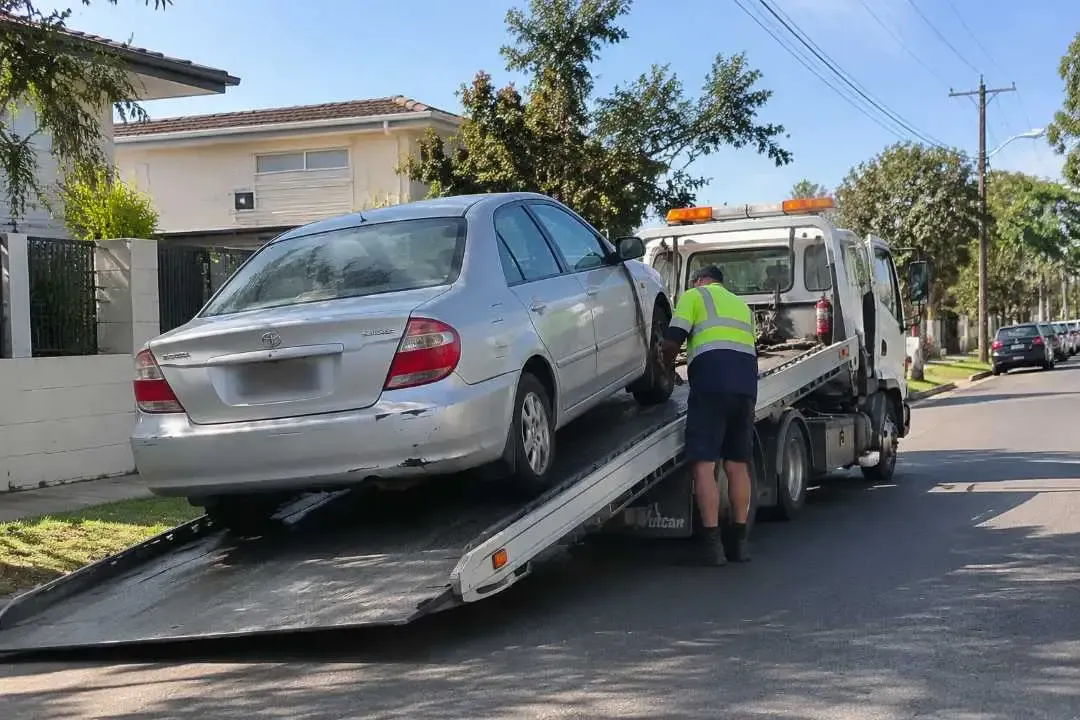
If your car has been affected by floodwater, deciding whether to repair, sell or remove it depends on the extent of the damage and the vehicle's overall condition. For many owners, arranging Flood damaged car removal can be a practical option when repairing the vehicle is too expensive or complicated.
How Flood Damage Can Affect a Car
Floodwater can affect far more than a vehicle's exterior. Depending on how high the water reached, important mechanical, electrical and safety components may have been exposed to moisture or contaminated water.
Engine and mechanical components
Water entering the engine can cause serious mechanical problems, particularly if the engine was running when the flooding occurred. Other components, including the transmission and drivetrain, may also require careful inspection.
Even when a vehicle starts after being exposed to water, that does not necessarily mean it is free from damage. Hidden moisture can create problems later as corrosion develops.
Electrical systems
Modern vehicles depend heavily on electronic systems. Water exposure can affect wiring, sensors, control modules, lighting systems and other electrical components.
Electrical faults can sometimes appear gradually rather than immediately. Warning lights, starting problems, malfunctioning accessories or inconsistent electrical behaviour may indicate that further inspection is needed.
Should You Repair a Flood-Damaged Car?
Repairing a flood-damaged vehicle may be possible in some situations, but the cost can become significant when several systems have been affected. Before spending money on repairs, it is important to understand the likely extent of the damage.
Consider the repair costs
Start by getting the vehicle professionally assessed. Ask what components require replacement or repair and compare the estimated cost with the vehicle's current market value.
If the car has extensive electrical, mechanical and interior damage, repairing everything may not make financial sense.
Think about long-term problems
Flood damage can continue causing problems after the vehicle has been cleaned and repaired. Corrosion, electrical faults and moisture-related issues may appear later, making the vehicle more difficult to maintain.
For an older car or one with extensive damage, selling it in its current condition may be more practical than investing heavily in repairs.
Signs That a Car Has Serious Flood Damage
Some flood-related problems are easy to notice, while others can remain hidden. Checking the vehicle carefully can help you understand its condition before deciding what to do.
Look for signs such as:
- Damp or unusual interior odours
- Water stains on seats or carpets
- Mud or silt in unusual areas
- Corrosion around electrical connections
- Malfunctioning lights or electronics
- Starting or running problems
- Moisture inside lights or instruments
A professional inspection can provide a clearer picture when the damage is not obvious.
What Happens to a Flood-Damaged Car?
The next step depends on the condition and value of the vehicle. Some cars may be suitable for professional repair, while others may be better suited to parts recovery or recycling.
Repair and keep the vehicle
If the damage is limited and the vehicle has sufficient value, repairing it may be worth considering. The decision should be based on a proper assessment rather than simply whether the engine starts.
Sell the vehicle as-is
Selling a damaged car in its current condition can save the owner from paying for extensive repairs. Be transparent about the flood exposure and known problems so the buyer can make an informed assessment.
Remove the vehicle
When a flood-damaged car is no longer practical to repair or keep, professional removal can provide a convenient way to clear the vehicle from your property.
This can be particularly useful when the car cannot be driven safely or has suffered extensive mechanical and electrical damage.
Why Flood-Damaged Cars Can Be Difficult to Sell Privately
Private buyers often want vehicles that can be inspected, driven and used without significant additional work. A flood-damaged car may not meet those expectations, particularly when the damage is extensive.
You may also need to answer detailed questions about the flooding, repairs and vehicle history. If the car requires specialist assessment or cannot be driven, arranging inspections can become more difficult.
Selling to a buyer familiar with damaged or unwanted vehicles can provide another option when a conventional private sale is not practical.
How to Prepare a Flood-Damaged Car for Removal
Before arranging collection, gather the basic vehicle information and explain the condition accurately. This allows the removal provider to understand what type of vehicle they will be collecting.
Useful details include:
- Make and model
- Approximate year
- Vehicle location
- Flood damage level
- Whether the car starts
- Whether the wheels can move
- Visible mechanical or electrical damage
Take clear photographs if requested, particularly of the exterior, interior and areas affected by water.
Avoid Starting a Severely Flooded Vehicle
Trying to start a heavily flooded vehicle without understanding the extent of the water exposure can potentially make mechanical or electrical problems worse. If water has entered important components, professional assessment is a safer approach.
If the vehicle cannot be driven, arrange suitable transportation rather than attempting to move it on public roads yourself.
Can a Flood-Damaged Car Still Have Value?
Yes, a flood-damaged vehicle may still have value depending on its condition. The amount can vary according to the make, model, age, usable components and severity of the damage.
Even when repairing the entire car is not worthwhile, some components may still be useful. Parts recovery and recycling can provide value from a vehicle that is no longer practical to operate.
How to Choose a Suitable Removal Option
When comparing removal options, look beyond the initial offer. Consider how the vehicle will be collected, whether the provider handles damaged cars and whether the process suits the condition of your vehicle.
It is also useful to provide accurate information from the beginning. Clear details about flood exposure and vehicle condition can help avoid unexpected issues during collection.
Final Thoughts
Flood damage can turn a reliable vehicle into a difficult and expensive repair project. Before spending heavily on repairs, assess the vehicle's condition, consider its remaining value and compare the cost of restoring it with the option of selling or removing it in its current state.
For vehicles with extensive damage, professional removal can provide a practical way to clear unwanted cars while making use of any remaining parts or recyclable materials.





























Sign in to leave a comment.