What to Expect During a Professional Roofing Installation in Traverse City

The ceiling stain showed up in March, right about when the snow on the roof started sliding off in sheets. A small brown ring, maybe the size of a coffee cup. Easy to ignore for a week. Then two. By April it had a friend.
That’s usually how a roof replacement begins in northern Michigan: slowly, then all at once, with a pile of phone calls nobody wanted to make. Sorting through roofing companies Traverse City homeowners actually recommend takes a bit of detective work, since every website promises craftsmanship and fast service. A roofing job is a sequence, and knowing the sequence makes it much harder to get taken advantage of.
The Estimate Should Involve a Ladder
Anyone who quotes a whole roof from the driveway is guessing. Period.
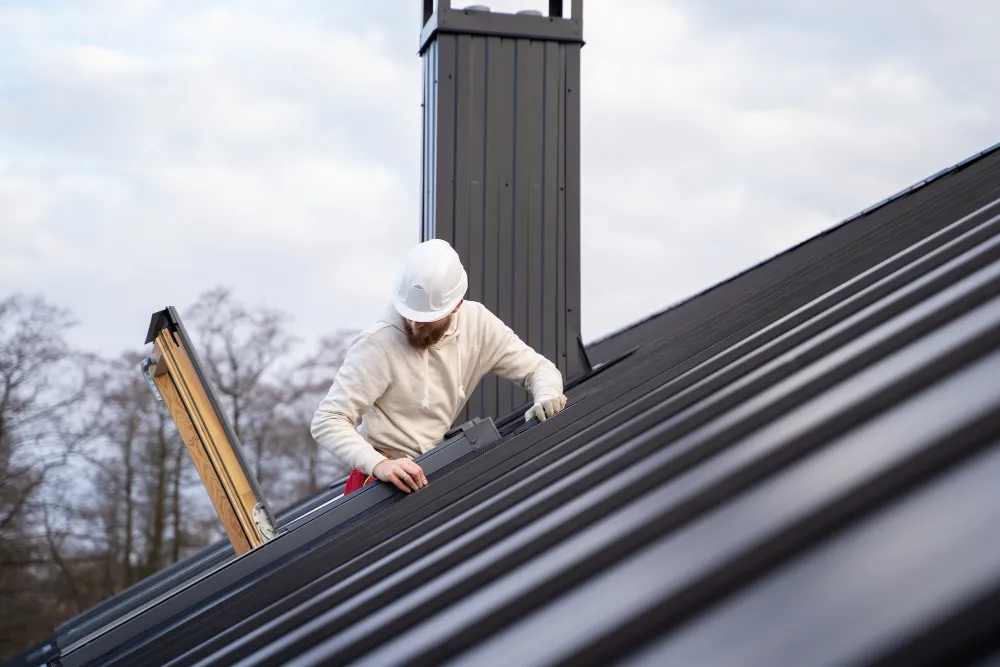
A real inspection means climbing up, checking how the shingles are wearing, and poking around the flashing at chimneys and vents. It often means a trip into the attic too, which surprises people. But the attic tells the truth about moisture, insulation, and airflow, and a roof that can’t breathe will rot from underneath while the top looks perfectly respectable. Plenty of homeowners have been shocked to learn their “mostly fine” roof had soggy decking hiding under it.
The written quote matters just as much. It should name the shingle line, the underlayment, how the attic gets ventilated, and who hauls away the old material. If a line just says “materials,” that’s a fair spot to push back. What materials? How many? Good contractors answer without getting defensive.
Choosing Materials Without Losing Your Mind
Samples are fun for about ten minutes. After that, every gray looks like every other gray.
Architectural shingles are the common pick around here, mostly because they’re thicker, handle wind better, and don’t have that flat, stamped look of the old three-tab style. Metal is creeping up in popularity too, especially on lake houses where heavy snow needs somewhere to go. It costs more upfront. Whether that pays off depends on how long the owners plan to stay.
One practical tip on color: drive around and look at full roofs, not tiny squares. A charcoal sample can turn almost black once it covers two thousand square feet. Neighborhood rules and historic district guidelines can also limit options, so a quick check before ordering saves an ugly surprise.
And the shingles are honestly the least important part. The layers underneath, the metal edging, the vents, and the flashing do the real work. Premium shingles on a sloppy base are a bit like a nice paint job on a rusty car.
Permits, Schedules, and Michigan Weather
Most replacements need a permit, and the rules shift depending on whether the home sits inside the city or out in a township. A reliable contractor files it without being asked. Skipped permits tend to resurface at the worst moment, usually when the house goes on the market.
Scheduling is another story. The real roofing season runs from roughly late spring into fall, and the good crews fill their calendars early. A quote in April can easily turn into a June start. Rain pushes things back, and it should. An open roof overnight is an invitation for trouble, so a careful crew watches the forecast like a hawk and tarps anything unfinished.
How long does it take? For an average home, one to three days of actual work. Steep pitches, several layers of old shingles, or a cut-up roofline with lots of valleys can stretch that out.
Day One: Tarps, Noise, and a Look at What’s Underneath
Surprisingly, the first hour is quiet. Crews cover landscaping, protect siding, and ask the homeowner to move cars away from the house. Anything fragile on walls or garage shelves deserves attention, because tear-off rattles a whole house. Pictures have fallen for less.
Then the racket starts. Old shingles and underlayment get stripped to bare decking, and everything lands in a dumpster or trailer. It’s loud, dusty, and weirdly fascinating to watch. Pets usually hate it. Small kids might love it, from a safe distance.

Here’s the moment that matters most, though. Once the old roof is off, the decking is exposed, and any hidden rot has nowhere to hide. A few replaced sheets of plywood is normal, even expected. What isn’t normal is a surprise bill with no photos and no explanation. A decent contractor documents the damage, explains it, and gets approval first. How that conversation goes says a lot about the rest of the project.
Why Ice Protection Gets So Much Attention Up North
Anyone who has watched icicles stack up along an eave knows what’s coming. Heat leaks out of the house, melts the snow higher on the roof, and the water runs down and refreezes at the cold edge. Layer after layer. Eventually the ice forms a dam, and meltwater backs up under the shingles and into the ceiling.
Don't forget what's running down the edge of the house
Because gutters feed so many hidden problems, they deserve regular attention too. Sagging brackets, cracked joints, and overflowing corners often get blamed on the roof above. Specialist roof repair Traverse City can sort realignment, joint resealing and fascia work in one visit, and it frequently solves what looked like a mysterious wall-damp problem. Cleaning twice a year, once after autumn leaf-fall, is the cheapest roof insurance there is.
The bigger lesson is a simple one. Roofs warn before they fail. A stain, a drip, a patch of moss thickening in a valley: small signs, easy to wave away. Acting on them early turns a miserable, expensive surprise into a routine afternoon job. Look up once in a while. The roof is doing its best, but it needs a hand.





Sign in to leave a comment.