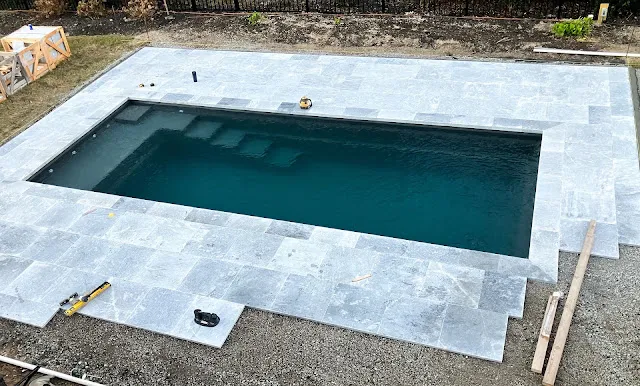

Installing a swimming pool is a significant backyard improvement that requires planning, coordination, and attention to site conditions. Homeowners can expect several stages, from initial property evaluation and design decisions to excavation, installation, finishing, and final preparation. pool installation Brunswick County NC can involve considerations related to property layout, drainage, access, landscaping, utilities, fencing, and applicable local requirements. Understanding the general process can help homeowners prepare their property, organize expectations, and communicate effectively with the installation team. A well planned project can create a pool area that complements the home while providing a comfortable setting for recreation and outdoor relaxation.
Beginning With Property Evaluation
The installation process typically begins with evaluating the proposed pool location. The available yard space, property boundaries, existing structures, utility locations, drainage patterns, landscaping, and access routes can all influence the final design. Brunswick County identifies swimming pools as an improvement for which setback certification is not required, although other project requirements may still apply depending on the property and scope of work. Evaluating the site before construction helps identify potential challenges and provides a practical foundation for selecting the pool's size, shape, orientation, surrounding deck, and supporting outdoor features.
Reviewing Access and Site Conditions
Construction equipment and materials need adequate access to the proposed installation area. Fences, narrow side yards, existing landscaping, retaining structures, and neighboring properties may affect how equipment reaches the backyard. The installation team may need to establish a suitable route before excavation begins. Site conditions should also be evaluated for drainage, grading, soil characteristics, and existing underground utilities. Addressing these details early can reduce complications during construction. Homeowners who understand the access requirements beforehand can also prepare their property appropriately and discuss measures for protecting existing features that are intended to remain.
Finalizing the Pool Design
After the property has been evaluated, homeowners can finalize the pool's overall design. Important decisions may include the pool shape, dimensions, depth, entry steps, tanning ledges, benches, lighting, water features, and surrounding deck. The design should reflect how the pool will be used rather than focusing exclusively on appearance. A family may prioritize shallow areas and gathering spaces, while another household may prefer longer swimming lanes or dedicated relaxation features. Coordinating these choices before installation begins can help the construction process proceed more efficiently and create a finished pool that supports the household's preferred outdoor activities.
Choosing Surrounding Features
The pool itself is only one part of the finished outdoor environment. Homeowners may plan patios, landscaping, outdoor kitchens, cabanas, seating areas, fire features, lighting, or pathways around the water. These elements should be considered early because their locations can affect circulation, drainage, equipment access, and available construction space. Integrating surrounding features into the initial plan can create a more cohesive backyard. It also allows homeowners to determine which improvements should be completed during the pool project and which can be added later. Careful coordination helps prevent future features from interfering with the pool's function.
Preparing for Excavation
Excavation is one of the most visible stages of pool installation. Once the layout has been established, the construction team prepares the area and removes soil according to the planned pool dimensions. The excavation process can vary depending on the pool type, site conditions, access, and selected design. Homeowners should expect temporary changes to the appearance and usability of the backyard during this stage. Soil, equipment, and construction materials may occupy portions of the property. Proper preparation helps establish the foundation for subsequent installation work and allows the pool structure to be positioned according to the approved design.
Managing Soil and Drainage
Excavation can reveal site conditions that were not fully apparent from the surface. Soil composition, groundwater, existing drainage patterns, and changes in grade may influence construction requirements. Effective water management is important because excessive moisture can affect surrounding areas and create problems after installation. The finished pool area should be planned so that rainwater moves appropriately through the property. Drainage solutions may involve grading, collection systems, or other site specific measures. Addressing water movement during installation can help protect the pool deck, landscaping, soil, and nearby structures from unnecessary moisture related problems.
Installing the Pool Structure
The next stage depends on the selected pool construction method. Fiberglass pools arrive as manufactured structures, while concrete pools involve construction and finishing processes at the property. Each method requires precise placement and preparation. The installation team must ensure that the pool structure is properly positioned and supported according to the project specifications. Plumbing connections and other systems are coordinated during this stage. Homeowners may notice substantial progress once the pool structure is installed because the basic shape of the finished swimming area becomes visible. Proper installation at this stage establishes an important foundation for the remaining work.
Connecting Plumbing Systems
Pool plumbing supports circulation, filtration, drainage, sanitation, and other water related functions. Pipes must be positioned and connected according to the pool's design and equipment requirements. Skimmers, returns, drains, pumps, filters, heaters, and optional water features may all require appropriate connections. The plumbing layout should be planned carefully so equipment remains accessible for future service. For public swimming pools, Brunswick County requires an open pipe inspection while pool pipes are installed and visible before they are covered. Residential projects can have different requirements, so homeowners should confirm which inspections apply to their specific installation.
Installing Electrical Components
Electrical systems can support pool lighting, pumps, heaters, controls, and other equipment. These components require careful planning because their locations and connections need to work with the overall pool design. Brunswick County states that an electrical permit is required for installation, extension, alteration, or general repair of electrical wiring, devices, appliances, or equipment. Homeowners should therefore discuss electrical requirements with qualified professionals during the planning stage. Coordinating electrical work with plumbing and structural installation can help reduce conflicts and ensure that equipment and lighting are positioned appropriately around the completed pool area.
Planning Equipment Placement
Pool equipment needs a suitable location that provides access for inspection and maintenance without dominating the backyard. Pumps, filters, heaters, controls, and related components may require a dedicated equipment area. The location should also account for electrical and plumbing connections, noise considerations, drainage, and accessibility. Good equipment planning can make routine maintenance more convenient while keeping mechanical components visually discreet. Homeowners should discuss equipment placement before installation begins because relocating major components later may require additional work. A practical equipment area contributes to the long term usability of the entire pool system.
Completing the Pool Deck
Once the main pool installation is underway, attention can shift toward the surrounding deck and hardscape. The deck provides space for walking, lounging, furniture, and access to the pool. Materials may include concrete, pavers, natural stone, tile, or other suitable outdoor surfaces. Homeowners should consider appearance, drainage, maintenance, texture, and compatibility with the home's architecture when selecting materials. The deck should provide comfortable circulation while leaving appropriate access to equipment and other features. A well designed surrounding surface can help connect the swimming pool with patios, gardens, seating areas, and other outdoor living spaces.
Adding Landscaping and Privacy Features
Landscaping can be installed during or after pool construction depending on the project's schedule and design. Plants can soften hard surfaces, provide visual interest, create privacy, and connect the pool with the rest of the backyard. Coastal conditions should be considered when selecting vegetation because humidity, sunlight, wind, rainfall, and salt exposure can affect plant performance. Fencing may also be incorporated as part of the pool area. Brunswick County's Unified Development Ordinance states that certain in ground and above ground swimming pools must have a wire fence or equivalent barrier at least four feet high, subject to the stated requirements and exceptions.
Reviewing Permits and Inspections
Permit and inspection requirements depend on the type and scope of the project. Brunswick County explains that its building permit information does not cover every non building approval that may be required, including zoning related requirements. Homeowners should therefore confirm the applicable requirements for their specific property before construction begins. Brunswick County also encourages applicants to discuss projects with planning staff during the planning phase to understand requirements and avoid potential problems. Handling approvals early can help prevent avoidable delays once excavation and installation work are scheduled.
Understanding Residential and Public Pool Differences
Private residential pools and public swimming pools are treated differently under Brunswick County's requirements. The county defines public swimming pools separately and excludes private pools serving a single family dwelling and its residents and guests from that definition. Public pools have additional plan review, inspection, permitting, and operational requirements. Brunswick County requires approved plans before construction begins for public swimming pools and requires licensed swimming pool contractors for those projects. Homeowners should confirm which category applies to their project so they can follow the appropriate process.
Completing Final Installation Work
Near the end of construction, remaining components such as coping, deck finishes, lighting, landscaping, fencing, equipment connections, and other selected features can be completed. The installation team can then review the pool's systems and surrounding areas for proper operation and finish quality. Homeowners may have an opportunity to discuss operating procedures, cleaning expectations, equipment controls, and routine maintenance. This stage is important because it connects the construction process with everyday ownership. A careful final review can help identify outstanding details and ensure that the completed pool area is ready for regular use.
Preparing for Pool Maintenance
A new pool requires ongoing care to remain clean, attractive, and functional. Homeowners should understand the basics of water testing, filtration, cleaning, equipment inspections, and seasonal maintenance. Landscaping should also be maintained so excessive leaves, branches, or debris do not enter the water. Equipment access should remain clear, and fencing and gates should be inspected periodically. Understanding these responsibilities before the project is complete can help homeowners establish an effective maintenance routine. Proper care can support the appearance and performance of the pool while helping protect the investment in the surrounding outdoor living space.
Enjoying the Completed Pool Area
Once installation, inspections, finishing work, and cleanup are complete, homeowners can begin using the pool as part of their outdoor living environment. The finished area may include swimming space, comfortable seating, landscaping, lighting, entertainment features, and practical access routes. Because these elements were planned together, the backyard can function as a cohesive setting for recreation and relaxation. Understanding the installation process helps homeowners appreciate the work involved in creating the finished space. With appropriate planning and professional coordination, pool installation Brunswick County NC can transform an underused backyard into a personalized outdoor retreat designed around everyday enjoyment.
Conclusion
A successful pool installation depends on thoughtful design, site preparation, appropriate permits, coordinated plumbing and electrical work, proper construction, landscaping, safety features, and final system checks. Homeowners who understand each stage can make informed decisions and prepare for the temporary disruption that construction may bring. Careful planning also helps ensure that the pool complements the property instead of functioning as an isolated feature. When homeowners are ready to transform their outdoor space, Seaside Solutions can provide professional guidance focused on creating a pool environment that combines practical functionality, attractive design, and long term outdoor enjoyment.























Sign in to leave a comment.