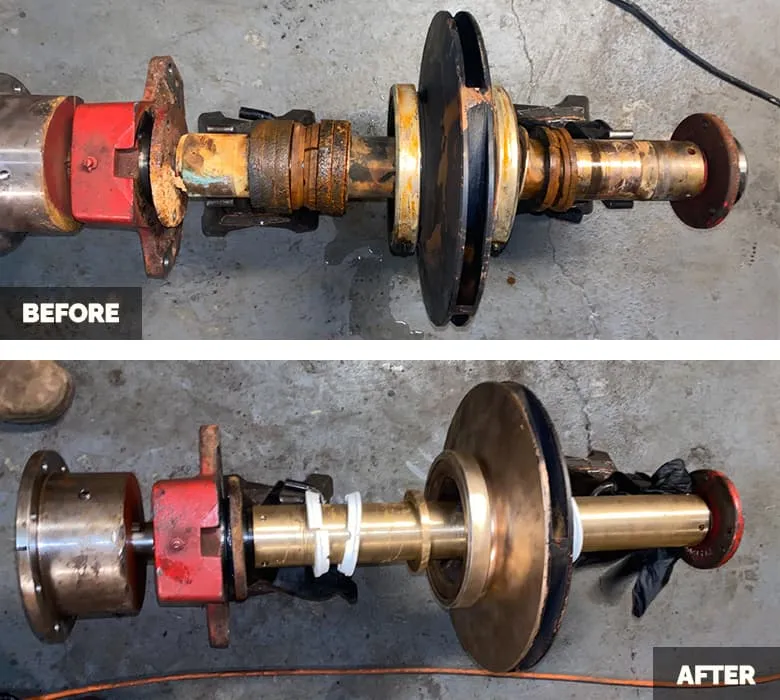

A commercial fire pump is an essential part of a building's fire protection system, providing the water pressure and flow needed during emergency conditions. Because pump reliability can directly affect the performance of connected suppression equipment, repairs should be handled carefully whenever problems develop. Facility managers may notice unusual sounds, leakage, vibration, pressure changes, or failed test results before professional assistance is requested. Understanding fire pump service repair helps building owners and maintenance teams know what to expect throughout the process. A professional repair generally involves inspection, diagnosis, component evaluation, corrective work, testing, documentation, and recommendations for future maintenance.
Initial Fire Pump Inspection
Reviewing Equipment History
Professional repair normally begins with a review of the fire pump's history and available documentation. Service records, previous inspection reports, performance tests, repair information, equipment specifications, and maintenance schedules can provide valuable background before technicians begin troubleshooting. Historical information may reveal recurring problems or gradual changes in pump performance that are not immediately visible. Facility managers can help by providing accurate records and describing any recent concerns. A clear understanding of the equipment's operating history allows technicians to approach the repair more efficiently and reduces the possibility of overlooking conditions that have previously affected reliability.
Visual Examination
A detailed visual examination is an important early step in professional fire pump repair. Technicians may inspect the pump casing, shaft, seals, couplings, bearings, valves, gauges, piping, driver, controller, and surrounding equipment. Signs such as corrosion, leakage, damaged components, loose connections, unusual wear, or contamination can provide useful clues about the cause of a problem. The pump room itself may also be evaluated for environmental conditions that could affect operation. This initial assessment helps establish the overall condition of the equipment and identifies areas that require closer examination before corrective work begins.
Diagnosing the Problem
Identifying Symptoms
The symptoms reported by facility personnel can help technicians narrow down potential causes. Unusual vibration may suggest alignment, bearing, coupling, or mechanical concerns, while abnormal pressure readings could indicate hydraulic restrictions or pump deterioration. Leakage may result from worn seals, damaged gaskets, loose connections, or other conditions. Starting difficulties can involve controllers, electrical components, drivers, batteries, or pressure sensing equipment. Professional technicians consider these symptoms alongside inspection findings and testing results. Rather than replacing components based solely on visible symptoms, they investigate the underlying cause to determine which repair approach is most appropriate.
Performing Diagnostic Testing
Diagnostic testing allows technicians to gather objective information about the condition of the fire pump and associated equipment. Depending on the problem, testing may involve operating the pump, checking pressure readings, evaluating electrical characteristics, examining driver performance, or measuring other relevant conditions. The purpose is to distinguish between symptoms and actual causes. Testing should be performed using appropriate procedures and equipment to protect personnel and the fire protection system. Results provide valuable information for deciding whether the problem can be corrected through adjustment or component repair, or whether more extensive work may be necessary.
Evaluating Major Components
Pump Assembly
The pump assembly contains several components that can influence performance and reliability. Depending on the equipment design, technicians may evaluate the casing, impeller, shaft, bearings, seals, wear surfaces, coupling, and related components. Internal deterioration may not always be visible from outside the equipment, making careful examination important when performance problems persist. Wear can develop gradually because of operating conditions, corrosion, improper alignment, contamination, or age. Technicians assess whether individual components remain serviceable or require replacement. This evaluation helps prevent unnecessary repairs while ensuring that critical deterioration is not overlooked.
Driver and Controller
The pump driver and controller must also be examined because problems in these components can prevent a mechanically sound pump from operating correctly. Electric motor installations may require evaluation of electrical connections, motor condition, starting components, and controller functions. Diesel driven systems can require attention to batteries, fuel, cooling, lubrication, starting systems, and engine operation. Controllers may also develop electrical or sensing problems that affect automatic starting. A professional repair assessment considers these components as part of the complete pump assembly. Correctly identifying the source of the failure helps avoid replacing the wrong component.
Understanding the Repair Recommendation
Minor Repairs
Not every fire pump problem requires extensive repair or replacement. Some issues can be corrected through relatively straightforward maintenance, adjustment, cleaning, lubrication, tightening, or replacement of individual components. Examples may include worn seals, damaged gaskets, loose connections, minor alignment issues, or other serviceable conditions. The appropriate repair depends on the equipment's design and actual condition. Professionals should explain the identified problem and recommended corrective action so facility managers understand why the work is necessary. Clear communication helps decision makers distinguish routine maintenance from repairs that address significant reliability concerns.
Major Repairs
More serious conditions can require extensive disassembly, component replacement, or refurbishment. Major repairs may become necessary when internal pump components are significantly worn, bearings have deteriorated, shafts require attention, impellers are damaged, or other critical parts have lost acceptable condition. The repair process can involve additional labor and longer equipment downtime. Before beginning substantial work, facility managers should understand the expected scope, required components, anticipated schedule, and testing requirements. A professional evaluation can also determine whether extensive refurbishment remains practical compared with replacing the equipment, particularly when several major components are deteriorated simultaneously.
Fire Pump Parts and Replacement
Selecting Appropriate Components
Using appropriate replacement components is essential when repairing fire pump equipment. Parts need to match the specific pump design, model, driver, controller, and operating requirements. Depending on the repair, components can include seals, bearings, gaskets, couplings, shafts, impellers, valves, gauges, electrical components, or other specialized items. Technicians should verify compatibility before installation. Facility managers should also understand that selecting components solely because they appear physically similar may create reliability concerns. Proper identification and sourcing help preserve equipment performance and reduce the likelihood of recurring problems after the repair has been completed.
Checking Component Condition
Professional repair may reveal that additional components have deteriorated beyond the original reported problem. For example, replacing a seal may not provide a lasting solution if the related shaft or bearing is significantly worn. Similarly, correcting a coupling problem may not resolve vibration if alignment or other mechanical conditions remain abnormal. Technicians therefore evaluate connected components while performing repairs. Identifying related deterioration at the same time can prevent repeated service visits and reduce future downtime. Facility managers benefit from understanding the complete condition of the equipment rather than focusing only on the first component that appears to have failed.
Repairing the Fire Pump System
Mechanical Repairs
Mechanical repairs can involve removing damaged components, restoring proper alignment, replacing worn parts, correcting connections, or addressing other conditions affecting pump operation. The exact procedure depends on the equipment design and the nature of the problem. Technicians must work carefully because improper assembly can create additional vibration, leakage, or performance issues. Components should be installed according to appropriate technical requirements and equipment specifications. Once mechanical work is completed, the assembly should be checked carefully before returning the pump to normal operation. Proper repair practices help preserve reliability and reduce the likelihood of recurring mechanical problems.
Electrical and Control Repairs
Electrical and control related repairs require careful attention because fire pump starting and monitoring functions depend on reliable control equipment. Technicians may evaluate wiring, terminals, sensors, batteries, controllers, motor connections, or other electrical components depending on the installation. Any identified faults should be corrected using components and procedures appropriate for the equipment. Control problems should not be confused with mechanical pump failures because a starting issue may originate entirely within the control system. Thorough troubleshooting helps ensure that the complete fire pump assembly can start, operate, and respond appropriately after repairs have been completed.
Testing After Repairs
Operational Testing
Testing after repair is an important step in confirming that corrective work has addressed the original problem. Technicians can operate the pump under appropriate conditions while observing pressure, flow, starting behavior, vibration, noise, temperature, and other relevant characteristics. The exact testing process depends on the type of repair and equipment configuration. Results should be compared with expected operating characteristics and previous records when available. Successful operation provides useful evidence that the repair was effective. If abnormal conditions remain, additional troubleshooting may be required before the equipment is considered ready for normal service.
Performance Verification
Performance verification goes beyond confirming that the pump starts. A repaired fire pump should be evaluated to determine whether it can provide the expected hydraulic performance under appropriate test conditions. Flow and pressure measurements can reveal whether the equipment is operating within its expected range. Historical results can also help identify whether performance has returned to a previous stable level. If testing reveals continuing deficiencies, technicians should investigate the cause before concluding the repair. Proper verification gives facility managers greater confidence that the equipment is not merely operational but capable of performing its intended fire protection function.
Documentation After Repair
Recording Completed Work
Detailed service documentation provides an important record of what was discovered and corrected. A professional repair report may identify the original complaint, inspection findings, diagnostic results, components replaced, work performed, testing results, and recommendations. Facility managers should retain these records with other fire protection documentation. Future technicians can use the information when troubleshooting new concerns or planning maintenance. Accurate records also help management understand equipment history and recurring repair patterns. Maintaining this information creates a useful reference that can support future budgeting, maintenance planning, and decisions about equipment refurbishment or replacement.
Recommendations for Future Maintenance
A repair visit can also provide an opportunity to identify maintenance activities that may help prevent future problems. Technicians may recommend additional inspections, lubrication, component monitoring, testing, or other actions based on the condition of the equipment. These recommendations should be reviewed alongside existing maintenance schedules and applicable requirements. Facility managers can use the information to prioritize work and address developing concerns before they become emergencies. Preventive planning is particularly valuable for older equipment because deterioration can accelerate as components approach the later stages of their service life.
When Repair May Not Be Enough
Repeated Equipment Failures
Repeated failures can indicate that a fire pump is becoming increasingly difficult to maintain. While individual repairs may restore operation temporarily, recurring problems involving multiple components can suggest broader deterioration. Facility managers should consider the frequency of service calls, repair costs, performance trends, equipment age, and parts availability when evaluating continued operation. A professional assessment can determine whether another repair is reasonable or whether refurbishment or replacement offers better long term value. Ignoring repeated failures can increase the possibility of an unexpected problem occurring when the fire protection system is needed.
Extensive Deterioration
Extensive deterioration can make complete replacement more practical than continued repair. Corrosion, damaged internal components, repeated performance deficiencies, obsolete parts, and multiple simultaneous failures can all influence this decision. The choice should not be based solely on age because well maintained equipment can sometimes remain serviceable for many years. Instead, professionals should evaluate the complete condition and expected future reliability. Comparing refurbishment costs with replacement costs can help facility managers make a financially and operationally informed decision. Advance planning also reduces the pressure associated with emergency replacement after a major equipment failure.
Managing Fire Pump Downtime
Planning the Repair
Fire pump repairs can temporarily affect the availability of part of a building's fire protection system, so planning is essential. Facility managers should understand the expected duration of the repair and any necessary impairment procedures before work begins. The repair schedule should account for equipment availability, replacement components, technician access, testing, and final restoration. Appropriate temporary measures may be necessary depending on the circumstances and applicable requirements. Careful planning helps minimize disruption while ensuring that the building's fire protection responsibilities remain properly managed during the repair period.
Returning Equipment to Service
After repairs and testing are completed, the fire pump should be returned to its required normal operating condition. Valves, controls, power supplies, drivers, sensing lines, and related components should be checked as appropriate to confirm proper configuration. Test equipment should be removed and temporary arrangements should be addressed. Documentation should indicate that the repair has been completed and identify any remaining recommendations. Returning the system to service is more than simply shutting down tools and leaving the pump running. A careful restoration process helps ensure that the equipment is prepared for future operation.
Benefits of Professional Fire Pump Repair
Improving Reliability
Professional repair can help restore equipment reliability by identifying underlying problems rather than addressing symptoms alone. Technicians with appropriate experience can evaluate mechanical, hydraulic, electrical, and control conditions and determine how different components interact. Corrective work performed according to suitable procedures can reduce the likelihood of recurring problems. Reliability also improves when repaired equipment is properly tested and documented afterward. Facility managers gain greater confidence when they know what caused the problem, what was repaired, and how the equipment performed after service. This information supports better maintenance decisions over the equipment's remaining service life.
Supporting Long Term Planning
Professional repair can provide useful information for future equipment planning. A technician may identify components that are approaching the end of their useful life, parts that are becoming difficult to source, or performance trends that indicate future concerns. Facility managers can use these observations to establish maintenance priorities and replacement budgets. This approach helps transform an unexpected repair into an opportunity for better long term planning. Instead of waiting for another failure, management teams can prepare for likely service needs and evaluate replacement options when appropriate. Proactive planning can reduce operational uncertainty and improve resource management.
Choosing the Right Repair Approach
Evaluating the Complete System
The best repair decisions consider the complete fire pump system rather than focusing on one isolated component. Pump performance can be affected by suction conditions, piping, valves, drivers, controllers, water supplies, and connected fire protection equipment. A technician who evaluates these relationships can better determine the underlying cause of a problem. This comprehensive approach helps prevent unnecessary component replacement and reduces the possibility of repairing one issue while another remains unresolved. Facility managers should therefore view professional repair as a complete diagnostic process designed to restore dependable operation across the equipment assembly.
Balancing Cost and Reliability
Repair decisions should balance immediate expenses with long term reliability. A low cost repair may appear attractive, but repeated service requirements can make continued operation more expensive over time. Conversely, replacing equipment unnecessarily can create avoidable capital expenses. Facility managers should consider repair history, equipment condition, parts availability, expected future maintenance, performance, and operational importance. A professional assessment provides the technical information needed to compare these factors. The objective should be to achieve dependable fire protection performance while using financial resources responsibly and avoiding decisions based solely on the lowest immediate cost.
Key Takeaways for Facility Managers
Professional fire pump repair typically involves several stages, beginning with equipment history and visual inspection and continuing through diagnosis, component evaluation, corrective work, testing, documentation, and future recommendations. Facility managers should expect technicians to investigate the underlying cause of a problem rather than simply replace the first component associated with a symptom. Appropriate replacement parts, qualified workmanship, careful testing, and accurate documentation all contribute to successful repairs. When equipment shows repeated failures or extensive deterioration, refurbishment or replacement may become more practical. A proactive maintenance approach helps facilities manage fire pump reliability and reduce unexpected operational challenges.
Conclusion
Professional fire pump repair is an important part of maintaining dependable commercial fire protection equipment. A thorough process can identify developing problems, restore damaged components, verify performance, and provide useful recommendations for future maintenance. Facility managers benefit from keeping accurate records, responding promptly to warning signs, and working with qualified professionals who can evaluate the entire pump assembly. Regular inspection and testing can also help identify problems before they become serious failures. For facilities seeking dependable equipment support, maintenance, parts, and repair assistance, Steven Brown & Associates, Inc. can help address fire pump service needs with a focus on reliability and long term system performance.
























Sign in to leave a comment.