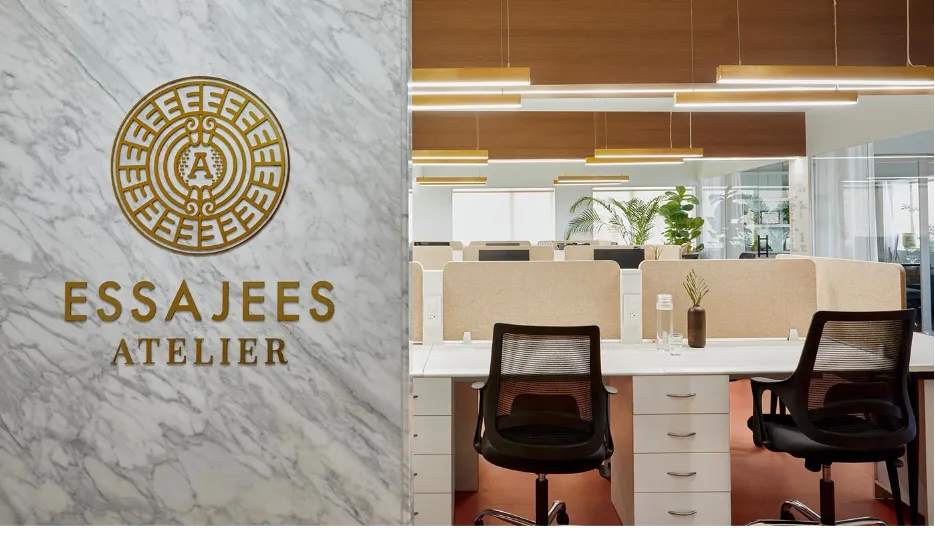

Choosing a luxury interior design company is about much more than selecting someone who can make a home look beautiful.
When the project involves a complete residence, premium apartment, villa, hospitality space, or commercial property, interior design becomes a much larger process. It can involve spatial planning, materials, lighting, furniture, technical drawings, sourcing, vendors, site execution, styling, and final handover.
This is why understanding what to expect from a luxury interior design company can make the entire experience more comfortable and organised.
A professional design studio should not simply present attractive moodboards. It should understand how you live, translate your requirements into a cohesive design, coordinate multiple stages of the project, and ensure that the finished space reflects the original design intent.
So, what does that process actually look like?
What Does a Luxury Interior Design Company Do?
A luxury interior design company typically works across several stages of a project rather than focusing only on decoration.
Depending on the scope, the service may include:
- Client consultation and design briefing
- Space planning
- Concept development
- Moodboards and design direction
- Material and finish selection
- Lighting design
- Custom furniture and joinery
- Architectural coordination
- Technical drawings
- Vendor and artisan coordination
- Procurement and sourcing
- Site supervision
- Installation
- Styling
- Final handover
The exact scope varies between studios and projects, so homeowners should always clarify what is included before beginning.
For example, some studios focus primarily on design, while others provide an end-to-end model covering design and execution. Essajees Atelier describes itself as an end-to-end luxury interior design company, with its process extending from the initial briefing through design, execution, and handover.
1. The Process Should Begin With Understanding You
A luxury project should not begin with a catalogue of furniture or a predetermined style.
It should begin with questions.
How does your family use the home?
Do you entertain often?
What kind of atmosphere do you want?
Which spaces matter most to you?
Do you have artwork, antiques, or furniture that needs to be incorporated?
What are your practical requirements?
What do you want the home to feel like five or ten years from now?
These conversations help a designer understand the difference between what a client likes visually and what actually suits their lifestyle.
At Essajees Atelier, the first stage is described as an extensive briefing questionnaire designed to understand the client's needs and expectations before the design process begins.
That initial understanding becomes the foundation for everything that follows.
2. You Should Receive a Clear Design Direction
Once the requirements are understood, the designer begins translating them into a visual and spatial direction.
This can include:
- Moodboards
- Material references
- Colour palettes
- Furniture concepts
- Spatial layouts
- Lighting direction
- Architectural details
- Design references
- 3D visualisations or models
The purpose is not simply to show what the home might look like.
It is to establish a design language.
For example, a contemporary Mumbai apartment might combine warm timber, natural stone, muted fabrics, and brushed metal. A Kolkata residence might take a different direction, using heritage references, artwork, and handcrafted details within a contemporary framework.
The design should respond to the property and its occupants rather than forcing every project into the same aesthetic.
3. Space Planning Comes Before Decoration
One of the biggest differences between professional interior design and surface-level decoration is the attention given to space planning.
Before deciding on cushions or decorative accessories, the designer needs to understand:
- How people move through the space
- Where furniture should be positioned
- How much circulation space is required
- Where storage should go
- How natural light enters
- How rooms connect
- Where electrical and plumbing requirements sit
- How the space will function throughout the day
Good planning can make a home feel larger, calmer, and easier to use without physically increasing its size.
This becomes especially important in apartments, where structural elements and fixed services can limit what can be changed.
4. Material Selection Becomes a Design Decision
In a luxury project, materials are not simply finishing touches.
They influence the character of the entire interior.
A designer may work with:
- Natural stone
- Marble
- Wood
- Veneers
- Metal
- Glass
- Textiles
- Wallpaper
- Decorative surfaces
- Handcrafted finishes
But choosing a premium material does not automatically create a luxury interior.
The designer needs to consider how different materials interact with one another.
A highly veined marble may require quieter cabinetry. Warm wood can soften stone-heavy interiors. Textured fabrics can balance polished surfaces. Brushed metal can introduce detail without making the space feel overly decorative.
The objective is to create a material palette that feels intentional.
5. Bespoke Furniture Can Be Part of the Experience
Standard furniture can work beautifully in some spaces, but luxury projects often benefit from custom pieces.
Bespoke furniture allows designers to control:
- Dimensions
- Proportions
- Materials
- Upholstery
- Finishes
- Storage
- Hardware
- Detailing
This is particularly useful when a room has unusual dimensions or when the client wants a specific design element that cannot be found off the shelf.
Custom furniture can also create continuity across the home.
A dining table, bedroom unit, console, bar, or media wall can be developed around the same material language used throughout the interior.
The result is a home where the furniture feels designed for the architecture rather than simply placed inside it.
6. Lighting Should Be Planned Alongside the Interior
Lighting has a significant effect on how a luxury interior is experienced.
A good lighting plan can combine several layers:
Ambient lighting
Provides overall illumination.
Task lighting
Supports activities such as reading, cooking, working, or grooming.
Accent lighting
Highlights artwork, architectural features, shelves, or materials.
Decorative lighting
Adds visual character through pendants, chandeliers, sconces, or sculptural fixtures.
The benefit of layered lighting is flexibility.
The same living room can feel bright and energetic during the day and warm and intimate in the evening.
Lighting can also change how materials are perceived.
Stone veining, wood grain, textured walls, artwork, and metal finishes can all respond differently to light.
7. Expect Detailed Technical Planning
A luxury interior is not created through moodboards alone.
Once the design direction is approved, it needs to be translated into practical details.
Depending on the project, this may involve:
- Furniture drawings
- Joinery drawings
- Electrical layouts
- Lighting plans
- Ceiling plans
- Flooring layouts
- Plumbing coordination
- Material specifications
- Elevations
- Detailed dimensions
- Installation requirements
This stage is where creative ideas become buildable.
A beautiful concept can fail during execution if the technical details have not been properly considered.
8. Project Execution Is a Major Part of the Process
One of the most important questions to ask a luxury interior design company is:
Who is responsible for execution?
Designing a space and building it are two different stages.
Execution may involve coordinating:
- Contractors
- Carpenters
- Electricians
- Plumbers
- Painters
- Stone fabricators
- Metalworkers
- Upholsterers
- Furniture makers
- Lighting vendors
- Artisans
- Installation teams
When multiple teams are working on the same project, coordination becomes essential.
This is one reason some clients prefer an end-to-end design company that manages the project through execution instead of handing over drawings and leaving the homeowner to coordinate everything independently.
Essajees Atelier states that its end-to-end execution stage includes bringing the design to life from structural work through decor, followed by a completed handover.
9. You Should Have Clear Communication Throughout the Project
Luxury design is highly collaborative.
Even when the designer leads the creative direction, the client should remain involved in important decisions.
Communication may cover:
- Design approvals
- Material choices
- Furniture selections
- Budget decisions
- Design changes
- Site progress
- Procurement
- Installation
- Timelines
A good communication process reduces confusion and helps clients understand what is happening at every stage.
Before hiring a company, it is worth asking how often updates are provided, who the main point of contact will be, and how design changes are handled.
10. Budget Should Be Discussed Early
Luxury does not mean that every project has an unlimited budget.
A well-planned project should establish financial expectations early.
The budget discussion can include:
- Design fees
- Civil work
- Furniture
- Materials
- Lighting
- Appliances
- Fixtures
- Art and accessories
- Labour
- Project management
- Installation
- Contingency
The exact pricing structure differs between companies, so homeowners should request a clear scope and understand what is included and excluded.
A lower initial quotation is not necessarily comparable with a higher one if the two proposals cover different scopes.
Clarity matters more than simply looking at the headline figure.
11. Sourcing and Vendor Coordination Matter
Luxury interiors often involve materials and products from multiple sources.
A design company may need to coordinate with manufacturers, artisans, furniture makers, stone suppliers, lighting specialists, and other vendors.
This is where experience can become important.
The designer needs to understand not only how something should look, but also how it can actually be produced, sourced, delivered, and installed.
For bespoke work, this becomes even more important because the designer may need to coordinate custom dimensions, samples, finishes, fabrication, and installation.
12. Craftsmanship Should Be Visible in the Details
Luxury is often experienced through small details.
A cabinet door that aligns perfectly.
A carefully finished stone edge.
A well-proportioned piece of furniture.
A consistent metal finish.
A neatly integrated lighting detail.
A beautifully executed joinery connection.
These elements may not immediately attract attention, but together they affect how polished the space feels.
That is why craftsmanship should be considered alongside design.
The concept may establish the vision, but execution determines how successfully that vision reaches the finished space.
13. The Designer Should Help Balance Trends With Timelessness
Interior trends can be useful sources of inspiration, but following every trend can quickly make a luxury home feel dated.
A professional designer can help determine which elements are worth incorporating and which are likely to have a shorter lifespan.
For example, a trending colour might be introduced through artwork or accessories rather than permanent cabinetry.
Timeless materials can form the foundation while more experimental elements remain replaceable.
This creates a home that can evolve without requiring a complete redesign every few years.
14. Personalisation Should Be Part of the Final Design
The strongest luxury interiors usually tell something about the people who live in them.
Personalisation can come through:
- Art collections
- Family heirlooms
- Travel objects
- Custom furniture
- Favourite colours
- Books
- Textiles
- Antiques
- Architectural references
- Bespoke details
This is particularly important because two homes with similar budgets can still feel completely different.
Luxury should not mean reproducing a showroom.
It should mean creating a space that feels distinctly connected to its owner.
Essajees Atelier describes its projects as individually conceived, with each space having its own interpretation of luxury rather than following one identical formula.
15. Expect the Designer to Think Beyond Individual Rooms
A complete luxury interior should feel connected.
The living room can have its own character, and the bedroom can feel more private and calm, but there should still be relationships between them.
These connections can come through:
- Repeated materials
- Similar wood tones
- Consistent hardware
- Related colour palettes
- Complementary lighting
- Recurring architectural details
The objective is not to make every room identical.
It is to make the entire home feel like one considered composition.
16. Handover Should Be More Than Simply Receiving the Keys
The final stage is where the design comes together.
Furniture is installed.
Lighting is tested.
Decor is placed.
Art is positioned.
Final details are checked.
The space is cleaned and prepared for occupation.
At Essajees Atelier, handover is the fourth stage of its stated process, following briefing, design, and execution, with the space delivered ready for the client to move in.
For a homeowner, this final stage should provide an opportunity to identify any remaining issues before the project is considered complete.
What Should You Ask a Luxury Interior Design Company Before Hiring Them?
Before committing to a design studio, ask practical questions such as:
What is included in your scope of work?
Understand whether the company provides design only, design and execution, or a broader turnkey service.
Who will manage the project?
Know who your primary contact will be.
How does your design process work?
Ask about briefing, concept development, approvals, technical drawings, sourcing, and execution.
Do you provide custom furniture or joinery?
This can be important if you want a fully integrated interior.
How are materials selected?
Ask whether you will see physical samples and how practical considerations are evaluated.
How are changes handled after design approval?
Clear communication around revisions can prevent confusion later.
How is the budget presented?
Understand what is included, what is excluded, and how additional costs are handled.
Who coordinates vendors and site execution?
This is particularly important for end-to-end projects.
What happens at handover?
Ask how final inspections, installations, styling, and outstanding issues are handled.
How Essajees Atelier Approaches End-to-End Luxury Interior Design
Essajees Atelier describes itself as a global luxury interior design company offering end-to-end services and taking projects from planning through handover. The studio says it takes on a select number of clients and develops projects from scratch.
Its stated four-stage process is:
01 — Briefing: Understanding the client's needs and expectations.
02 — Design: Translating the brief into a detailed design direction, from moodboards to models.
03 — Execution: Bringing the design to life from structural work through decor.
04 — Handover: Delivering the completed space ready for occupation.
This approach illustrates why choosing a luxury interior design company is about more than choosing a particular aesthetic.
The design studio becomes involved in the journey of translating an idea into a functioning, finished environment.
What Makes a Luxury Interior Design Company Different?
The difference is not simply the price of the materials or the size of the project.
A more meaningful distinction lies in the level of thought and coordination involved.
A strong luxury interior design process brings together:
- Creative direction
- Spatial planning
- Material expertise
- Custom detailing
- Technical knowledge
- Craftsmanship
- Vendor coordination
- Project execution
- Client communication
- Final styling
When these elements work together, the interior can feel cohesive rather than assembled piece by piece.
Final Thoughts
Hiring a luxury interior design company in India is a significant decision, particularly when the project involves an entire home or a large-scale property.
The right process should give you more than beautiful images.
It should give you clarity about the design, confidence in the materials, control over important decisions, coordinated execution, and a finished space that works for your lifestyle.
Before choosing a studio, look beyond photographs on a portfolio page. Understand its process, project scope, execution capabilities, communication style, approach to materials, and ability to personalise the design.
Ultimately, luxury interior design is not just about how a space looks.
It is about how thoughtfully the space is imagined, designed, built, and experienced.
























Sign in to leave a comment.