

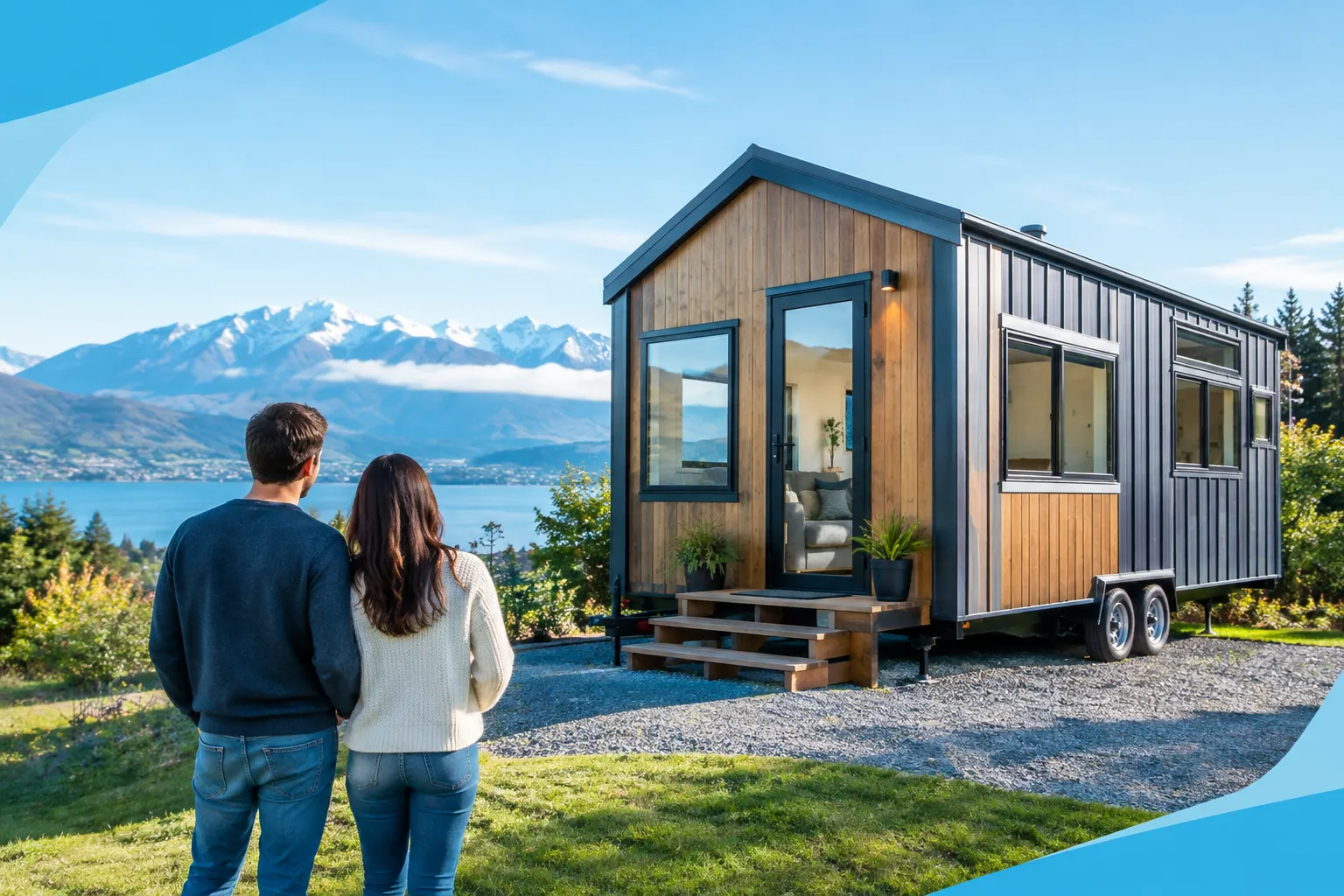
Auckland's property market has pushed a lot of homeowners to think differently about space. Instead of chasing a bigger mortgage, more Kiwis are adding a compact, ready-built home to the section they already own, for a parent, an adult child, a rental income, or simply a smarter way to live.
That's driven real demand for transportable homes in Auckland NZ, and it's easy to see why. A transportable home can cost a fraction of a full renovation, land on your site in a matter of weeks rather than a year of construction, and give you a self-contained space without touching your existing house. But buying one isn't quite as simple as picking a floor plan and placing an order. Auckland has its own rules, its own sections, and its own logistics to think through first.
Why Auckland Buyers Are Turning to Transportable Homes
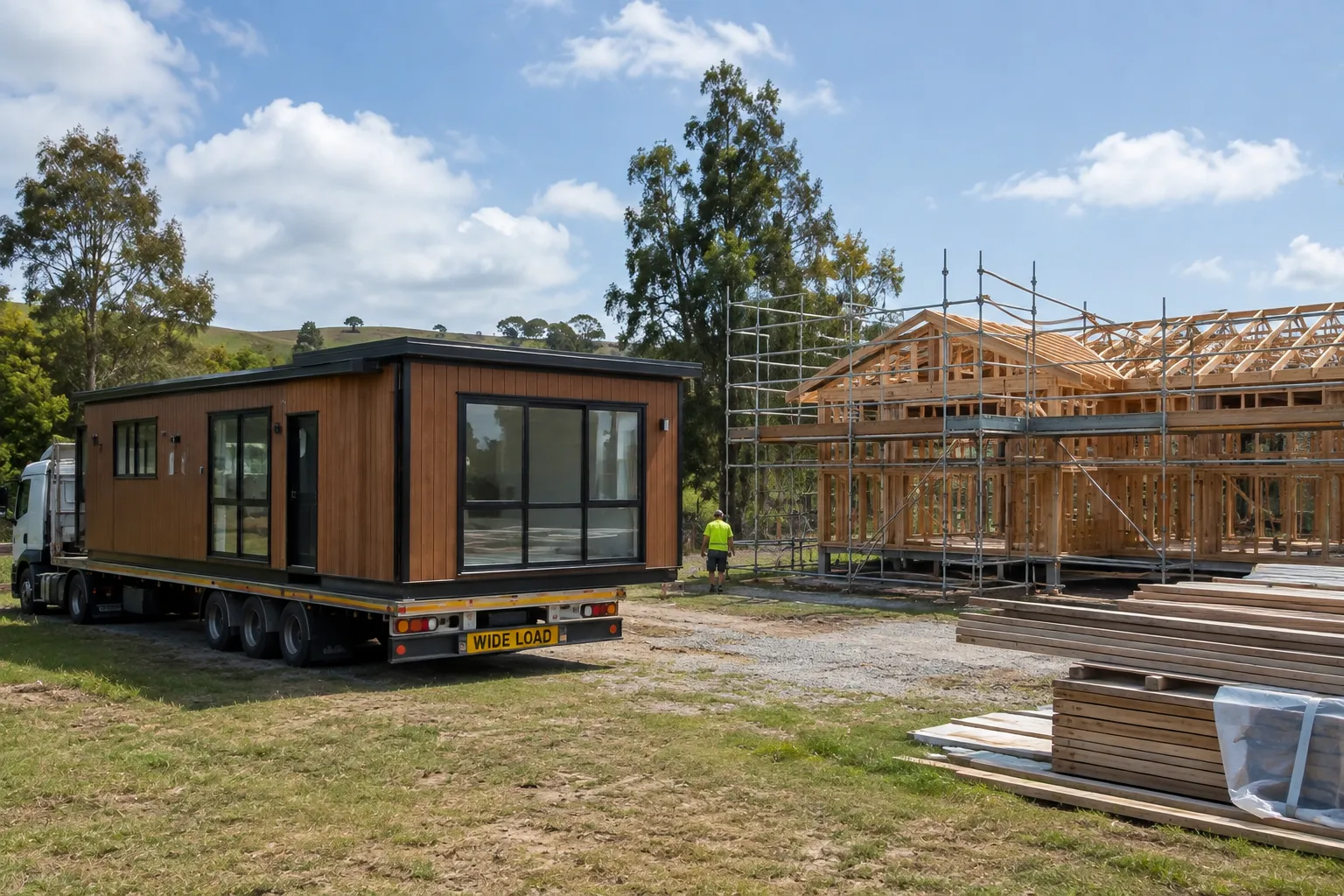
Land in Auckland is expensive, and building a standalone second dwelling from scratch usually means months of design work, consenting, and trades. A transportable or relocatable home skips most of that. It's built off-site in a factory, to New Zealand building code, then delivered and positioned on your property.
For Auckland homeowners specifically, that appeals for a few reasons:
- Granny flats and multi-generational living. Housing a parent or adult child on the same section, without losing your privacy.
- Rental income. A self-contained unit at the back of a section can bring in steady rent in a high-demand city.
- Home offices and studios. Separating work from home life without extending the main house.
- Faster turnaround. Off-site builds aren't at the mercy of Auckland's weather or trade shortages in the same way an on-site build is.
Understand Auckland Council Rules Before You Commit
This is the step buyers most often underestimate. Auckland Council has specific requirements for relocatable and transportable buildings, and they're not identical to the rules in other regions.
Building Consent vs a Simpler Path
Most transportable homes placed permanently on a property still need building consent, even though the unit itself is manufactured off-site. Since 2024, changes to consenting rules have made it easier to add a small, self-contained dwelling (often called a granny flat) without full consent in some cases, but the exemption has conditions around size, distance from boundaries, and whether the unit has its own kitchen and bathroom. It pays to check your specific situation against the current rules rather than assume you qualify.
Site Coverage, Setbacks, and Zoning
Auckland's Unitary Plan sets rules on how much of a section can be built on, how close a structure can sit to a boundary, and what's allowed in different residential zones. A section zoned Single House may have different limits to one zoned Mixed Housing Suburban. Before you fall in love with a floor plan, it's worth getting a site assessment done so you know what will actually fit, and what will get signed off.
Choosing the Right Size for Your Section
Auckland sections vary hugely, from wide suburban quarter-acre blocks to narrow inner-city lots with tight side access. The size of the home you can realistically place often comes down to two things: how much land you have, and how the crane or transporter can actually get it there.
Narrow driveways, overhead power lines, and tight corners are common in older Auckland suburbs, and they can rule out larger units or add extra cost for a more complex delivery. This is exactly why a site visit before ordering matters more than browsing a catalogue at home. A studio or one-bedroom cabin might be the practical choice on a compact urban section, while a wider lifestyle block out west or in the rural south can comfortably take a larger two or three-bedroom home.
Budget for the Full Cost, Not Just the Sticker Price
The advertised price of a transportable home is the starting point, not the finish line. Buyers who budget only for that number are often caught out later. Costs that typically sit outside the base price include:
- Site preparation, piles, foundations, or a level pad
- Transport and crane placement, which can vary depending on access
- Connections to power, water, and wastewater
- Council fees, including any consent or inspection costs
- Decking, steps, skirting, and driveway work
Ask any builder for a full, itemised breakdown before you sign. A transparent quote upfront saves a lot of stress once the truck is booked.
What to Look for in a Builder
Not all transportable homes are built to the same standard, and Auckland's coastal, humid climate is harder on materials than many buyers expect. Look for a builder who works with licensed building practitioners, builds to New Zealand code, and can show you completed homes rather than just renders.
Experience with transportable homes in Auckland NZ specifically also matters, since local delivery logistics and council familiarity aren't the same everywhere in the country. A builder who has handled Auckland's tight streets, steep driveways, and consenting process before will spot problems long before delivery day, not on it. Ask about warranty terms, after-sales support, and who you call if something needs attention two years down the track.
Common Mistakes Auckland Buyers Make
A few issues come up again and again with first-time buyers:
- Ordering before checking council requirements. This is the single biggest cause of delays and unexpected redesigns.
- Underestimating access constraints. A home that looks fine on paper can be impossible to deliver down a narrow driveway.
- Forgetting ongoing costs. Connections, decking, and site work are easy to overlook until the final invoice arrives.
- Not asking about warranty. Some buyers only think about after-sales support once something has already gone wrong.
“Did you know? Under current rules, a self-contained unit up to 60m² can sometimes be added to an Auckland property without full building consent, but it still needs to meet building code, and only one such unit is typically allowed per site. Confirming your eligibility early avoids a costly redesign later.”
Expert insight: Having worked with Auckland homeowners on sections ranging from tight inner-city lots to open lifestyle blocks, the pattern is consistent, the buyers who get a site assessment and a council check done before choosing a floor plan are the ones who move in on schedule. The ones who skip that step are usually the ones calling three weeks before delivery with a problem that could have been solved months earlier.
Ready to Get Started?
If you're weighing up transportable homes in Auckland NZ, the smartest first move isn't picking a design, it's getting your site checked. Unit2go has spent more than a decade building durable, council-consented tiny homes and cabins to New Zealand code, with a team that delivers and sets up across the North Island.
Talk to Unit2go about a site assessment, browse the current range, or ask about finance options that let you pay off your new home over time, get in touch today and find out what will actually fit on your section.
FAQs
1. Do I need building consent for a transportable home in Auckland?
In most cases, yes. Some small, self-contained units may qualify for a simpler consenting pathway under recent rule changes, but eligibility depends on size, boundary distance, and site conditions, so it's worth confirming with Auckland Council or your builder first.
2. How much does a transportable home cost in Auckland, including extras?
Base prices vary by size and layout, but buyers should also budget for site preparation, transport and crane placement, utility connections, and council fees. Asking for an itemised quote upfront gives a far more accurate total.
3. Can a transportable home fit on a narrow Auckland section?
Often, yes, but access is the deciding factor. Narrow driveways, tight corners, and overhead lines can limit the size of the unit or add to delivery costs, which is why a site assessment before ordering is so important.
4. How long does it take to get a transportable home set up in Auckland?
Because the home is built off-site, timelines are generally faster than a traditional build, often a matter of weeks once consent is sorted, rather than months. Exact timing depends on council processing and site readiness.
5. What should I check before choosing a transportable home builder?
Look for licensed building practitioners, construction to New Zealand code, a clear written warranty, and completed homes you can see for yourself. A builder familiar with Auckland's consenting process and access challenges will save you time and surprises.





















Sign in to leave a comment.