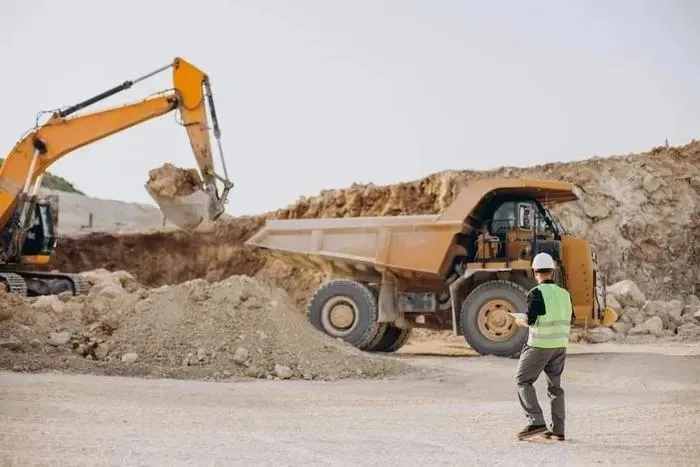

Construction projects often require dependable machinery to complete demanding tasks efficiently and maintain productive schedules. Purchasing every machine needed for occasional or specialized work may not always be practical, particularly for contractors managing changing workloads or carefully controlled budgets. Construction equipment rentals can provide access to capable machinery without requiring permanent ownership. However, choosing rental equipment requires careful consideration of project requirements, machine condition, rental terms, transportation, operating costs, and support availability. Contractors who evaluate these factors before signing a rental agreement can improve equipment utilization, control expenses, and reduce avoidable disruptions throughout their construction projects.
Understand the Project Requirements
Before selecting rental machinery, contractors should understand exactly what the equipment needs to accomplish. Project requirements can vary according to excavation depth, material type, terrain, working space, lifting demands, and expected operating hours. A machine suitable for one application may be inefficient or unsuitable for another. Contractors should identify the primary tasks, expected workload, project duration, and environmental conditions before approaching a rental provider. Clear planning allows equipment professionals to recommend machinery with appropriate capacity and capabilities. It also reduces the risk of paying for equipment that cannot effectively handle the demands of the intended construction work.
Identify the Required Machine
The equipment category should match the work being performed. Excavation projects may require digging machinery, while grading, loading, material handling, or site preparation may require different equipment. Contractors should consider whether attachments will be necessary because specialized tools can significantly expand machine capabilities. Machine dimensions also matter when working in restricted areas, while operating weight can affect transportation and ground conditions. Identifying these requirements before renting helps contractors communicate their needs clearly. A thoughtful equipment selection process can improve productivity and prevent delays caused by using machinery that lacks the necessary capacity or flexibility.
Consider Rental Duration
Rental duration can significantly influence the overall cost and practicality of equipment access. Contractors should estimate how long the machine will realistically be required rather than choosing a rental period without considering the project schedule. Short projects may require equipment for only a few days, while larger assignments can extend over several weeks or months. Businesses should also consider possible schedule changes because unexpected delays can increase equipment requirements. Understanding the expected rental period allows contractors to compare available arrangements more effectively and avoid unnecessary expenses caused by returning equipment too early or keeping machinery longer than necessary.
Plan for Schedule Changes
Construction schedules can change because of weather, material availability, labor constraints, inspections, or unexpected site conditions. Contractors should consider these possibilities when arranging equipment rentals. Flexible rental terms can be valuable when project timelines are uncertain, particularly for large or complex assignments. Businesses should understand whether rental periods can be extended and what costs may apply if additional time becomes necessary. Planning for possible schedule changes helps contractors avoid rushed decisions and equipment shortages. A realistic rental strategy provides greater flexibility and allows machinery to remain available when changing project conditions affect the original construction timeline.
Evaluate Equipment Condition
Equipment condition should be carefully evaluated before machinery enters a jobsite. Contractors should inspect visible components and consider information about operating hours, maintenance history, service records, and previous usage when available. Important areas may include tires or tracks, hydraulic components, controls, attachments, fluid levels, and general machine condition. Equipment should be capable of performing the intended work without creating unnecessary reliability concerns. Contractors should communicate any existing damage or unusual conditions before accepting the machine. A thorough inspection can establish a clear understanding of equipment condition and help prevent disagreements regarding damage after the rental period.
Check Machine Functionality
A basic operational check can reveal important information about rental equipment. Contractors should confirm that controls respond properly, attachments function correctly, safety features operate as expected, and the machine performs its primary functions without unusual noises or visible problems. Any concerns should be discussed with the rental provider before the equipment is transported to the jobsite. Identifying problems early can prevent delays and provide an opportunity to arrange a replacement or repair. Functional equipment is essential for maintaining productive operations, particularly when machinery will perform critical tasks that affect multiple stages of a construction project.
Review Rental Costs Carefully
Rental pricing should be evaluated alongside all associated expenses rather than considered as a single daily or weekly rate. Contractors may need to account for transportation, fuel, insurance, attachments, cleaning, operator requirements, and potential additional charges. Businesses should request clear information about the complete rental arrangement before committing to equipment. Understanding these costs makes budgeting easier and reduces the likelihood of unexpected expenses. Contractors should compare rental options based on overall value rather than simply selecting the lowest advertised price. Equipment that offers better capabilities, condition, support, or flexibility may provide greater value despite a higher initial rental rate.
Compare Total Rental Value
The cheapest rental option may not always provide the best financial outcome. A machine with limited capacity could require additional operating time, while equipment that lacks suitable attachments might require another rental. Contractors should consider productivity, fuel consumption, transportation requirements, reliability, and expected project duration when comparing options. Total rental value reflects how effectively the machine supports the work rather than only what it costs to obtain. Businesses that evaluate the complete financial picture can make more informed choices and reduce the possibility of selecting equipment that appears inexpensive but creates additional costs during the project.
Consider Transportation Requirements
Construction machinery often requires specialized transportation because of its size and operating weight. Contractors should determine how equipment will reach the jobsite and whether transportation is included in the rental arrangement. Site access should also be evaluated before delivery because narrow roads, bridges, gates, overhead obstacles, or restricted entrances may create challenges. Businesses should communicate site conditions clearly to the rental provider. Proper transportation planning helps prevent delivery delays and ensures that the selected machine can safely reach and leave the project location. These considerations are particularly important for larger equipment that requires specialized hauling arrangements.
Evaluate Jobsite Access
The physical characteristics of a jobsite can affect which rental machines are practical. Contractors should consider available space, ground conditions, slopes, access routes, overhead clearance, and nearby structures. Equipment that performs well in an open area may be difficult to maneuver within a restricted site. Compact machinery may be more suitable for confined projects, while larger equipment may provide greater capacity where space allows. Evaluating access before rental arrangements are finalized can prevent costly transportation complications. Careful site assessment also helps contractors select equipment that can move safely and efficiently throughout the working area.
Check Attachment Compatibility
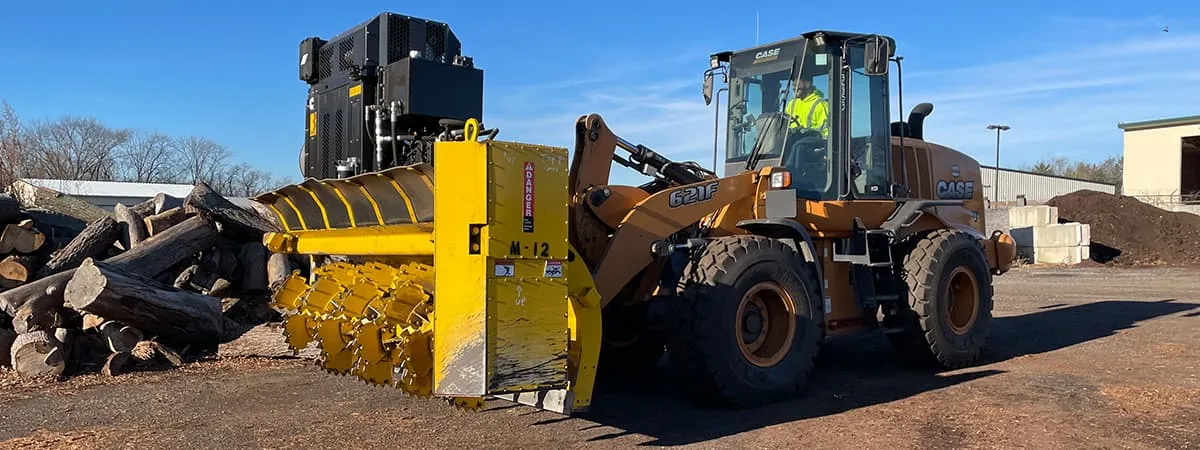
Attachments can increase the versatility of rental equipment, but they must be compatible with the selected machine. Contractors should determine whether buckets, forks, breakers, augers, blades, compactors, grapples, or other tools are required for the project. Hydraulic capacity, attachment weight, connection systems, and operating limitations should all be considered. Using an incompatible attachment can reduce productivity and potentially create equipment problems. Contractors should discuss attachment requirements with the rental provider before delivery. Selecting the correct combination of machine and attachment can allow crews to complete multiple tasks efficiently while reducing the need for separate equipment.
Match Attachments to Tasks
Different attachments are designed for specific applications, so contractors should select tools according to the work being performed. A standard bucket may handle general excavation, while specialized attachments can support material handling, demolition, drilling, grading, or other tasks. Businesses should identify all planned applications before choosing attachments. This approach can improve equipment utilization and prevent unnecessary rental expenses. Contractors should also consider how attachments affect machine capacity, balance, hydraulic performance, and operating requirements. Proper matching helps ensure that the rental setup provides the functionality needed to complete project tasks efficiently and consistently.
Review Maintenance Responsibilities
Rental agreements should clearly explain who is responsible for routine maintenance, inspections, repairs, fueling, cleaning, and reporting equipment problems. Contractors need to understand these responsibilities before equipment arrives at the jobsite. Regular inspections can help identify developing concerns and protect equipment from unnecessary damage. Operators should follow recommended procedures and promptly communicate mechanical problems to the rental provider. Clear maintenance responsibilities reduce confusion and can help ensure that equipment remains in suitable working condition. Businesses should retain relevant rental documentation so crews understand the required procedures throughout the entire rental period.
Respond Quickly to Problems
Even well maintained rental machinery can experience unexpected mechanical issues during demanding work. Contractors should know whom to contact when a problem occurs and understand the provider's procedures for service or replacement. Prompt reporting can help prevent minor concerns from becoming more serious equipment problems. Businesses should avoid continuing to operate machinery when unusual noises, warning indicators, leaks, or significant performance changes appear. Quick communication can reduce downtime and help the provider determine an appropriate response. Establishing a clear support process before rental equipment arrives can make unexpected situations easier to manage.
Consider Operator Requirements
The people operating rental equipment should understand the machine's controls, capabilities, limitations, and appropriate operating procedures. Contractors should ensure that operators are familiar with the equipment category and receive suitable instruction when necessary. Different machines may have different control layouts, attachment systems, operating characteristics, and safety considerations. Proper operator preparation can improve productivity while reducing avoidable misuse. Businesses should also consider visibility, maneuverability, access, and operator comfort when selecting equipment. A machine that fits the project but is difficult for operators to use efficiently may not provide the expected productivity or overall rental value.
Support Safe Operation
Safe equipment operation should remain a priority throughout the rental period. Operators should perform appropriate inspections, follow established procedures, respect machine capacity limits, and remain aware of surrounding workers and site conditions. Contractors should also ensure that attachments are installed correctly and used within their intended capabilities. Proper operation can help reduce unnecessary wear and protect workers and equipment. Businesses should communicate expectations clearly to every operator using rental machinery. Consistent procedures can contribute to safer jobsites while helping contractors maintain equipment in suitable condition until it is returned.
Examine Provider Support
The quality of rental support can affect the overall experience as much as the equipment itself. Contractors should evaluate whether the provider offers responsive communication, maintenance assistance, replacement equipment, technical guidance, and dependable scheduling. Support becomes especially important when a machine experiences unexpected problems during a critical project stage. Businesses should ask about service procedures and emergency assistance before agreeing to rental terms. A provider that understands construction requirements can help customers select appropriate equipment and respond effectively when circumstances change. Reliable support can reduce disruption and help contractors maintain productivity throughout the rental period.
Consider Equipment Availability
Equipment availability should be evaluated according to project schedules and expected demand. Contractors should reserve machinery early when specific equipment categories are likely to be in high demand. Last minute rental arrangements may limit available choices and force businesses to accept machines that are less suitable for their applications. Early planning provides more time to compare equipment, attachments, rental periods, and transportation options. Contractors should also confirm delivery and pickup arrangements before the project begins. Organized scheduling can reduce uncertainty and help ensure that necessary machinery is available when crews are ready to begin planned work.
Conclusion
Choosing rental machinery requires careful consideration of project requirements, rental duration, equipment condition, total costs, transportation, jobsite access, attachments, maintenance responsibilities, operator needs, and provider support. Contractors that evaluate these factors before accepting equipment can improve productivity and reduce avoidable complications. Rental solutions can provide valuable flexibility when businesses need machinery temporarily or want to manage equipment investments carefully. A thoughtful selection process helps ensure that rented equipment contributes meaningful value to each project. Businesses seeking dependable equipment solutions can consider Eagle Power & Equipment, Inc. when evaluating machinery, rental support, service resources, and equipment needs for construction operations.























Sign in to leave a comment.