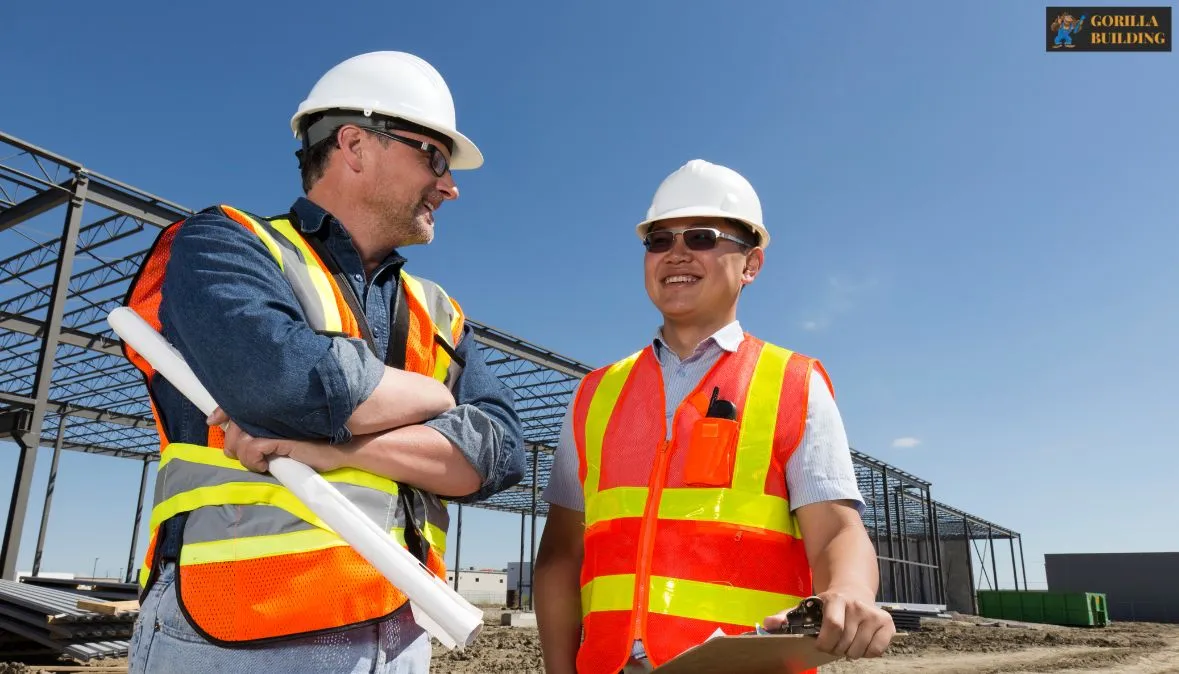

A construction project is a major investment, whether you are building a new home, expanding a business, or renovating an existing property. The finished structure may be what everyone notices, but the quality of the planning and work behind it often determines how well the property performs over time.
Choosing the right construction team can make a noticeable difference throughout the project. Good contractors do more than bring tools and materials to a job site. They help organize schedules, coordinate different trades, manage project details, address unexpected challenges, and keep the work moving toward completion.
For property owners, understanding what to look for before hiring a contractor can make the entire process more straightforward.
Start With the Scope of Your Project
Before contacting a contractor, take some time to define what you want to accomplish. A new construction project may involve everything from site preparation and foundations to roofing, electrical work, flooring, and finishing touches. A renovation may have a narrower scope but can still involve several specialized trades.
Think about the purpose of the property and the features that matter most. Homeowners might prioritize comfortable living areas, storage, energy efficiency, and durable finishes. Businesses may focus more heavily on workflow, accessibility, customer areas, equipment requirements, and future expansion.
Having a basic idea of your goals gives contractors useful information when preparing estimates and discussing possible solutions.
Look Beyond the Initial Price
Cost is naturally an important part of any construction decision, but the lowest estimate does not always tell the whole story. Two proposals can have very different prices because they may include different materials, levels of service, project details, or allowances for specific work.
Ask what is included in an estimate before comparing numbers. Find out whether site preparation, cleanup, permits, materials, labor, and other necessary work are covered.
A clear estimate can make it easier to understand where your money is going. It can also reduce confusion later if questions arise about work that was not included in the original scope.
Experience Matters, but So Does Communication
Experience can help contractors recognize potential problems before they become expensive setbacks. Professionals who have worked on different types of projects may also have a better understanding of scheduling, materials, building requirements, and trade coordination.
However, experience is most useful when it is paired with good communication.
Your contractor should be willing to explain the project in understandable terms. You should know what stage the work is in, what comes next, and whether a change could affect the schedule or budget.
A contractor who communicates clearly can make it easier for property owners to make informed decisions throughout construction.
Understand How Different Trades Are Coordinated
Most construction projects involve more than one type of worker. Electricians, plumbers, roofers, HVAC technicians, concrete crews, flooring specialists, and other trades may all have a role depending on the project.
The timing of these services matters. One trade may need to complete its work before another can begin. If the schedule is poorly coordinated, delays can affect several parts of the project at once.
This is one reason experienced residential construction contractors can be valuable for homeowners undertaking larger projects. Instead of trying to manage every individual trade independently, homeowners can work with a team that understands how the different stages fit together.
The same principle applies to larger commercial developments, where coordination may become even more important because of the size and complexity of the project.
Consider the Contractor's Approach to Quality
Quality should be considered throughout construction rather than only at the final inspection. Materials need to be appropriate for their intended use, installations need to be completed correctly, and completed work should be checked before the next stage begins.
Ask potential contractors how they approach quality control. It is reasonable to discuss materials, workmanship, inspections, project supervision, and how issues are handled if something does not meet expectations.
A strong quality process can help identify problems while they are still easier to correct.
Commercial Projects Require Additional Planning
Business owners often have different concerns from residential property owners. Construction may need to accommodate employees, customers, equipment, inventory, deliveries, parking, security, accessibility, and normal business operations.
For this reason, selecting experienced commercial contractors can be especially important when a project involves multiple systems or specialized requirements.
Commercial construction also requires careful attention to scheduling. If a business is operating during renovation, construction activities may need to be organized around working hours to minimize disruption. For a new facility, the schedule may need to coordinate several major stages before the building can be occupied.
Discussing these practical requirements at the beginning allows the construction team to develop a more realistic approach.
Ask About Permits and Project Requirements
Construction requirements can vary depending on the type of work and location. Certain projects may require permits, inspections, engineering information, or compliance with specific building standards.
Property owners should ask their contractor which requirements apply to the project and who will be responsible for coordinating them.
Handling these details early can help avoid unnecessary delays. It also gives the property owner a clearer understanding of the steps that need to be completed before and during construction.
Think About Future Maintenance
A building should be designed and constructed with more than the completion date in mind. Materials and systems can influence maintenance requirements for years after the project is finished.
For example, durable exterior materials may help withstand local weather conditions, while accessible mechanical and electrical components can make future servicing easier. Proper drainage and roofing details can also help protect the structure from moisture-related problems.
During the planning stage, ask how different construction choices may affect long-term maintenance. Spending more time on these decisions early can help prevent avoidable problems later.
Why Local Knowledge Can Be Useful
Local construction knowledge can provide practical advantages. Contractors familiar with the area may have experience working with local suppliers, site conditions, permitting processes, and common construction challenges.
This does not mean every project will follow the same process. Each property is different, and site-specific conditions should always be evaluated before work begins.
Still, having a team that understands the local environment can help with planning and coordination.
Choose a Team That Fits Your Project
There is no single construction approach that works for every property. The right team depends on the project's size, purpose, budget, timeline, and technical requirements.
Gorilla Building works with property owners on residential and commercial construction projects, coordinating construction needs with a focus on practical solutions, quality workmanship, and dependable project management.
Before making a decision, speak with potential contractors about your goals and ask detailed questions about their process. Review the scope of work carefully, understand the estimate, and make sure expectations are clear on both sides.
Build With Confidence Through Better Planning
A successful construction project is built on more than materials and labor. It requires planning, communication, coordination, quality control, and attention to the details that may not be visible once the building is complete.
Whether you are creating a new home, renovating an existing property, or developing a space for your business, taking time to select the right construction partner can make the experience more manageable.
Start with a clear understanding of your goals, ask the right questions, and choose professionals who can explain how they will bring your plans to life. With the right preparation, your construction project can move from an idea on paper to a functional space designed around the way you intend to use it.
Frequently Asked Questions
1. What should I ask a contractor before starting a project?
Ask about experience, project scope, estimated costs, scheduling, permits, materials, subcontractors, supervision, and how changes or unexpected issues will be handled.
2. How early should I contact a construction contractor?
It is generally helpful to involve a contractor during the planning stage, especially for larger projects. Early input can help identify construction considerations and provide a more realistic understanding of costs and scheduling.
3. Why is project coordination important?
Construction often involves multiple trades that depend on one another. Proper coordination helps organize their work in the correct sequence and can reduce unnecessary delays or conflicts.
4. How can I keep construction costs under control?
Start with a detailed scope of work, establish priorities, request a clear estimate, and discuss potential additional costs before construction begins. Avoid making unnecessary changes once work is underway.
5. Should I plan for future expansion?
If future growth is possible, discuss it during the initial planning stage. Designing certain spaces and systems with flexibility in mind can make future additions or modifications easier.
6. What makes a construction project successful?
Clear goals, realistic budgeting, effective communication, proper scheduling, quality workmanship, and professional coordination all contribute to a smoother construction process.























Sign in to leave a comment.