What to Look for When Choosing Health Transportation Services for a Loved One


Arranging transportation for a loved one with mobility limitations, a chronic health condition, or other special needs can involve more than simply finding a ride. Safety, comfort, reliability, and respectful support all matter when travel involves medical appointments, school transportation, or routine care. Families comparing health transportation services in Broome County may also need to consider whether vehicles and staff are prepared for different mobility and health-related needs. What factors can help families feel more confident when choosing a transportation service?
Consider the Passenger’s Individual Needs
Every passenger may require a different level of assistance. Some may need wheelchair-accessible transportation, while others may need support entering and exiting a vehicle. A suitable provider should be able to explain what types of passengers it serves and whether its vehicles can accommodate specific mobility requirements.
It is also helpful to consider the purpose and frequency of transportation. A child traveling to a special education program may have different needs from an older adult attending hospital appointments. Matching the service to the passenger’s routine can make travel more comfortable.
Look Closely at Safety Standards
Safety should remain one of the first considerations. When reviewing health transportation services in Broome County, families can look for licensed and insured vehicles, trained staff, and equipment designed to support safer travel. Clean, spacious vehicles may also make trips easier for passengers who use mobility devices.
Technology can contribute to safer transportation as well. Some specialized transportation fleets use GPS tracking and cameras to support vehicle monitoring and passenger safety. These features can add another level of oversight during transportation.
Pay Attention to Staff Training and Compassion
Transportation for people with disabilities, chronic health conditions, or mobility challenges requires more than driving skills. Staff members should understand how to assist passengers respectfully while helping them maintain dignity and comfort throughout the trip.
Compassion is especially important when a passenger feels anxious, has limited mobility, or needs extra time when entering or leaving the vehicle. A calm and patient approach can make routine transportation feel more manageable.
Check Vehicle Accessibility and Comfort
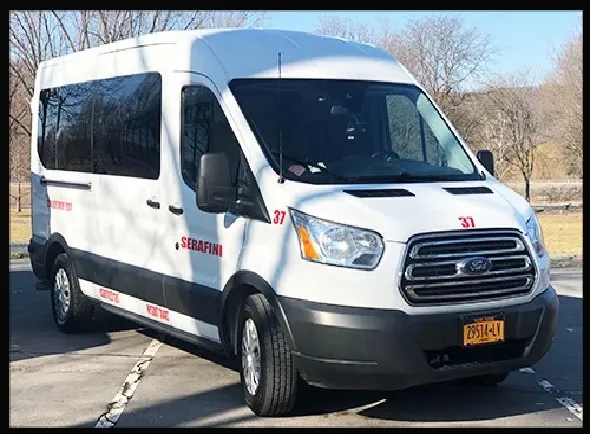
Vehicle design plays an important role in specialized transportation. The fleet should be appropriate for the people being transported and should offer enough space for comfortable travel. For passengers with mobility challenges, paratransit vehicles or other suitable transportation options may be especially important.
Families may also want to ask how vehicles are maintained and what safety features are used. A well-equipped vehicle, combined with responsible operating practices, can help support a dependable transportation experience.
Ask About Scheduling and Reliability
Medical appointments, school schedules, and adult day programs often depend on timely transportation. A provider should have scheduling procedures and reasonable flexibility when different transportation times are required.
Reliability also includes communication. Families should know how rides are arranged, what happens if plans change, and how transportation concerns are addressed. Clear information can reduce uncertainty and make ongoing transportation easier to coordinate.
Consider the Range of Transportation Services
A transportation provider that supports several types of specialized travel may be useful when needs change over time. Services may include transportation for medical appointments, special needs education, adult day care, and other non-emergency trips.
Reviewing the available services can help families determine whether a provider can support current and future transportation requirements. This can be helpful when a loved one attends several appointments or programs.
Conclusion
Choosing transportation for a loved one deserves careful attention to safety, accessibility, staff training, comfort, and dependability. When considering health transportation services in Broome County, families can benefit from reviewing vehicle standards, passenger support, scheduling practices, and experience with special needs transportation. The right questions can make it easier to identify a service that supports safe, respectful, and comfortable travel.
Choose transportation that prioritizes safety, dignity, and dependable support for loved ones who need specialized care during every scheduled journey.








Sign in to leave a comment.