What to See on a Gir Park Safari Tour

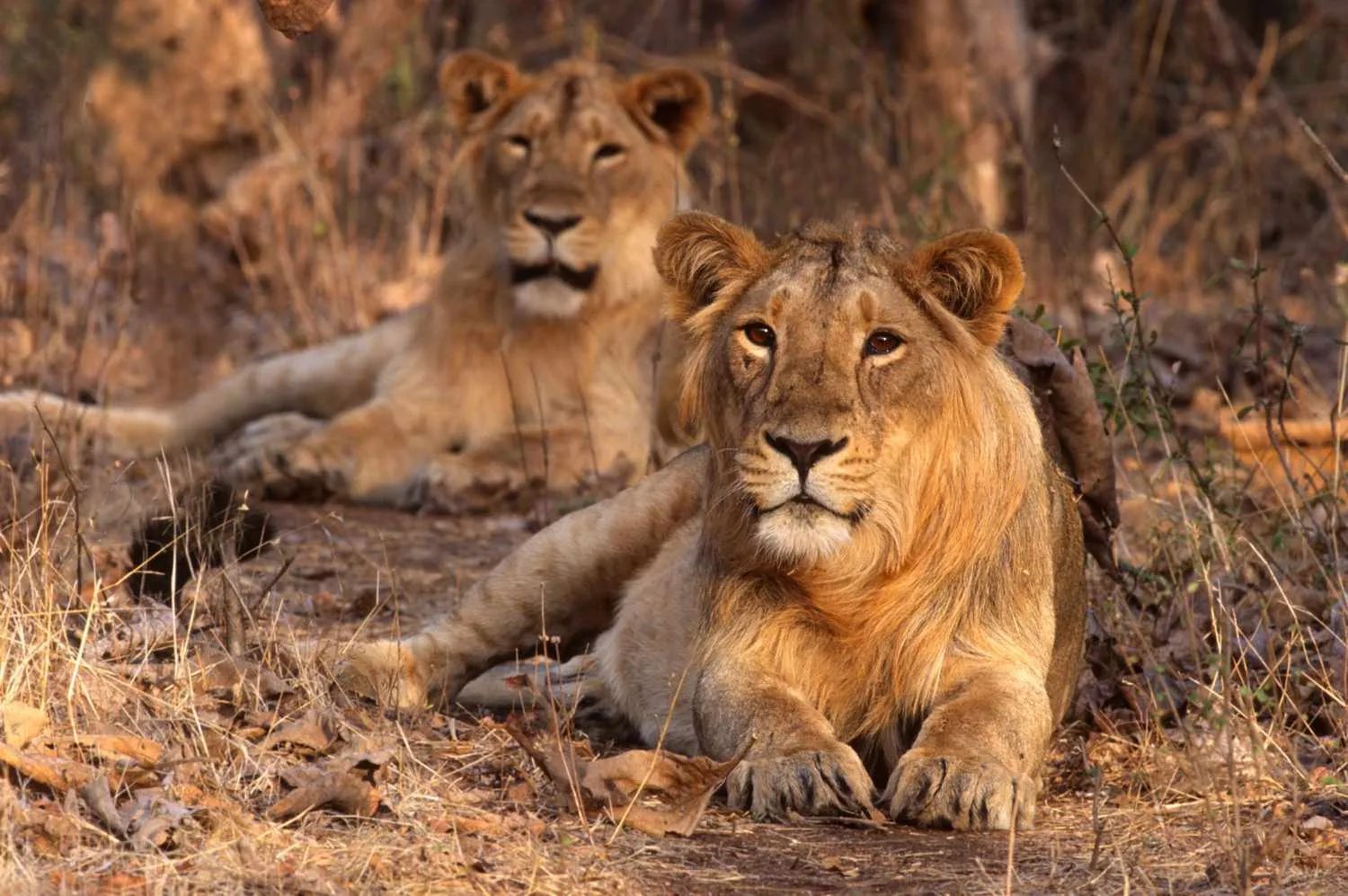
Gir National Park in Gujarat holds a singular distinction in global wildlife conservation: it is the last remaining natural sanctuary of the Asiatic lion (Panthera leo persica). Spanning over 1,412 square kilometers of rugged deciduous scrubland, teak forests, rocky ravines, and perennial watercourses, Gir presents an extraordinary safari experience. Navigating through the park’s designated safari routes reveals an ecosystem teeming with diverse fauna, raptors, and indigenous flora.
The Majestic Asiatic Lion
The primary attraction of any excursion into Gir is undoubtedly the Asiatic lion. Distinct from their African counterparts, Asiatic lions have a characteristic longitudinal fold of skin running along their bellies, sparser manes in males that leave their ears exposed, and generally slightly smaller builds.
During an open-top gypsy safari, sightings frequently occur along shaded riverine corridors and clearings near acacia thickets. The pride structure of Asiatic lions is unique: adult males associate with females primarily during mating or around large kills, leading largely independent lives in bachelor coalitions or solitary territories. Observing a pride resting near waterholes during early morning hours provides insight into their social dynamics, territorial markings, and natural behavior within an undisturbed habitat.
Apex Predators and Elusive Carnivores
While lions dominate the landscape, Gir harbors one of the highest concentrations of Indian leopards in western India. The dense scrub and rocky outcroppings of the park provide ideal camouflage for these solitary felids. Leopards are most frequently spotted perched along the sturdy limbs of old teak trees or navigating the peripheries of nullahs during twilight hours.
Other carnivores frequently encountered along the trails include:
- Striped Hyenas: Predominantly nocturnal scavengers that occasionally patrol open clearings at dusk.
- Golden Jackals: Opportunistic foragers often seen darting across game tracks.
- Jungle Cats and Rusty-Spotted Cats: Smaller, elusive predators that thrive in the dense understory and grasslands.
- Indian Honey Badgers (Ratel): Tenacious nocturnal mammals that leave distinctive tracks along dry riverbeds.
Diverse Herbivores and Prey Base
The survival of Gir's top predators relies on a flourishing population of ungulates. Driving along the safari tracks exposes visitors to large herds of spotted deer, locally known as chital. Their alarm calls—a sharp, repetitive bark—often alert seasoned naturalists to the presence of a lurking big cat.
Equally prominent are sambar deer, the largest deer species in India, which favor the rocky slopes and denser forest patches. Four-horned antelopes (chausingha), the only four-horned mammals in the world, reside in the undulating terrain. In more open savannah-like tracts, travelers can spot the blue bull (nilgai), the largest Asian antelope, grazing alongside chinkara (Indian gazelle). Troops of northern plains gray langurs populate the canopies, serving as vital spotters that warn ground-dwelling animals of approaching predators.
Avian Wonders and Wetland Habitats
Gir is an exceptional birding destination, with over 300 recorded bird species inhabiting its varied ecosystems. The presence of perennial water bodies, particularly the Kamleshwar Dam reservoir, attracts both resident waterbirds and seasonal migrants.
Birders on safari regularly observe:
- Raptors: Crested serpent eagles, changeable hawk-eagles, Bonelli’s eagles, and white-eyed buzzards scanning the canopy from dry snags.
- Woodland Species: Indian pitta, Asian paradise flycatcher, black-hooded oriole, and pygmy woodpeckers darting through the foliage.
- Nocturnal Birds: Brown fish owls and mottled wood owls roosting in shaded branches along riverbanks.
- Vultures: Critically endangered Indian vultures and white-rumped vultures soaring along thermal updrafts or nesting on secluded cliff faces.
Reptilian Fauna along the Waterways
The Kamleshwar Dam, often referred to as the lifeline of Gir, sustains an extensive population of marsh crocodiles (muggers). Safari routes bordering the water bodies offer views of large crocodiles basking on sunny mudbanks to thermoregulate their body temperatures.
In addition to muggers, the forest floor and leaf litter support monitor lizards, Indian star tortoises, and various snake species, including the Indian rock python and saw-scaled viper. These reptiles play a balanced role in maintaining the biological equilibrium of the park.
Practical Safari Planning and Regional Itineraries
To optimize wildlife sightings, visitors should book morning safaris (starting around 6:00 AM) or late afternoon drives (commencing around 3:00 PM), when animal activity peaks. The park operates across distinct zones with regulated permit systems to avoid vehicle congestion and protect wildlife corridors.
Exploring Gujarat's rich wildlife heritage is often paired with visits to the state's urban and cultural centers. Travelers concluding their wildlife journey through Gujarat frequently transition to central business and leisure hubs. When seeking refined accommodations, choosing a 5 Star hotel in Gandhinagar provides a tranquil retreat with modern amenities to unwind after an active field itinerary. Furthermore, discovering culinary variety across top restaurants in Gandhinagar allows visitors to savor authentic Gujarati thalis alongside global cuisines, rounding out an authentic exploration of the state.









Sign in to leave a comment.