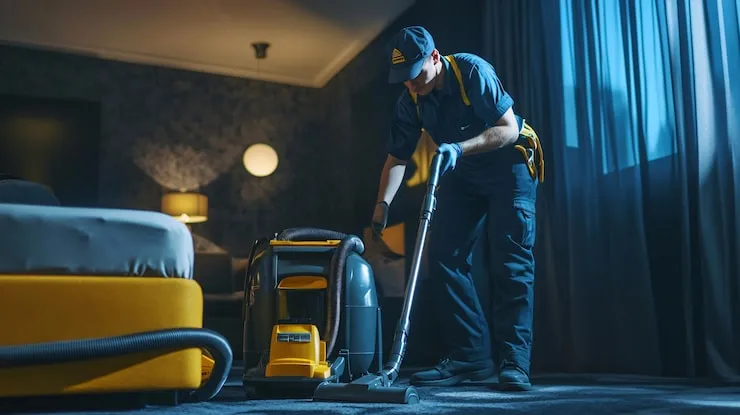


A facility typically needs deep cleaning when visible buildup appears in corners or vents, routine cleaning no longer resolves lingering odors, or specific events like construction completion, seasonal transitions, or upcoming client visits create a clear need for a more intensive reset. Rather than relying purely on a fixed calendar schedule, recognizing these practical triggers helps facility managers time deep cleaning for maximum impact. This article breaks down the most common signals that indicate it is time to schedule this more intensive service.
What Visible Signs Indicate a Facility Needs Deep Cleaning?
Visible signs include buildup in corners, along baseboards, or inside air vents, staining in carpets or upholstery that routine cleaning has not resolved, and a general sense that the space no longer feels genuinely fresh despite regular service.
When routine cleaning starts to feel less effective, that is usually a signal that hidden buildup has accumulated beyond what daily or weekly service is designed to address. This gradual decline often happens slowly enough that facility managers do not notice it day to day, making periodic deep cleaning important even without an obvious single trigger event.
Why Do Lingering Odors Point Toward a Deep Cleaning Need?
Persistent odors that routine cleaning does not resolve often indicate buildup within carpets, upholstery, or HVAC systems that surface level cleaning cannot reach. Deep cleaning addresses these embedded sources directly, rather than simply masking the odor temporarily.
Does Construction or Renovation Trigger the Need for Deep Cleaning?
Yes, construction or renovation projects generate significant dust and debris that settles into vents, carpets, and hard to reach corners, making deep cleaning essential before a space returns to normal daily use.
Skipping deep cleaning services after a construction project often results in ongoing dust issues that persist for weeks, undermining the value of the renovation itself. Scheduling a thorough deep cleaning immediately following project completion ensures the space is genuinely ready for occupants rather than superficially tidy.
Should Seasonal Changes Trigger a Deep Cleaning Schedule?
Yes, seasonal transitions often warrant deep cleaning to address weather specific buildup, such as salt and moisture near entrances following winter, or increased dust accumulation during particularly dry periods.
Facilities in regions with harsh winters frequently benefit from a deep cleaning immediately after the season ends, removing residue that daily cleaning has only partially managed throughout the colder months. This timing resets the facility's baseline heading into the next season.
How Should Facility Managers Plan Around These Seasonal Triggers?
Building seasonal deep cleaning into an annual calendar, rather than reacting only after buildup becomes visible, helps facilities stay ahead of these predictable, recurring triggers rather than scrambling to address them after they have already become noticeable to employees or visitors.
Does an Upcoming Client Visit Justify Scheduling Deep Cleaning?
Yes, scheduling deep cleaning ahead of a major client visit, investor meeting, or other important event ensures the facility presents its absolute best appearance at a moment when first impressions carry significant weight.
Timing this service about a week ahead of the event provides enough buffer to address any unexpected issues uncovered during the process while still keeping the space looking fresh by the time guests actually arrive.
How Do You Know if Routine Cleaning Alone Is No Longer Sufficient?

Routine Industrial cleaning services alone becomes insufficient when facility managers notice recurring complaints about air quality or cleanliness despite consistent daily or weekly service, signaling that hidden buildup has outpaced what routine tasks are designed to address.
Tracking these complaints over time, rather than dismissing them as isolated incidents, helps facility managers recognize the pattern that indicates deep cleaning has become necessary rather than optional.
Conclusion
The need for deep cleaning is triggered by a combination of visible signs, specific events like construction or major client visits, and predictable seasonal patterns that routine cleaning alone cannot fully address. Facility managers who watch for these triggers, rather than relying purely on a fixed calendar, can time deep cleaning for maximum impact while keeping their facility consistently fresh and well maintained.
Frequently Asked Questions
What visible signs mean a facility needs deep cleaning?
Visible buildup in corners or vents, carpet staining, and a general lack of freshness despite regular cleaning are all common signs deep cleaning is needed.
Does construction always require a deep cleaning afterward?
Yes, construction generates significant dust and debris that routine cleaning cannot fully remove, making deep cleaning essential before normal use resumes.
Should deep cleaning be scheduled before a big client visit?
Yes, scheduling it about a week in advance ensures the facility looks its best while allowing time to address any unexpected issues found during the process.
Do seasonal changes really affect when deep cleaning is needed?
Yes, seasonal factors like winter salt residue or increased dry season dust often create predictable, recurring triggers for scheduling deep cleaning.
How do I know if routine cleaning is no longer enough for my facility?
Recurring complaints about cleanliness or air quality despite consistent routine service usually indicate that hidden buildup requires a deeper level of attention.



























Sign in to leave a comment.