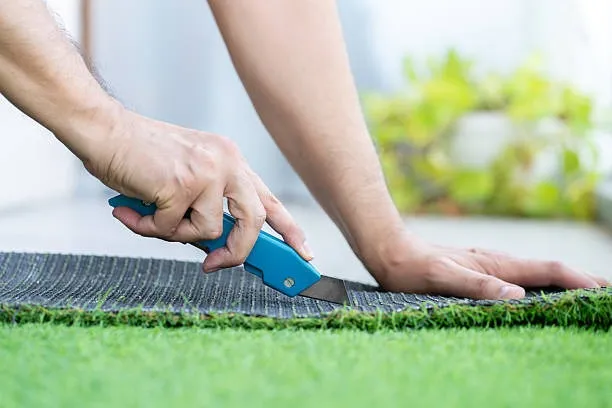

Choosing the correct surface material is essential for optimizing player performance and ensuring the longevity of any athletic facility. Facility planners often investigate the specific manufacturing standards required for modern tennis courts to ensure optimal ball bounce and player safety. Understanding the technical differences between various synthetic turf varieties helps buyers make informed decisions tailored to their specific climate and usage intensity.
Understanding Specialized Synthetic Turf Varieties
Not all synthetic turf options are created equal, as landscaping grass differs drastically from products engineered specifically for athletic competition. High-performance sports surfaces utilize tight, texturized polyethylene or polypropylene loops that provide a firm, stable footing. When athletes practice on these specialized tennis courts, the dense yarn structure prevents the ball from skidding or bouncing unpredictably.
Classification of Turf Systems for Racket Sports
Manufacturers typically categorize athletic turf into filled, partially filled, and non-filled systems depending on the intended sport and player movement patterns. Filled variants use specialized silica sand to anchor the fibers, regulate speed, and provide underfoot cushioning during intense lateral movements. This granular layer is crucial for achieving the desired sliding characteristics that professional players expect during competitive matches.
Polyethylene Versus Polypropylene Materials
The chemical composition of the yarn directly influences wear resistance, texture softness, and UV stability under harsh sunlight. Polyethylene fibers offer a softer feel and excellent resilience against splitting, whereas polypropylene provides high tensile strength at a more economical price point. Selecting the appropriate polymer blend ensures the playing surface withstands intense friction from running shoes and aggressive pivoting.
Pile Density and Fiber Construction
The tightness of the tufting and the overall thickness of the turf carpet determine how well the surface holds its shape over time. High-density constructions prevent premature matting and ensure that the sand infill remains evenly distributed across the entire playing area. This structural uniformity guarantees consistent ball bounce characteristics from the baseline all the way to the net.
Backing Stability and Drainage Technology
A robust backing material is vital to prevent the turf from expanding or contracting dramatically under extreme temperature shifts. Perforated backing layers allow rainwater to pass through instantly, preventing puddles from forming and ruining scheduled tournaments. Advanced backing adhesives also secure the individual fibers firmly, preventing pull-out during aggressive sliding movements.
Conclusion
Selecting the right synthetic turf variety dictates the overall success, safety, and lifespan of any sports installation project. By prioritizing durable polymer compositions, dense fiber construction, and efficient drainage backings, facility owners can create exceptional athletic environments. Investing time in researching these technical details guarantees a professional-grade playing experience for years to come.


















Sign in to leave a comment.