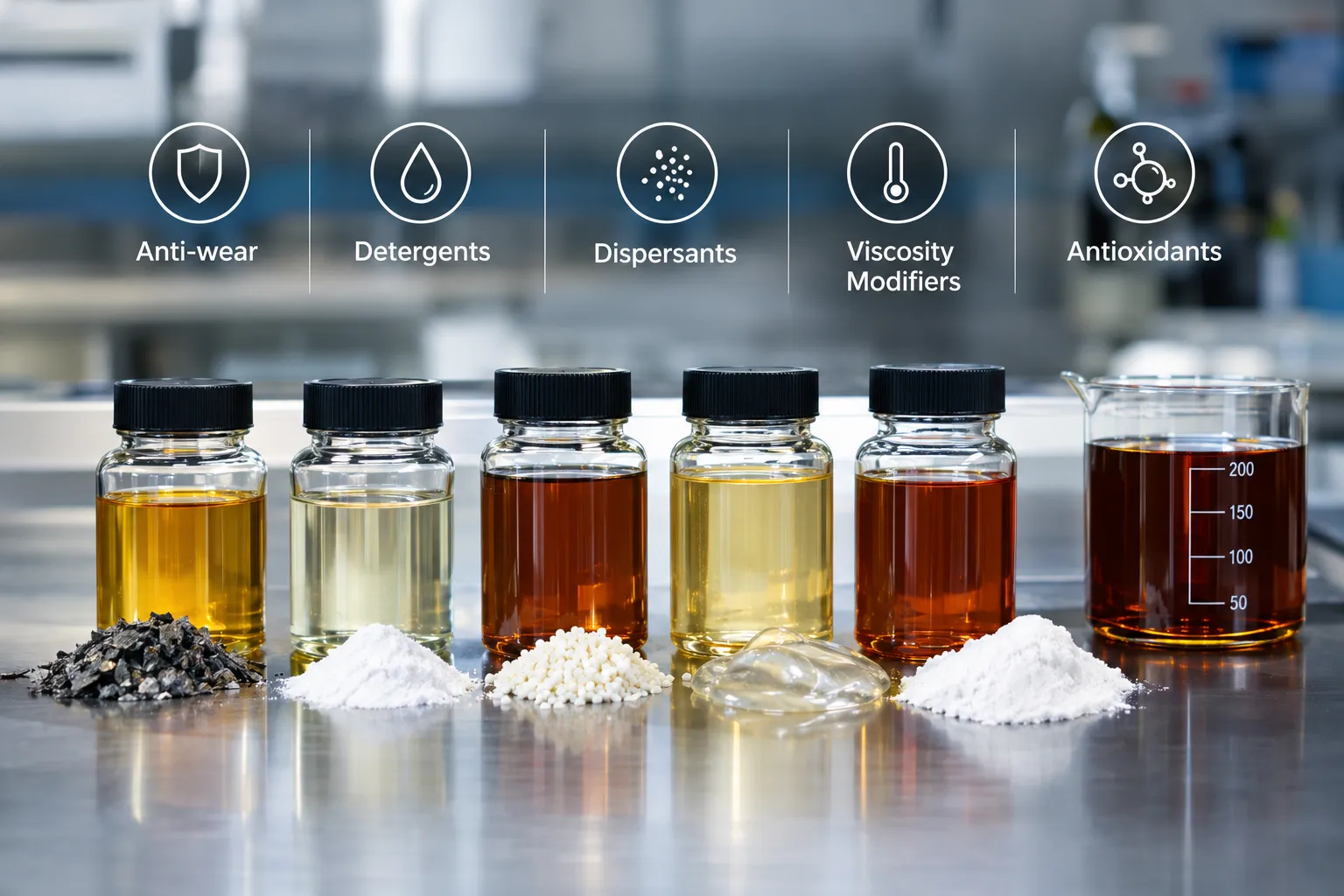

When people think about engine oil or industrial lubricants, they often focus on the base oil. However, base oil is only part of the formulation. The right combination of additives determines how effectively a lubricant handles heat, friction, oxidation, deposits, corrosion, and other operating challenges.
This is where lubricant additives manufacturers provide specialised solutions. They develop individual additives and complete additive packages designed for different lubricant applications, from automotive engine oils to hydraulic fluids and industrial lubricants.
For businesses in the UAE, understanding these additive types can make it easier to select suitable products for specific equipment and operating conditions.
What Are Lubricant Additives?
Lubricant additives are chemical compounds blended into base oils to improve particular performance characteristics. Some additives protect metal surfaces, while others keep the oil clean, control foam, improve temperature stability, or slow chemical degradation.
There is no single additive that can address every lubrication requirement. A modern lubricant may contain several additives that perform different functions while working together as a carefully balanced formulation.
Common Types of Lubricant Additives
1. Detergents
Detergent additives help keep engine components cleaner by controlling deposits and neutralising certain acidic compounds formed during operation.
They are commonly used in engine oils, particularly formulations designed for applications where deposit control and engine cleanliness are important.
2. Dispersants
Dispersants help keep contaminants and combustion by-products suspended in the oil. This reduces the tendency of these particles to combine and form sludge or deposits on engine surfaces.
They are especially useful in engine oils that need to maintain cleanliness over extended operating periods.
3. Anti-Wear Additives
Friction and metal-to-metal contact can gradually damage moving components. Anti-wear additives help form a protective layer on metal surfaces, reducing wear under demanding conditions.
These additives are widely used in engine oils, hydraulic fluids, gear oils, and other lubricants where component protection is essential.
4. Antioxidants
High temperatures and exposure to oxygen can accelerate oil oxidation. Oxidised oil can become thicker and may contribute to deposits and reduced lubricant performance.
Antioxidant additives slow these chemical reactions and help improve the lubricant's resistance to thermal and oxidative degradation.
5. Corrosion and Rust Inhibitors
Moisture and chemical contaminants can create conditions that encourage rust and corrosion. Corrosion inhibitors help protect metal surfaces from these effects.
These additives can be valuable in industrial equipment, hydraulic systems, engines, and machinery that may experience exposure to moisture or harsh environments.
6. Viscosity Improvers
Oil viscosity changes as temperature changes. Viscosity improvers help lubricants maintain more suitable viscosity characteristics across a wider operating temperature range.
They are particularly important in multigrade engine oils, where the lubricant needs to provide effective protection during different operating conditions.
7. Pour Point Depressants
At lower temperatures, oil can become increasingly difficult to flow. Pour point depressants modify the behaviour of wax crystals in certain base oils, helping maintain better low-temperature flow.
Although the UAE has a generally warm climate, these additives remain relevant for lubricants that may be transported, stored, or used across different regions and temperature conditions.
8. Anti-Foaming Additives
Foam can interfere with proper lubrication and may reduce the effectiveness of hydraulic and lubrication systems. Anti-foaming additives help control excessive foam formation.
They are commonly considered in hydraulic fluids, gear oils, engine oils, and other applications where fluid movement can introduce air.
How Do Manufacturers Choose the Right Additives?
Creating a lubricant is not simply a matter of adding as many performance chemicals as possible. Each component must be compatible with the base oil and other additives.
Lubricant additives manufacturers consider the intended application, operating temperature, equipment type, viscosity grade, performance requirements, and relevant specifications when developing formulations.
For example, an additive package for a heavy-duty diesel engine will have different requirements from one designed for a hydraulic system. The same principle applies to industrial gear oils, compressor oils, transmission fluids, and other specialised lubricants.
Testing and quality control are also essential. Manufacturers evaluate factors such as oxidation stability, wear protection, deposit control, corrosion resistance, and compatibility before an additive solution is recommended for commercial use.
Why Additive Selection Matters in the UAE
The UAE has a broad industrial and automotive sector, including logistics, construction, manufacturing, marine operations, and heavy equipment. Many of these applications place significant demands on lubricants.
High ambient temperatures, long operating hours, heavy loads, and dusty environments can make lubricant performance particularly important.
Choosing the correct additive technology can help businesses maintain equipment reliability and support more consistent lubricant performance. Working with an experienced supplier also provides access to technical guidance when developing or selecting formulations.
Final Thoughts
Lubricant additives may represent a relatively small part of a finished lubricant, but their impact on performance can be substantial. From controlling wear and oxidation to managing deposits, foam, corrosion, and viscosity, each additive serves a specific purpose.
For lubricant blenders and industrial businesses in the UAE, partnering with reliable lubricant additives manufacturers can provide access to consistent products, technical expertise, and application-specific solutions.
If you are developing a new lubricant formulation or improving an existing product, explore suitable additive technologies and speak with an experienced manufacturer to find a solution aligned with your performance and application requirements.
FAQs
What are the main types of lubricant additives?
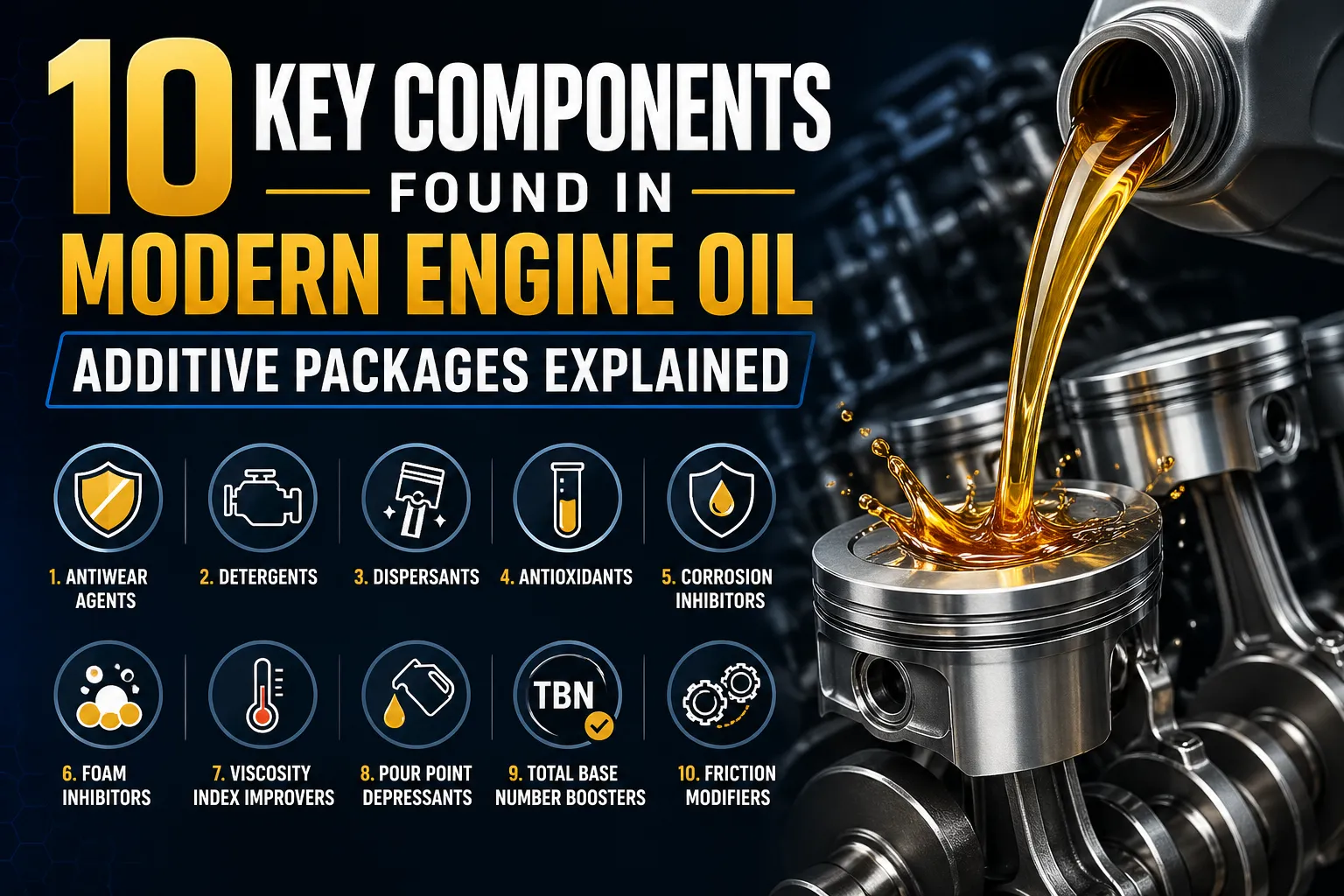
Common categories include detergents, dispersants, anti-wear additives, antioxidants, corrosion inhibitors, viscosity improvers, pour point depressants, and anti-foaming additives.
Are additives used only in engine oils?
No. Additives are used in hydraulic fluids, gear oils, transmission fluids, industrial lubricants, compressor oils, and many other lubrication products.
Can different additives be combined?
Yes, but they need to be carefully formulated. Compatibility and concentration are critical because different additives can interact with each other.
How do I choose the right lubricant additive?
Consider the lubricant application, base oil, equipment requirements, operating conditions, viscosity grade, and required performance specifications. An experienced additive supplier can also provide formulation guidance.
























Sign in to leave a comment.