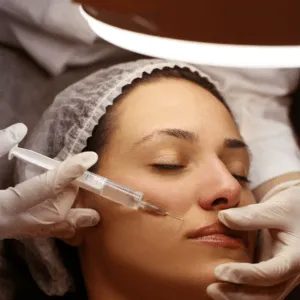

Demand for medical cosmetic injections keeps growing, and more licensed healthcare professionals are looking at botox and filler training as a way to expand their skills. Before enrolling, most of them ask the same question: what will I actually learn? This guide covers the core areas a well-structured cosmetic injectable course teaches, using the National Academy of Aesthetic Medicine (NAAM) in Toronto as the example.

How Botox and Filler Training Is Structured
A good botox and filler training program combines theory with supervised practice. NAAM uses a three-step approach:
- Online video modules for on-demand learning
- Hands-on clinical training at its Toronto facility
- Post-course mentorship to support the move into independent practice
Theory comes first, then supervised injections. Students arrive at the clinical sessions already familiar with the concepts they will apply.
Facial Anatomy: The Foundation of Safe Injecting
Facial anatomy is the base for everything else in cosmetic injectables. Neuromodulators and dermal fillers are both placed in areas where muscles, fat, blood vessels and nerves sit close together. An injector who understands how these structures are arranged can plan treatments more precisely and work more safely.
NAAM states that its Botox training courses focus on facial anatomy, injection safety and real-world clinical application. This is why anatomy is taught before technique. Knowing where to inject, and why, matters more than memorizing a pattern.
Injection Zones and Treatment Areas
Once anatomy is clear, training moves to injection zones: the specific areas of the face where treatment is delivered. NAAM describes its botox and filler training programs as teaching facial aesthetics, injection zones, product handling and patient safety across multiple treatment areas.
Learning these zones gives students a map they can adapt to different faces. Every patient presents differently, and an injector has to read each face individually rather than apply one fixed approach to everyone.
Neuromodulators and Dermal Fillers: Two Skill Sets
Cosmetic injectables fall into two broad groups, and each calls for its own technique.
- Neuromodulator (Botox) training covers neuromodulator injection techniques, patient assessment and treatment planning. NAAM's flagship program, The Botox Mastership™, is built around these areas and is structured for both beginners and experienced injectors.
- Dermal filler training covers filler injection technique and product handling. Trainees practice dermal filler injection during The Fillers Mastership™.
Practitioners who want both skill sets can take Aesthetic Injection Mastery, which NAAM describes as combining Botox and filler training in a single structured program. For those who want to go further, NAAM also lists an Advanced Filler Course.
Product Handling
Product handling is the part of training that gets the least attention, yet it is a distinct skill. It covers how injectable products are managed before they reach the patient. NAAM includes product handling in its list of topics for botox and filler training. Because it sits alongside anatomy and injection zones, students learn it as part of the complete clinical process rather than as an afterthought.
Patient Assessment and Treatment Planning
Good results begin before the needle. NAAM's Botox Mastership™ gives training in patient assessment and treatment planning. This means learning to evaluate a patient, understand what they want, and decide whether and how to treat. Students also learn to judge when a treatment is not the right fit for a particular patient.
Patient Safety
Patient safety runs through every part of an injectable course. NAAM describes its training as teaching safe, effective and confident injection techniques, with injection safety as a stated focus. Safe practice rests on three things: strong anatomical knowledge, careful assessment, and supervised hands-on experience. These are the same areas covered above.
Hands-On Practice With Live Patient Models
Reading about a technique is different from performing it. Hands-on botox and filler training at NAAM takes place at its Toronto training facility, where students treat real patient models under expert supervision. Sessions are held in small groups, so each trainee receives focused, personalized guidance.
Working with live models also exposes students to a range of patient types. One graduate review on NAAM's site notes that the patient models were diverse and gave insight into working with different patients.
Mentorship After the Course
Finishing a course is only the start. NAAM provides ongoing mentorship to help graduates close any knowledge gaps and move into independent practice. For many injectors, this support makes the biggest difference when they begin treating their own patients.
Who Can Take Botox and Filler Training?
Botox and filler training at NAAM is designed exclusively for licensed medical professionals, including:
- Physicians
- Nurse practitioners
- Registered nurses
- Dentists
Students who complete The Botox Mastership™ receive credential documentation confirming completion.
Choosing the Right Course
When comparing options for botox and filler training, look for a curriculum that covers anatomy, injection zones, product handling and patient safety, and that includes supervised hands-on practice and post-course support. If you're unsure which program suits your experience and goals, NAAM invites you to contact its team for guidance on choosing the right course.
Final Thoughts
A strong botox and filler training program gives you more than injection technique. It builds an understanding of facial anatomy, treatment areas, product handling and patient safety, then lets you practice under supervision. With that foundation, you can start offering cosmetic injectables with confidence.


















Sign in to leave a comment.