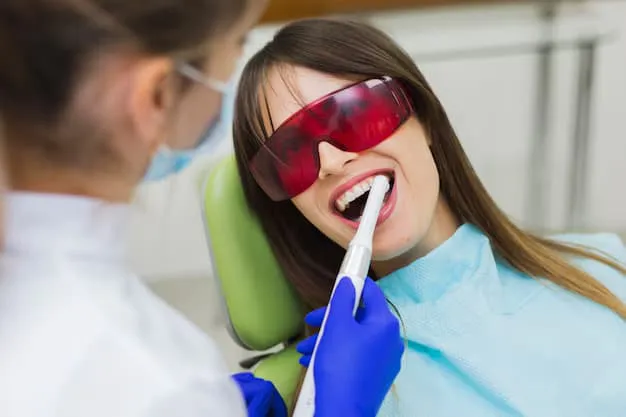

When I notice that my smile has become darker or more stained, I may start considering cosmetic options to improve the colour of my teeth. Teeth can naturally change shade because of ageing, food, drinks, lifestyle habits, and certain medications. Before I choose a bleaching treatment, I need to understand whether it is suitable for my teeth, what results I can realistically expect, and how I should maintain my smile afterward. Learning about teeth bleaching essex can help me approach treatment with better preparation and a clearer understanding of the process.
Understanding Why Teeth Become Discoloured
Tooth discolouration can develop for many different reasons, and identifying the cause can be useful before choosing bleaching. Coffee, tea, red wine, tobacco, and strongly coloured foods can contribute to surface staining over time. Natural ageing can also make teeth appear darker as enamel changes and the underlying dentine becomes more visible. Some types of discolouration may develop within the tooth and respond differently to bleaching. Understanding why my teeth have changed colour allows me to discuss suitable options with a dental professional before beginning cosmetic treatment.
Surface Stains and Deeper Discolouration
Not every type of staining responds to bleaching in the same way. Surface stains caused by certain foods, drinks, or lifestyle habits may respond more readily to professional treatment. Deeper discolouration can sometimes be more challenging to change and may have different causes. If one tooth appears significantly darker than the others, I should mention this during my dental assessment. A professional examination can help determine whether bleaching is appropriate or whether another dental concern needs investigation before I proceed with cosmetic treatment.
Having My Dental Health Checked
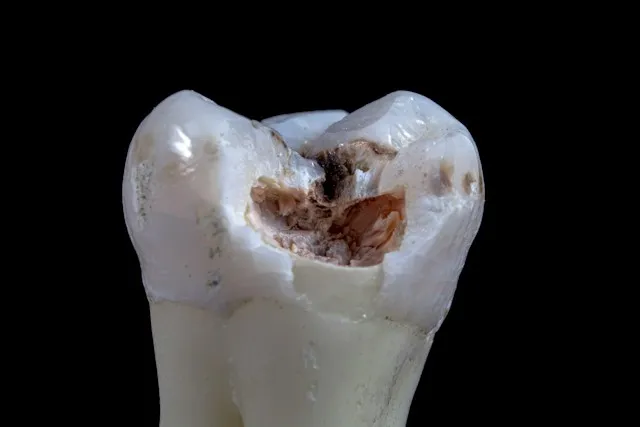
Before I consider bleaching, I should have my teeth and gums assessed. Existing cavities, damaged teeth, gum disease, exposed tooth surfaces, or other oral health problems may need treatment first. Bleaching is a cosmetic procedure and should not be used to cover untreated dental problems. An examination can also help determine whether my enamel and gums are suitable for the proposed treatment. Taking this step gives me a better understanding of my oral health and allows any necessary dental care to be addressed before cosmetic treatment begins.
Discussing My Dental History
My dental history can influence whether bleaching is appropriate and how the treatment should be planned. I should tell my dental professional about previous restorations, sensitivity, dental procedures, medications, and any concerns involving my teeth or gums. This information can help identify factors that may affect treatment. I should also mention previous whitening or bleaching treatments and how I responded to them. Providing accurate information allows the treatment approach to be considered around my individual circumstances rather than relying on a standard method that may not suit me.
Understanding Professional Bleaching
Professional bleaching involves the controlled use of whitening products designed to lighten the colour of suitable natural teeth. The active ingredients can help break down certain stains and change the appearance of tooth colour. Treatment may be provided using customised trays or through professionally supervised procedures, depending on my needs and the available approach. I should ask how the recommended method works and how long it may take. Understanding the process beforehand can help me feel more prepared and avoid using products incorrectly or excessively.
Considering Customised Treatment
A personalised approach can be useful because tooth colour, sensitivity, dental history, and treatment goals vary between individuals. If I am provided with customised trays, they can be designed to fit my teeth and support controlled application of the whitening product. My dental professional can explain how much product to use and how long the trays should be worn. Following these instructions is important because using too much product does not necessarily improve the result. A controlled approach can support comfort while helping me work towards the intended shade.
Understanding Possible Sensitivity
Temporary sensitivity is one of the most common concerns associated with tooth bleaching. I may notice sensitivity to cold drinks, hot foods, sweet items, or air during or after treatment. If I already have sensitive teeth, I should discuss this before beginning bleaching. My dental professional can consider my situation and recommend an appropriate approach. I should also follow any guidance provided about managing sensitivity. If discomfort becomes severe or continues after treatment, I should seek professional advice rather than continuing bleaching without assessment.
Protecting My Gums
The bleaching product should be used carefully because contact with the gums may cause temporary irritation. This is another reason why I should follow professional instructions closely when using whitening products. If I use a home bleaching system, I should apply only the recommended amount and wear the trays for the specified time. If I notice significant gum irritation, I should stop and seek advice. Protecting the soft tissues around my teeth is an important part of approaching cosmetic bleaching responsibly and maintaining good oral health.
Considering Existing Dental Restorations
If I have crowns, veneers, fillings, bridges, or other restorations, I should discuss them before bleaching. Whitening products generally affect natural tooth structure and do not change the colour of most existing restorations in the same way. This means my natural teeth may become lighter while visible restorations remain unchanged. If a restoration is located near the front teeth, the difference could become noticeable. Discussing this possibility before treatment allows me to understand the likely result and consider whether any additional cosmetic planning may be appropriate.
Thinking About My Desired Shade
Before bleaching, I should consider what kind of result I actually want. A natural looking improvement may be more suitable than choosing an extremely bright shade. My natural tooth colour and dental characteristics influence the result, so I should discuss realistic expectations with my dental professional. I can explain whether I want a subtle improvement or a more noticeable change. Having a clear goal makes it easier to discuss the treatment and understand whether the proposed approach is likely to provide the type of result I am seeking.
Understanding How Long Treatment Takes
The duration of bleaching depends on the treatment method and the level of improvement required. Some approaches may involve a professional appointment, while customised home trays may be used over a longer period under supervision. I should ask how often the treatment should be carried out and when I may begin noticing changes. Trying to shorten the recommended treatment period is not advisable because excessive use can increase sensitivity or irritation. Following the planned schedule can help me approach treatment in a controlled and responsible manner.
Knowing What to Expect Afterwards
After bleaching, I may experience temporary sensitivity, and I may receive advice about foods and drinks to consume during the immediate period. My dental professional can provide specific guidance based on the treatment used. I should continue maintaining good oral hygiene and avoid habits that may contribute to rapid staining. Drinking water after strongly coloured drinks can also be useful. Understanding the immediate aftercare requirements helps me prepare for the days following treatment and supports the maintenance of my brighter smile.
Maintaining My Results
Bleaching results can gradually fade because natural teeth continue to experience exposure to food, drinks, lifestyle habits, and ageing. I should maintain regular brushing, interdental cleaning, dental examinations, and professional hygiene appointments. Limiting frequent exposure to strongly staining substances may also help maintain the appearance of my teeth. If I feel that my smile has become darker again, I should speak to my dental professional before using additional bleaching products. Maintenance should be based on my dental condition rather than repeated treatment without professional guidance.
Considering Future Treatments
Bleaching may improve tooth colour, but it does not change tooth shape, position, or significant structural concerns. If I also have chipped teeth, gaps, uneven edges, or worn surfaces, I may need to discuss other cosmetic options. Treatments such as bonding, veneers, or orthodontic care may sometimes be considered depending on my individual needs. I should not assume that bleaching is the answer to every cosmetic concern. A consultation can help me understand whether additional treatment is necessary or whether improving tooth colour alone may meet my expectations.
Making an Informed Decision
Before proceeding with bleaching, I should consider my dental health, expectations, sensitivity, existing restorations, treatment method, cost, maintenance, and possible alternatives. I can ask questions about the proposed procedure and take time to understand the information provided. Choosing a treatment based on my individual circumstances is more useful than relying solely on photographs or experiences from other people. A professional consultation gives me an opportunity to discuss my concerns openly and understand whether bleaching is an appropriate choice for achieving the smile improvement I want.
Conclusion
Teeth bleaching can be an effective cosmetic option for improving the colour of suitable natural teeth, but preparation and professional guidance are important. I should understand the cause of my discolouration, have my dental health assessed, consider sensitivity and existing restorations, and develop realistic expectations about the final result. Good oral hygiene and appropriate maintenance can also help preserve the appearance of my smile. If I am considering teeth bleaching essex, Perfect Smile Spa can help me explore suitable options based on my dental health, cosmetic goals, lifestyle, and individual expectations.
























Sign in to leave a comment.