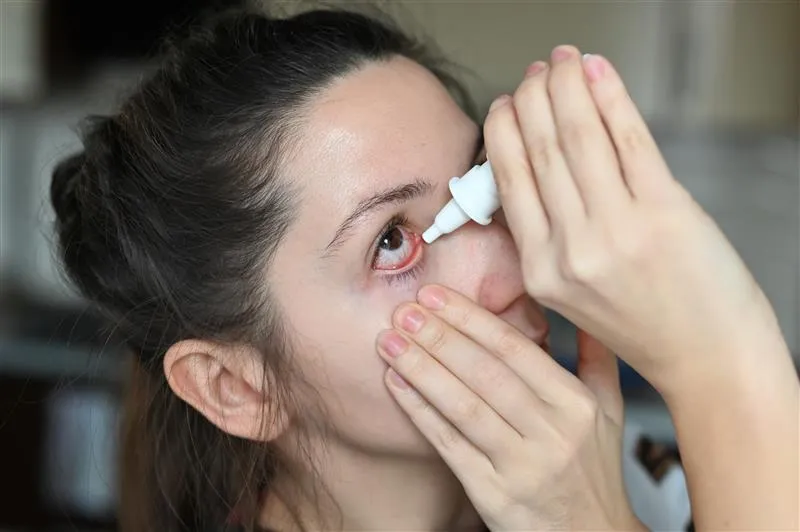

You wake up, look in the mirror, and notice that your eyes are red.
Maybe you stayed up too late. Maybe you've been staring at your laptop all day. Maybe it's allergy season.
So you do what most people do: reach for some eye drops and hope the redness disappears.
But what if your bloodshot eyes aren't simply telling you that you're tired?
Sometimes, red eyes are your body's way of saying, “Pay attention.”
The good news? Red eyes are often caused by something minor and temporary. The trick is knowing when they're harmless, and when youshould look for red eye treatment.
First, Why Do Eyes Turn Red?
Your eyes contain tiny blood vessels that are normally difficult to see. When those vessels become enlarged or irritated, they become much more noticeable.
And suddenly, your eyes look bloodshot.
That can happen for plenty of everyday reasons:
- You didn't get enough sleep.
- You've been glued to a screen for hours.
- Your eyes are dry.
- Seasonal allergies are bothering you.
- Smoke, dust, or other irritants got into your eyes.
- Your contact lenses are causing irritation.
- You've been rubbing your eyes more than you realize.
So yes, sometimes your red eyes really are just tired eyes.
But not always.
Your Screens Might Be Part of the Problem
Think about a normal day.
You wake up and check your phone. Then you spend hours on your computer. You scroll during lunch. You watch TV at night.
Your eyes spend most of the day looking at something.
When you're concentrating on a screen, you tend to blink less. That can contribute to dryness and irritation, which may leave your eyes feeling gritty, tired, watery, or red.
Try the simple fix first: take regular screen breaks and give your eyes a chance to relax.
If redness keeps returning despite making these changes, though, it may be time to look beyond screen fatigue.
What About Allergies?
If your red eyes also itch, water, or feel irritated, allergies could be the culprit.
Pollen, dust, pet dander, and other allergens can trigger an inflammatory response that makes the eyes red and uncomfortable.
And here's something important:
Rubbing them usually makes things worse.
It can increase irritation and make those already-visible blood vessels even more noticeable.
So if allergy season turns your eyes red every year, don't simply accept it as something you have to live with. An eye care professional can help determine what's triggering your symptoms and discuss appropriate treatment options.
Dry Eyes Can Look Red Too
Here's another common reason people overlook.
Your eyes need a healthy tear film to stay comfortable and protected. When your eyes don't produce enough tears—or when those tears evaporate too quickly—you can experience dry eye symptoms.
That may include:
- Burning.
- Stinging.
- A gritty sensation.
- Watery eyes.
- Blurred vision.
- And, yes, redness.
This is one reason there's no single answer to the question, “What's the best red eye treatment?”
The right treatment depends on what's actually causing the redness.
Should You Just Use Eye Drops?
Not necessarily.
Some over-the-counter eye drops can provide temporary relief, particularly when dryness or minor irritation is involved.
But repeatedly using products simply to make your eyes look whiter doesn't solve the underlying problem.
If your eyes keep turning red, the better question is:
Why does this keep happening?
Finding the cause can be much more useful than repeatedly trying to hide the symptom.
When Should You Take Red Eyes Seriously?
Most cases of red eyes aren't something to panic about.
But redness deserves more attention when it's persistent, severe, or accompanied by other symptoms.
Don't ignore red eyes if you also experience:
- Eye pain
- Changes in your vision
- Significant sensitivity to light
- Noticeable swelling
- Unusual discharge
- A feeling that something is stuck in your eye
- Symptoms that aren't improving
These signs don't automatically mean something serious is happening, but they are good reasons to have your eyes evaluated rather than trying to diagnose the problem yourself.
Looking for Red Eye Treatment in Brickell?
If you're searching for red eye treatment Brickell, you don't have to guess your way through every possible cause.
At Eyes on Brickell, an eye care professional can evaluate your symptoms and help determine what may be behind persistent redness or irritation.
Because treating red eyes isn't about finding the strongest eye drop on the shelf.
It's about finding the right solution for the reason your eyes are red.
Need Red Eyes Treatment in Miami?
Whether your eyes are irritated after long workdays, constantly affected by allergies, or repeatedly becoming red for no obvious reason, getting professional guidance can help you understand what's happening.
For people looking for red eyes treatment Miami, Eyes on Brickell offers professional eye care in a convenient Brickell setting.
And sometimes, knowing why your eyes are red is the biggest relief of all.
Your Eyes May Be Saying More Than You Think
The next time you look in the mirror and see bloodshot eyes, don't automatically assume you need more sleep.
Maybe you do.
Or maybe it's dryness. Allergies. Irritation. Your contact lenses. Too much screen time. Or something that deserves a professional evaluation.
Redness is a symptom, not a diagnosis.
If your eyes keep sending the same message, it's worth listening to.
Want to Know More About Your Bloodshot Eyes?
Eyes on Brickell has put together a detailed guide explaining why red-bloodshot eyes happen, what may help, and when it's time to seek professional eye care.
Read the full guide: Red-Bloodshot Eyes: Why It Happens & How to Treat It
And if persistent redness or irritation has become part of your everyday life, consider scheduling an eye exam with Eyes on Brickell. Because your eyes shouldn't have to shout before you start listening.
Visit us at 2885 SW 3rd Ave, Suite 100, Miami, FL 33129.
Frequently Asked Questions
What causes my eyes to turn red?
Red eyes occur when tiny blood vessels in the eyes become enlarged or irritated. Common causes include lack of sleep, screen time, allergies, dryness, and irritants like smoke or dust.
Are eye drops a good solution for red eyes?
While over-the-counter eye drops can provide temporary relief for minor irritation or dryness, they don't address the underlying cause of redness. It's important to identify why your eyes are red before relying solely on eye drops.
When should I be concerned about my red eyes?
You should take red eyes seriously if they persist, are accompanied by pain, changes in vision, sensitivity to light, swelling, unusual discharge, or if symptoms aren't improving. These signs warrant a professional evaluation.
How can I relieve red eyes from screen time?
To alleviate red eyes caused by screen time, take regular breaks to rest your eyes, practice the 20-20-20 rule, and ensure you're blinking often. This helps reduce dryness and irritation, which can lead to redness.
Could allergies be making my eyes red?
Yes, allergies can cause red, itchy, and watery eyes due to an inflammatory response to allergens like pollen or dust. If you suspect allergies, consult an eye care professional for diagnosis and treatment options.
What are the symptoms of dry eyes?
Dry eyes can present with symptoms like burning, stinging, a gritty sensation, watery eyes, blurred vision, and redness. If you're experiencing these symptoms, it may indicate a need for proper eye lubrication or treatment.
How can I prevent bloodshot eyes?
To prevent bloodshot eyes, ensure you get adequate sleep, take regular screen breaks, maintain proper hydration, and manage allergies effectively. Additionally, avoiding rubbing your eyes can help reduce irritation.




























Sign in to leave a comment.