

A septic system does an important job every day, yet it rarely gets attention when everything is working normally. Wastewater disappears down the drain, the yard looks fine, and life carries on. Behind the scenes, however, solids are accumulating, bacteria are breaking down waste, and treated liquid is moving toward the drain field. Knowing what happens beneath the surface makes it easier to recognize when maintenance is due. For homeowners researching septic pumping in Apopka, understanding these basics can help prevent avoidable plumbing trouble.
Your Septic Tank Has a Limited Capacity
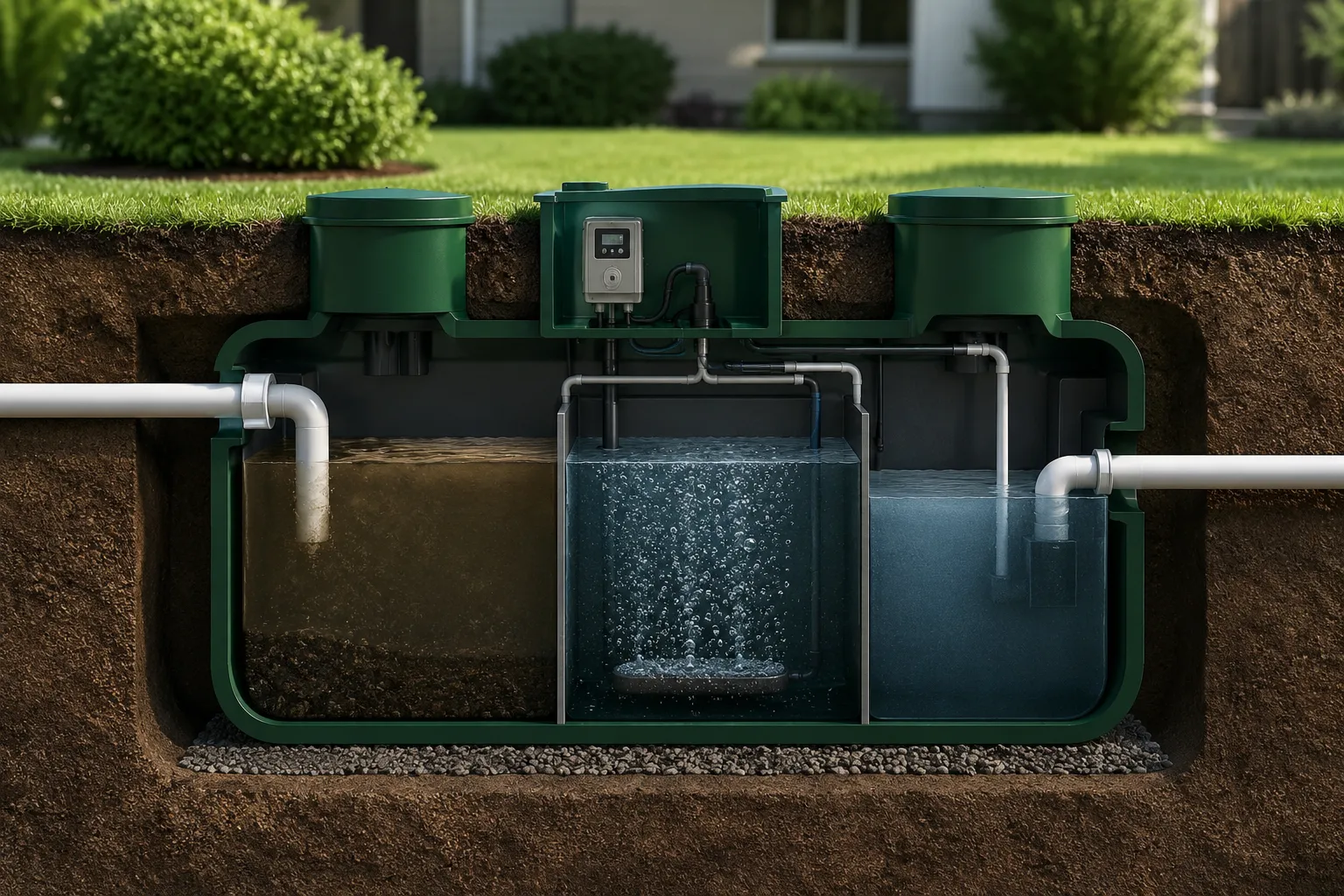
A septic tank is not a storage tank that can be left alone indefinitely. Waste enters the tank continuously, and heavier solids settle into a sludge layer while lighter materials form a floating layer of scum. Naturally occurring microorganisms help break down part of the waste, but they cannot eliminate everything.
As these layers become thicker, the amount of usable space inside the tank decreases. If the buildup becomes excessive, solids can move beyond the tank and into the drain field. That is where a manageable maintenance issue can turn into a much more complicated problem.
Regular pumping removes accumulated material and gives the system room to continue performing its normal treatment process.
The Drain Field Deserves Just as Much Attention
Homeowners often associate septic maintenance exclusively with the tank, but the drain field is equally important. After wastewater leaves the tank, it enters the drain field, where it is distributed into the surrounding soil for further treatment.
What happens above the drain field can affect what happens below it.
Avoid driving vehicles or parking heavy equipment over the area. Excessive weight can compact the soil and interfere with wastewater absorption. Roof runoff, gutters, and other sources of concentrated water should also be directed away from the drain field.
Landscaping deserves consideration, too. Deep-rooted trees and shrubs planted too close to septic components can eventually interfere with underground pipes.
Your Household Habits Become Part of the Maintenance Plan
Every household contributes to the workload placed on its septic system. A family that uses large amounts of water throughout the day creates different demands from a smaller household with moderate water consumption.
You can reduce unnecessary stress by making a few practical changes:
- Repair leaking toilets and faucets promptly.
- Spread laundry throughout the week rather than doing many loads at once.
- Use water-efficient fixtures where practical.
- Avoid flushing anything that does not belong in the toilet.
- Keep grease, oils, and difficult-to-break-down materials out of household drains.
Water conservation is especially useful because a sudden surge of wastewater can move through the tank faster than the system can properly separate solids and liquids.
What Should Never Go Down the Drain?
Your septic tank is designed to receive household wastewater and biodegradable waste. It is not a disposal system for everything you no longer need.
Cooking grease may seem harmless when poured into a sink, but it can cool and accumulate in plumbing. Paper towels, wipes, feminine hygiene products, and similar materials may contribute to blockages because they do not break down like ordinary toilet paper.
Harsh chemicals can also interfere with the biological activity that supports treatment. Paint, solvents, automotive fluids, and other hazardous substances should never be treated as ordinary household wastewater.
A simple rule works well: if something is not designed to be flushed or washed down a drain, find another appropriate disposal method.
Warning Signs Should Not Be Put on the Back Burner
Septic problems often become more expensive when early symptoms are ignored.
Pay attention when drains throughout the house begin slowing down rather than assuming the problem is limited to one fixture. Gurgling toilets, recurring backups, unpleasant odors, wet areas around the drain field, or unusually lush vegetation over the septic area can also warrant investigation.
One isolated plumbing issue does not automatically mean the septic system has failed. However, repeated or widespread symptoms deserve professional attention.
Getting an issue evaluated while it is still developing can make the difference between routine maintenance and extensive repair work.
Pumping Is About Prevention, Not Just Emergencies
Waiting until wastewater backs up into the house is one of the least convenient ways to discover that a septic tank needs service. Pumping should instead be treated as preventive maintenance.
The right schedule varies from property to property. Household size, tank capacity, water consumption, and the amount of solids entering the system all influence how quickly a tank fills.
Rather than relying on a universal calendar, homeowners should keep records of previous service and discuss an appropriate maintenance interval with a qualified septic professional. This creates a more predictable routine and reduces the chance of an unpleasant surprise.
For properties across a larger area, searching for septic pumping in Lake County can also be part of establishing a reliable local maintenance routine.
Local Conditions Can Influence Septic Care
There is no single maintenance strategy that fits every property. Soil characteristics, drainage conditions, landscaping, household usage, and the design and age of the septic system can all influence performance.
That is why professional evaluations are valuable. A technician can look beyond the immediate symptom and consider how the different parts of the system are functioning together.
Homeowners should also keep useful records, including pumping dates, inspection findings, repairs, and any changes made to the system. Having this information available can make future troubleshooting much easier.
A Few Hours of Attention Can Prevent Years of Trouble
Septic maintenance does not have to be complicated. The most effective approach is consistent rather than reactive: use water responsibly, protect the drain field, keep unsuitable materials out of the plumbing, watch for warning signs, and schedule professional service before a minor issue becomes an emergency.
For local homeowners, A1 Septic Service provides professional septic care designed to help properties maintain dependable wastewater systems.
A septic system may remain invisible most of the time, but that does not mean it should be forgotten. A little attention at the right time can protect your plumbing, your yard, and your budget while helping the system continue doing its job quietly for years to come.


























Sign in to leave a comment.