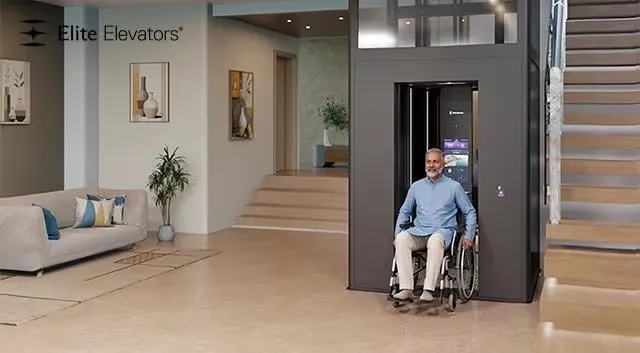

A home should provide comfort, independence and freedom of movement for everyone. However, steps, raised entrances and multi-storey layouts can create daily challenges for people who use wheelchairs or have limited mobility. Moving between different levels should not have to mean relying on others for assistance or undertaking major changes to your lifestyle.
A wheelchair platform lift for home can offer a practical solution by helping people move safely between designated levels. Whether you want to improve access to your entrance, connect different floors or make your property more suitable for long-term living, choosing the right accessibility lift can make a meaningful difference.
For homeowners in Perth and across Australia, understanding the available lift options, installation requirements and safety considerations is an important first step towards creating a more accessible home.
What Is a Wheelchair Platform Lift for Home?
A wheelchair platform lift is a powered accessibility system that raises or lowers a platform between different levels. It is designed to help wheelchair users and, depending on the model, other people with mobility limitations navigate changes in height.
Unlike a conventional passenger lift, a platform lift may be suitable for specific accessibility applications where the vertical travel distance and available space make it an appropriate choice.
Depending on the property and selected model, a wheelchair platform lift may be considered for:
- Raised entrances and front porches
- Small changes in floor level
- Split-level residential layouts
- Access to elevated verandahs or decks
- Selected indoor and outdoor accessibility applications
The most suitable system depends on the height to be travelled, the user's mobility requirements, available space and the building's configuration. A professional assessment can help establish whether a platform lift is appropriate for your home.
Why Choose a Wheelchair Platform Lift for Your Home?
Accessibility is about more than getting from one level to another. It is also about making everyday activities more manageable and allowing people to use their homes with greater confidence.
Here are some important benefits to consider.
1. Improve Everyday Independence
Steps and raised entrances can make ordinary activities difficult for wheelchair users. A suitably designed platform lift can provide a dedicated way to navigate these obstacles.
Depending on the installation, it may help users access an entrance, move between selected levels or reach an outdoor living area without needing to navigate stairs.
The goal is to make essential areas of the home easier to access while supporting the user's independence.
2. Make Better Use of Your Existing Space
Major structural renovations are not always the preferred option for homeowners. In some situations, a platform lift may provide an alternative to extensive changes to the property's layout.
Certain models are designed for compact installations, making them worth considering where space is limited. However, the lift still needs sufficient room for the platform, access points, safety clearances and any supporting structure.
A site assessment will help determine whether the available space can accommodate a suitable system.
3. Improve Access to Outdoor Areas
A raised porch, garden entrance or outdoor entertaining area can be difficult to reach when steps are present.
Depending on the lift's specifications and environmental rating, a wheelchair platform lift may help connect indoor and outdoor levels. Outdoor installations require careful consideration of weather protection, drainage, surface conditions and electrical safety.
Choose a model specifically suited to the intended environment rather than assuming that every platform lift can be installed outdoors.
4. Support Long-Term Accessibility
Mobility requirements can change over time. A home that works well today may become more challenging to navigate following an injury, changes in mobility or the needs of an ageing family member.
Planning accessibility improvements early can help homeowners make informed decisions about their property's future usability.
A wheelchair platform lift may form part of a broader accessibility strategy that includes suitable doorways, ramps, handrails and accessible bathroom arrangements.
5. Reduce the Need to Navigate Steps
Stairs can present significant barriers for people who use wheelchairs. A correctly selected and installed platform lift provides an alternative route between the levels it serves.
However, a lift should not be treated as a complete solution to every accessibility concern. The surrounding pathways, landing areas, doorways and emergency arrangements also need to be suitable for the intended users.
Wheelchair Platform Lifts vs Traditional Home Lifts
Although both systems help people travel between levels, wheelchair platform lifts and conventional residential passenger lifts serve different purposes.
Wheelchair platform lifts are designed primarily for accessibility over a specified vertical distance. Depending on the model, they may be particularly suitable for raised entrances, short vertical transitions and certain split-level applications.
Traditional home lifts are generally designed to transport passengers between floors and may be more appropriate for regular travel throughout a multi-storey house.
When deciding between the two, consider the following factors:
- Travel height: How far must the user travel vertically?
- Available space: Can the property accommodate the complete installation?
- Wheelchair dimensions: Does the platform provide sufficient room and capacity?
- Frequency of use: Will the lift serve an entrance or connect several regularly used floors?
- Building requirements: What structural changes and approvals may be necessary?
- Long-term needs: Would a different lift type better accommodate future mobility requirements?
There is no single best solution for every property. A qualified provider can assess the options against your specific needs.
How to Choose the Right Wheelchair Platform Lift
Selecting a suitable lift involves more than comparing prices or choosing the smallest available model. The system should match the user's needs and the property's physical requirements.
Check Platform Size and Weight Capacity
The platform must accommodate the wheelchair and user within the manufacturer's specified dimensions and rated capacity.
Consider the wheelchair's overall width and length, turning or positioning requirements and whether the user needs a carer to accompany them. Not every model accommodates both a wheelchair and another person.
Consider Travel Height
Platform lifts are designed for particular travel distances. Confirm that the model is suitable for the height difference between the required levels.
The travel height may influence the lift type, supporting structure and safety arrangements.
Assess Entry and Exit Access
Users need enough space to approach, enter and leave the lift comfortably. Door or gate positioning, landing dimensions and the surrounding pathway can all affect accessibility.
Where possible, assess the complete route rather than looking at the lift in isolation.
Review Safety Features
Ask about the safety features available for the selected model, including platform barriers, gate interlocks, emergency stop controls, obstruction protection and emergency lowering or rescue procedures where applicable.
The exact features will depend on the lift design and relevant requirements. Confirm which are included and how they operate.
Consider Indoor or Outdoor Installation
An indoor lift and an outdoor lift may have different installation and environmental requirements. For an outdoor location, ask about weather resistance, drainage, corrosion protection and the manufacturer's approved operating conditions.
Compare Installation and Maintenance Costs
The purchase price is only one part of the total investment. Include site preparation, structural work, electrical connections, installation, inspections and ongoing maintenance when comparing quotations.
A detailed written quotation should clearly identify the scope of work and any exclusions.
What Does Wheelchair Platform Lift Installation Involve?
Installing a wheelchair platform lift requires careful planning to ensure the system suits the building and its intended users.
A typical installation process involves the following stages.
1. Initial consultation: Discuss the user's accessibility requirements, intended travel height and proposed installation location.
2. Site assessment: Evaluate the available space, landing access, structural conditions and electrical requirements.
3. Lift selection: Choose a model that meets the required platform dimensions, capacity and travel distance.
4. Building preparation: Complete any necessary structural work, access modifications or supporting construction.
5. Installation and testing: Have the lift installed and its operating functions and applicable safety systems checked by appropriately qualified professionals.
6. Handover and maintenance planning: Review operating instructions, emergency procedures, warranty conditions and recommended servicing intervals.
For homeowners in Perth, it is important to confirm the applicable Western Australian building requirements and any relevant Australian Standards before installation. Requirements can vary according to the type of equipment, building and proposed work.
Why Professional Installation and Maintenance Matter
A wheelchair platform lift is an accessibility system with mechanical, electrical and safety components. Correct installation and ongoing servicing are important for reliable operation.
A professional provider can help assess the installation site, explain the model's limitations and identify the work required before the project begins.
Regular maintenance should follow the manufacturer's recommendations and any applicable requirements. Depending on the model, servicing may involve checking operating controls, gates, interlocks, moving components and safety systems.
If the lift develops unusual noises, irregular movement, a faulty gate or repeated operating problems, stop using it if its safe operation is in doubt and arrange an assessment by an appropriately qualified technician.
Never attempt to bypass safety devices or repair safety-critical components yourself.
Is a Wheelchair Platform Lift Suitable for Every Home?
Not necessarily. Although platform lifts can suit many accessibility applications, their suitability depends on the property's layout and the user's requirements.
For example, a platform lift may be a suitable option for a raised entrance or a short vertical transition. A multi-storey property requiring regular travel between several floors may benefit more from a different type of residential lift.
A professional assessment should consider:
- The height and number of levels to be connected
- The available installation area
- The user's wheelchair and mobility requirements
- Safe access to the platform
- Structural and electrical requirements
- Applicable approvals and safety standards
- Future maintenance and servicing needs
Taking the time to assess these factors helps avoid choosing a system that does not meet the household's actual needs.
Why Consider First Class Lifts for Disability Access Solutions?
Finding the right accessibility lift begins with understanding the challenges you want to solve. First Class Lifts provides lift solutions for residential and accessibility applications, helping homeowners explore options for improving access between levels.
When discussing your project, ask the team about the available disability access lift options, installation requirements, safety features and ongoing service arrangements.
Frequently Asked Questions
1. Can a wheelchair platform lift be installed in a private home?
Yes, some wheelchair platform lifts are designed for residential use. Suitability depends on the travel height, available space, installation conditions and the selected model's specifications.
2. Can a wheelchair platform lift be installed outdoors?
Some models are designed for outdoor installations. Check the manufacturer's environmental specifications and ensure the site has appropriate drainage, weather protection and safe access.
3. How much space does a wheelchair platform lift require?
Space requirements vary according to platform dimensions, rated capacity, travel height and installation design. A site assessment is the best way to establish the space needed for a particular property.
4. Is a wheelchair platform lift better than a ramp?
Neither option is automatically better. A ramp may be appropriate where sufficient space and a suitable gradient are available. A platform lift may be worth considering where the height difference or available space makes a ramp impractical. The best solution depends on the user and the site.
5. Does a wheelchair platform lift need regular servicing?
Yes, maintenance should follow the manufacturer's instructions and applicable requirements. Regular professional servicing helps assess component condition and the operation of safety features.
6. Can a platform lift carry a wheelchair and a carer?
Some models may accommodate a wheelchair and another person, while others are designed for a single user. Check the platform dimensions, rated capacity and manufacturer's permitted use before making a decision.
Conclusion: Make Your Home More Accessible with the Right Lift
A wheelchair platform lift can be a practical way to improve access to entrances, raised living areas and selected levels within a home. By reducing barriers created by steps, it can help make everyday movement more manageable for people who use wheelchairs or have limited mobility.
However, the right solution depends on the travel height, available space, platform capacity, safety features and installation requirements.
If you are considering a wheelchair platform lift for your property, begin with a professional assessment and compare the options against your current and future accessibility needs.
Explore the disability access lift solutions offered by First Class Lifts to learn more about suitable options for your home.
















Sign in to leave a comment.