


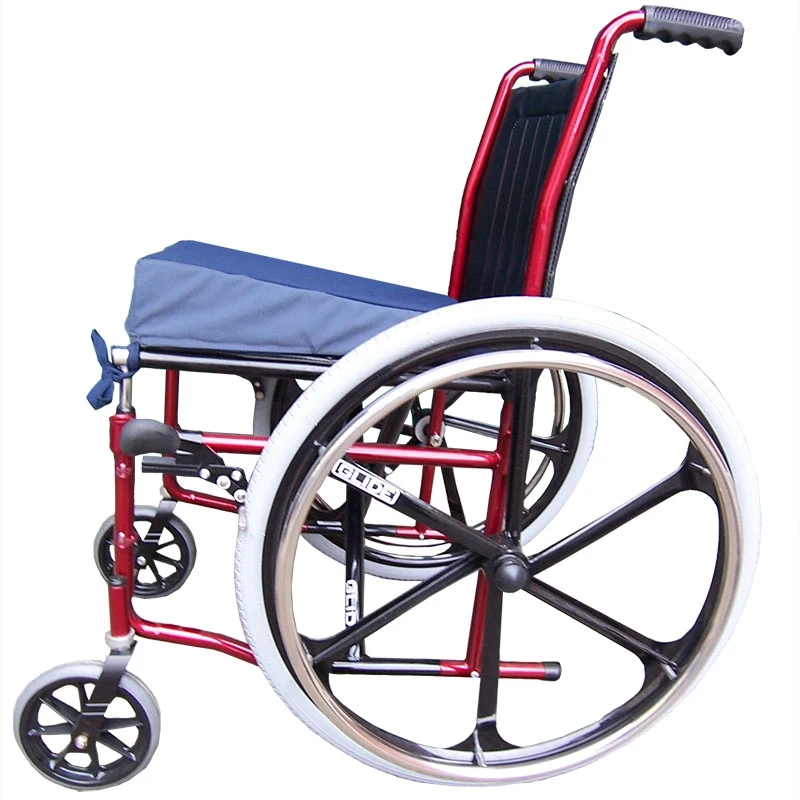
Living with limited mobility presents unique challenges, but having the right tools can make a significant difference in everyday life. From enhancing comfort and safety to promoting independence, selecting the right wheelchair supplies is a crucial step in improving the quality of life for individuals who use mobility aids. This article explores essential accessories and components that support smoother, safer, and more confident movement.
Understanding the Role of Wheelchair Supplies
Mobility aids are not just about transportation—they are an extension of the user’s lifestyle. Wheelchair supplies include a wide range of accessories and support items designed to adapt to personal needs, medical conditions, and environmental demands. These supplies cater to both manual and electric wheelchair users, and help in enhancing mobility, reducing fatigue, and preventing injuries.
Essential Wheelchair Supplies That Enhance Mobility
1. Cushions and Support Systems
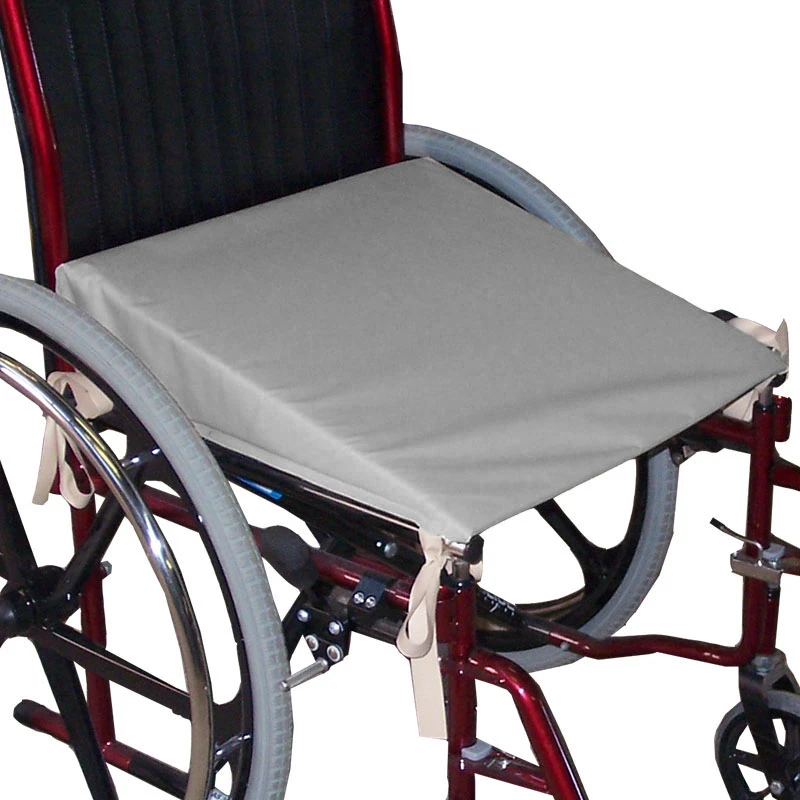
Pressure relief cushions are vital for preventing pressure sores and improving posture. Gel, air, and foam cushions each offer unique benefits depending on the user’s condition. Proper support can significantly affect how long someone can sit comfortably and safely in their wheelchair.
2. Wheelchair Ramps
While not part of the chair itself, ramps are indispensable for accessing buildings and navigating uneven terrain. Portable ramps allow for greater flexibility in travel and day-to-day outings.
3. Anti-Tip Devices
Safety is paramount when using a wheelchair. Anti-tip bars and wheels prevent the chair from tipping backward on slopes or during rapid movement, particularly when using powered wheelchairs.
4. Storage and Carrying Accessories
Backpacks, pouches, and trays designed specifically for wheelchairs ensure that users can carry personal belongings, medications, and essential items conveniently without compromising maneuverability.
5. Wheelchair Gloves and Hand Rims
Manual wheelchair users benefit greatly from padded gloves that protect hands and improve grip. Hand rims with ergonomic designs or textured coatings also reduce strain and provide better control during propulsion.
6. Wheel Locks and Brakes
Wheel locks are not just standard equipment—they’re essential safety tools. Upgraded locking systems and parking brakes provide better security when stationary, particularly on slopes or uneven surfaces.
The Connection Between Wheelchair Supplies and Independence
Independence is one of the key goals of any disability equipment. Users often rely on a combination of tools to perform daily activities with minimal assistance. For instance, tilt-in-space wheelchairs offer posture control, while transfer boards allow for easier movement between surfaces. Innovations in wheelchair supplies have transformed routine tasks such as cooking, personal hygiene, or even working at a desk, making them more accessible.
Choosing the Right Supplies for Your Needs
Every wheelchair user has unique needs, so customization is essential. When selecting accessories, it’s important to consider:
- Medical condition: Chronic pain, spinal injuries, or circulatory issues require different support systems.
- Environment: Indoor and outdoor needs vary; some supplies are built for rugged terrain, others for compact spaces.
- Daily routine: Supplies should complement the user’s lifestyle—whether they’re active and on-the-go or require long hours of seated comfort.
Consulting with an occupational therapist or mobility specialist is highly recommended to ensure compatibility and effectiveness.
FAQs About Wheelchair Supplies
Q1: Are wheelchair supplies universal or do they vary by wheelchair model?
Most accessories are designed to be compatible with a wide range of wheelchairs, but some—like armrest trays or head supports—might need to match specific dimensions. Always check compatibility before purchase.
Q2: What’s the most important wheelchair accessory for someone new to using a wheelchair?
A proper seat cushion is usually the most crucial. It helps with posture, comfort, and prevention of pressure injuries, especially for extended use.
Q3: How do I maintain and clean wheelchair supplies?
Many accessories come with removable, washable covers. For items like gloves or storage pouches, follow manufacturer cleaning instructions. Regular maintenance prolongs usability and hygiene.
Q4: Is it better to buy wheelchair supplies online or from a local provider?
Both options have their advantages. Online retailers offer variety and convenience, while local providers may provide fitting services and personalized support.
Conclusion
Adapting to mobility challenges involves more than just the wheelchair itself—it’s about building a support system through the right accessories. Wheelchair supplies play a central role in boosting daily mobility, enhancing independence, and ensuring comfort and safety. With thoughtful selection and proper use, these tools empower users to live more freely and confidently.
Whether navigating a busy city, working from home, or enjoying outdoor activities, the right disability equipment can bridge the gap between limitations and possibilities. Investing in suitable wheelchair supplies is not just about function—it’s about enabling fuller participation in life.